
Should I Get a Film Photographer for My Wedding?
Short answer? Yes! Long answer? Let’s talk about it.
First — What Even Is Film
When we say “film,” we’re talking about shooting on physical rolls of light-sensitive material — not a memory card. Every frame is a literal chemical reaction to light. It only happens once. It can’t be duplicated. It can’t be endlessly tweaked.
Why does film mean so much to me? Well I’ve been shooting film since I was 12.
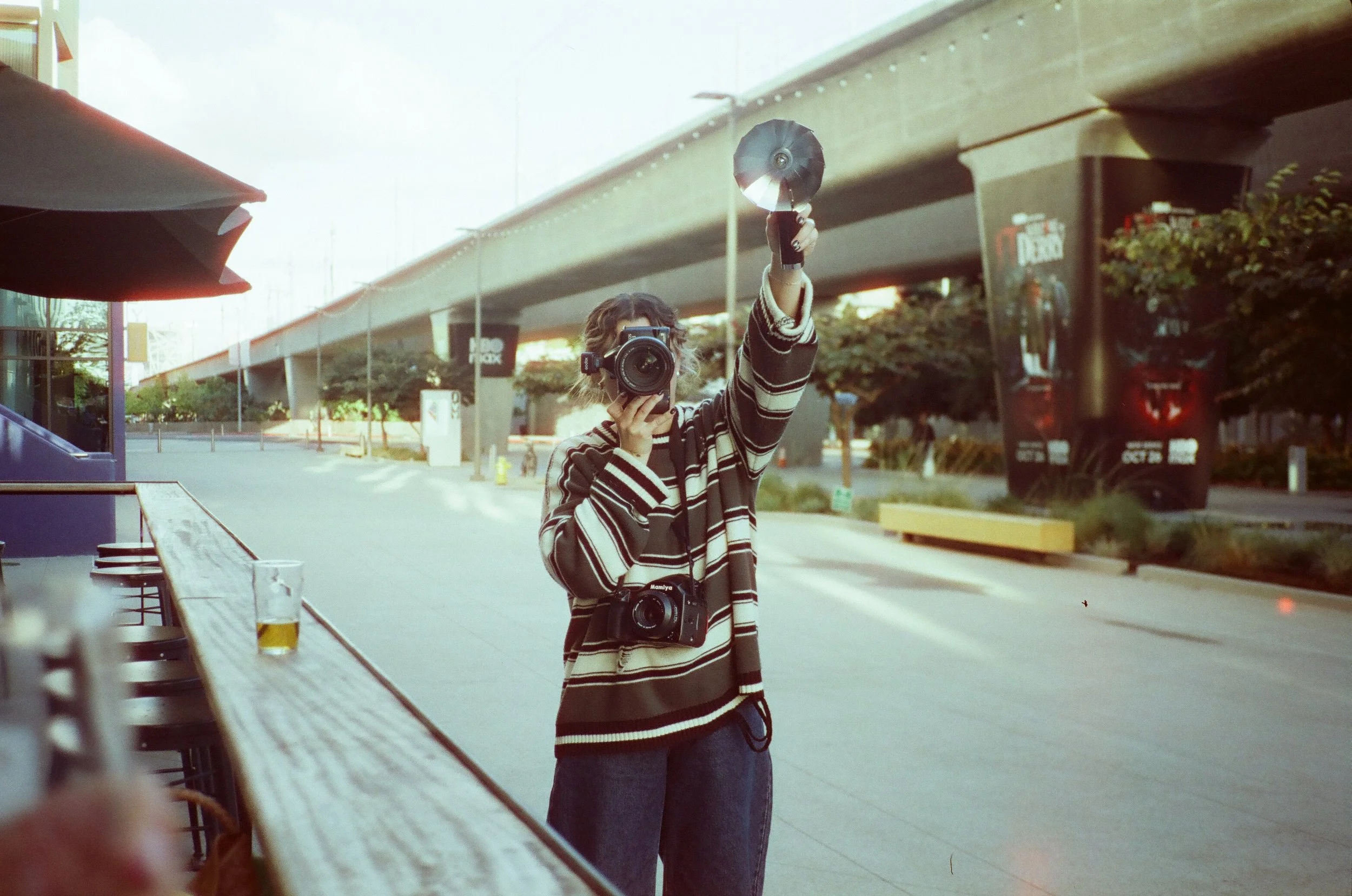
me + my babies
After my grandpa passed, I found his 1966 Minolta SR-T 101 tucked away. Holding that camera felt like holding a piece of him. Through high school and beyond, I was always the friend documenting everything — family travels, surf trips, late-night bonfires, the couples I grew up with falling in love.
And when my best friends started getting married, something clicked.
Watching them walk down the aisle, knowing I had the ability to preserve those moments the same way old family albums preserved my grandparents’ lives — it felt sacred. That’s when I realized this wasn’t just a hobby. It was the thing for me.
My first wedding was shot entirely on film! Film isn’t just an aesthetic choice in my business. It’s my origin story. It’s how I learned to see. It’s how I learned to slow down. It’s how I learned that moments are fragile and worth protecting.
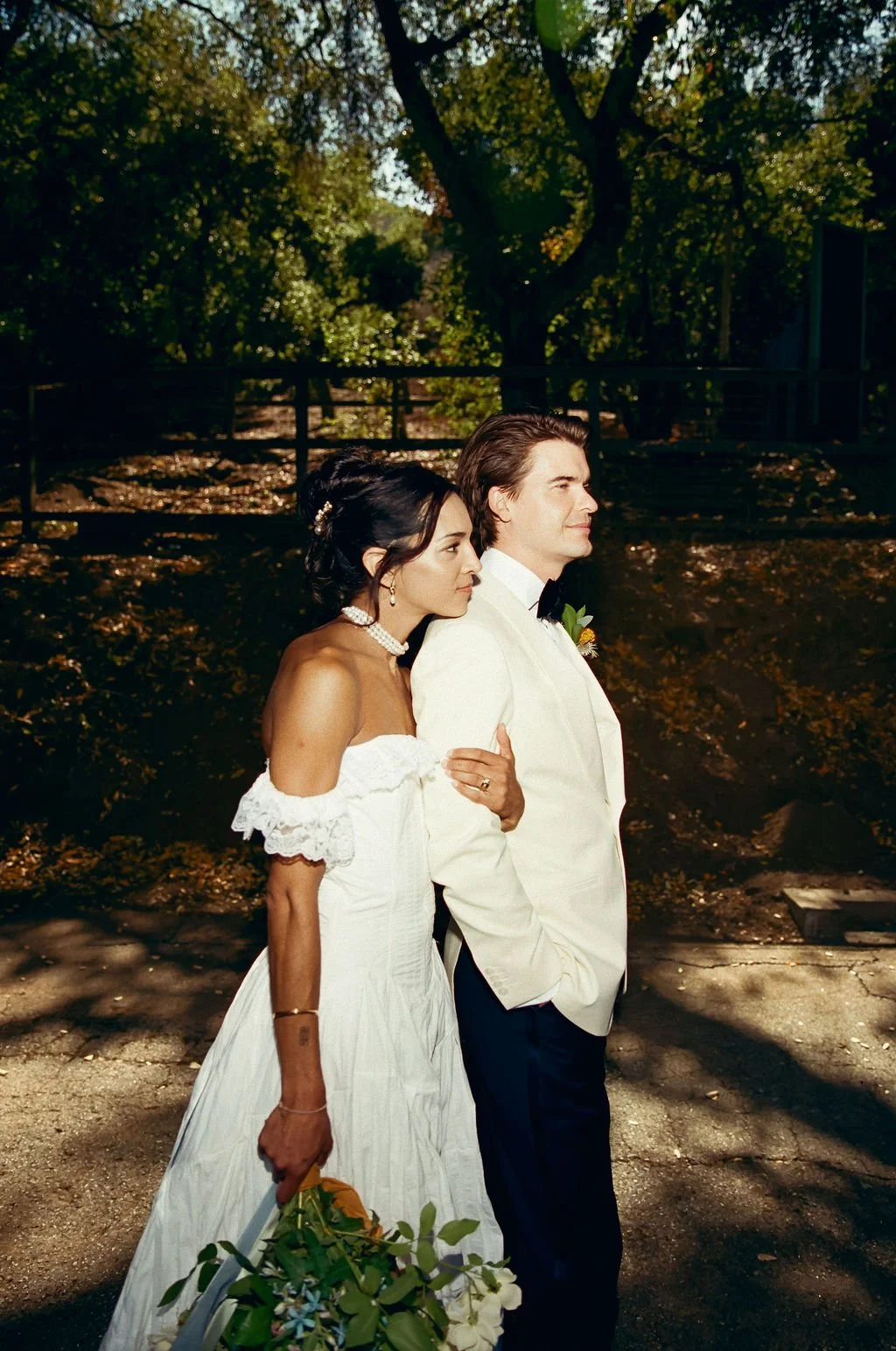
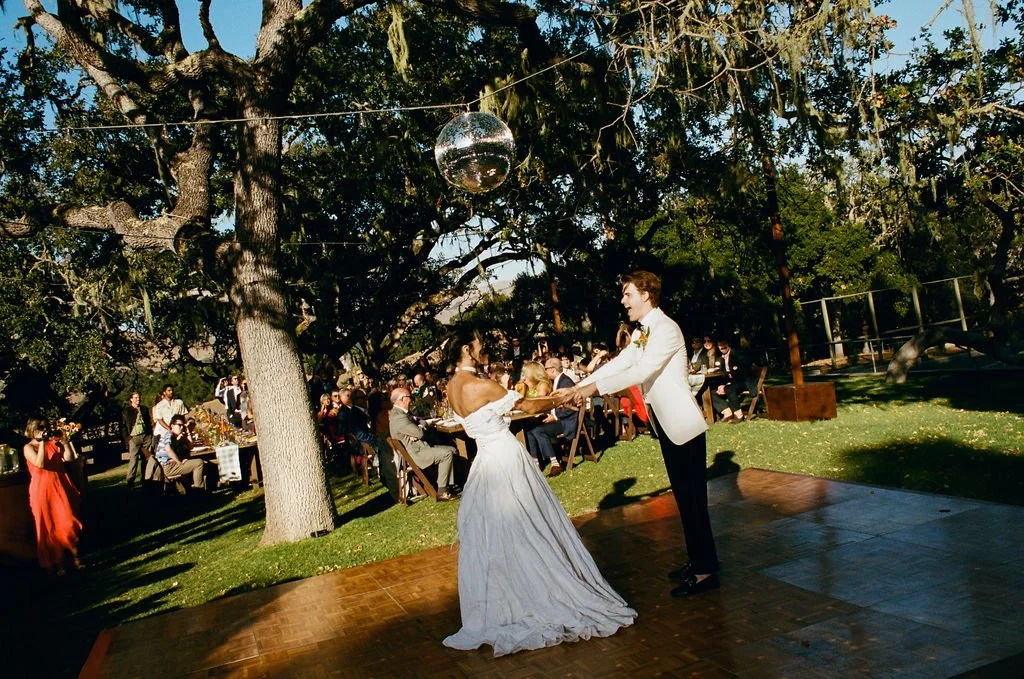
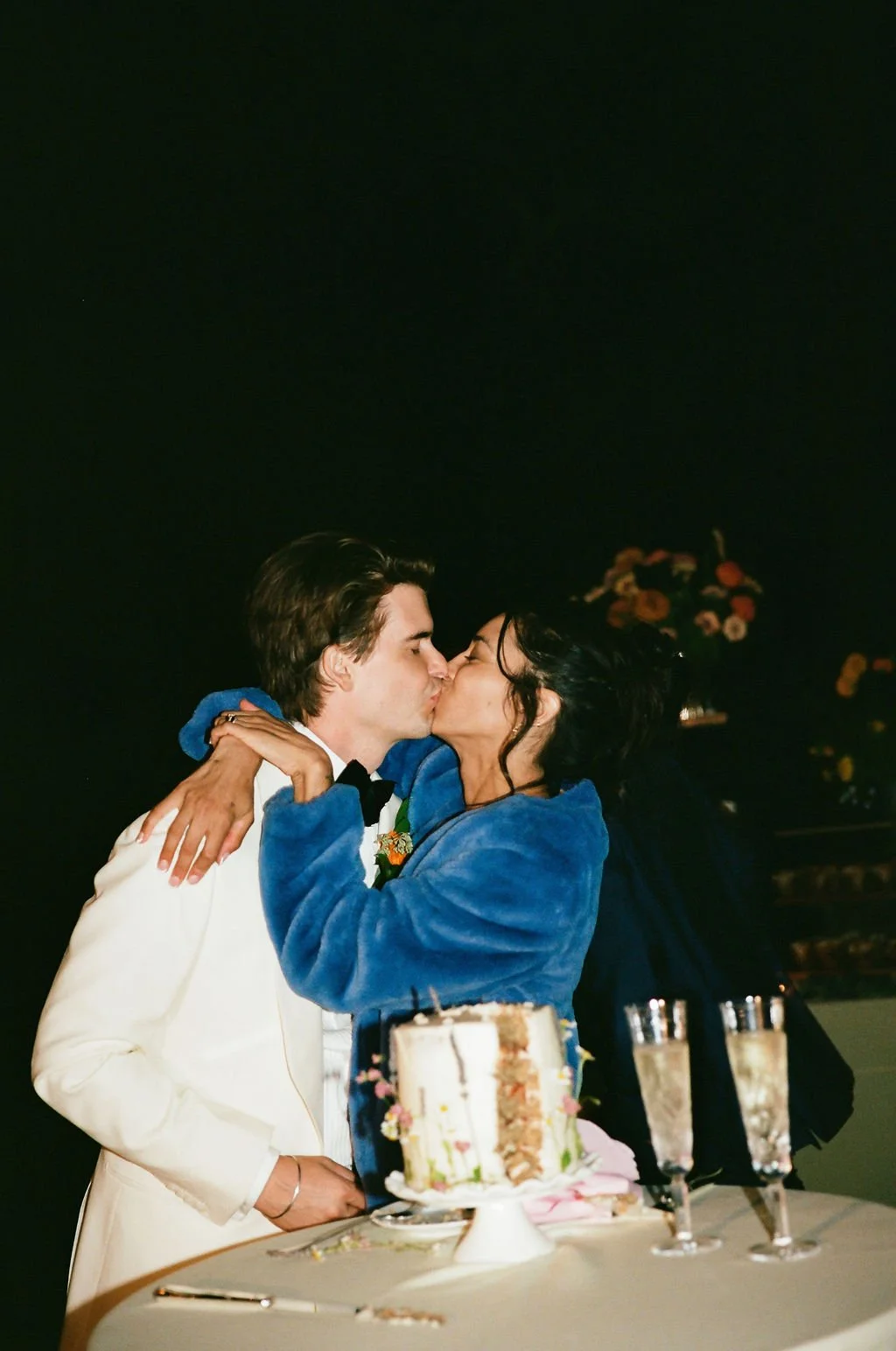
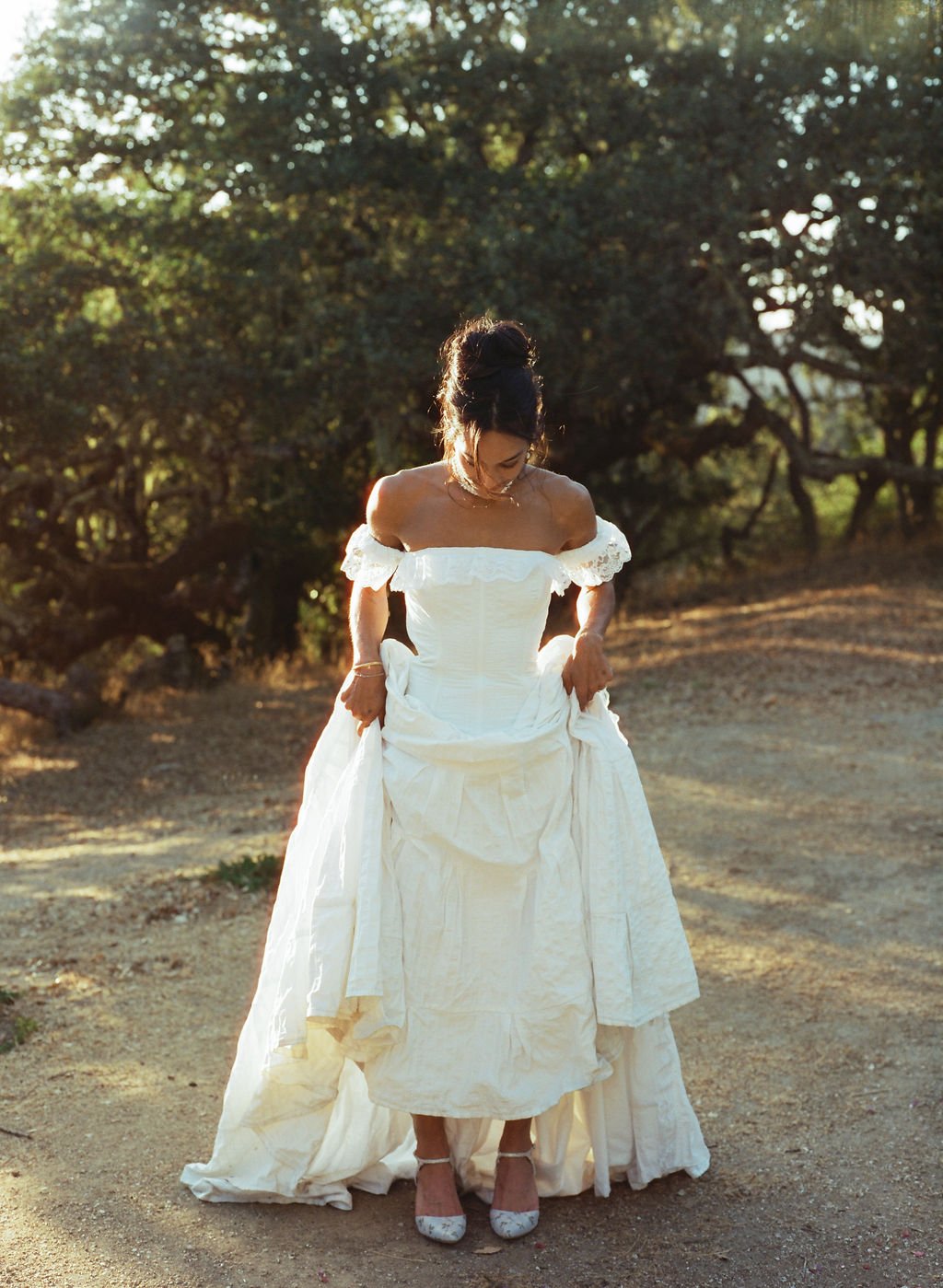
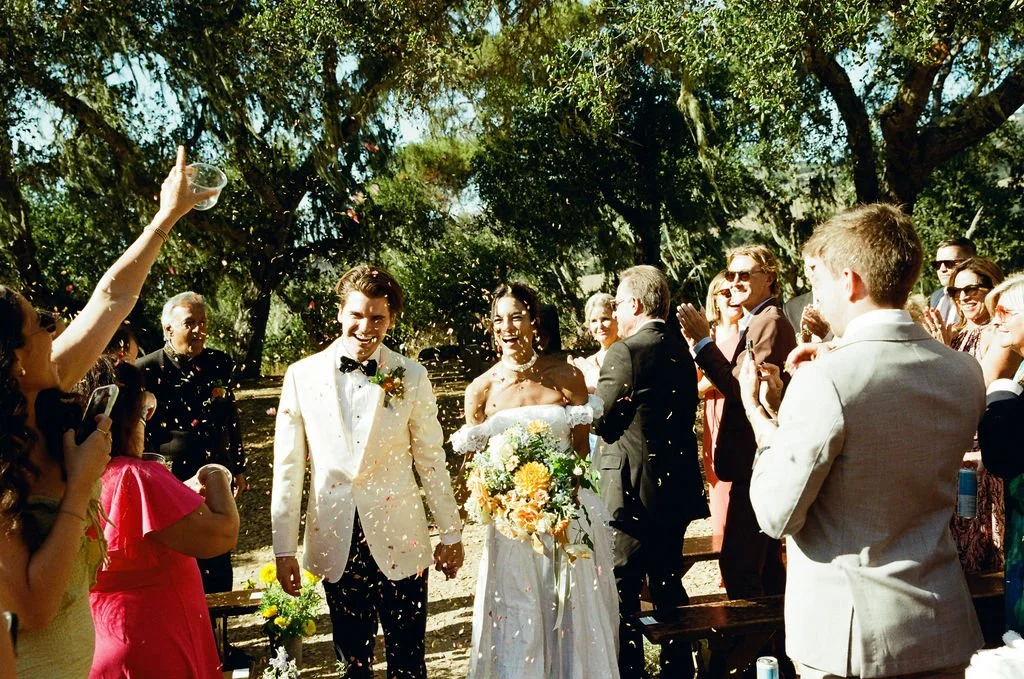
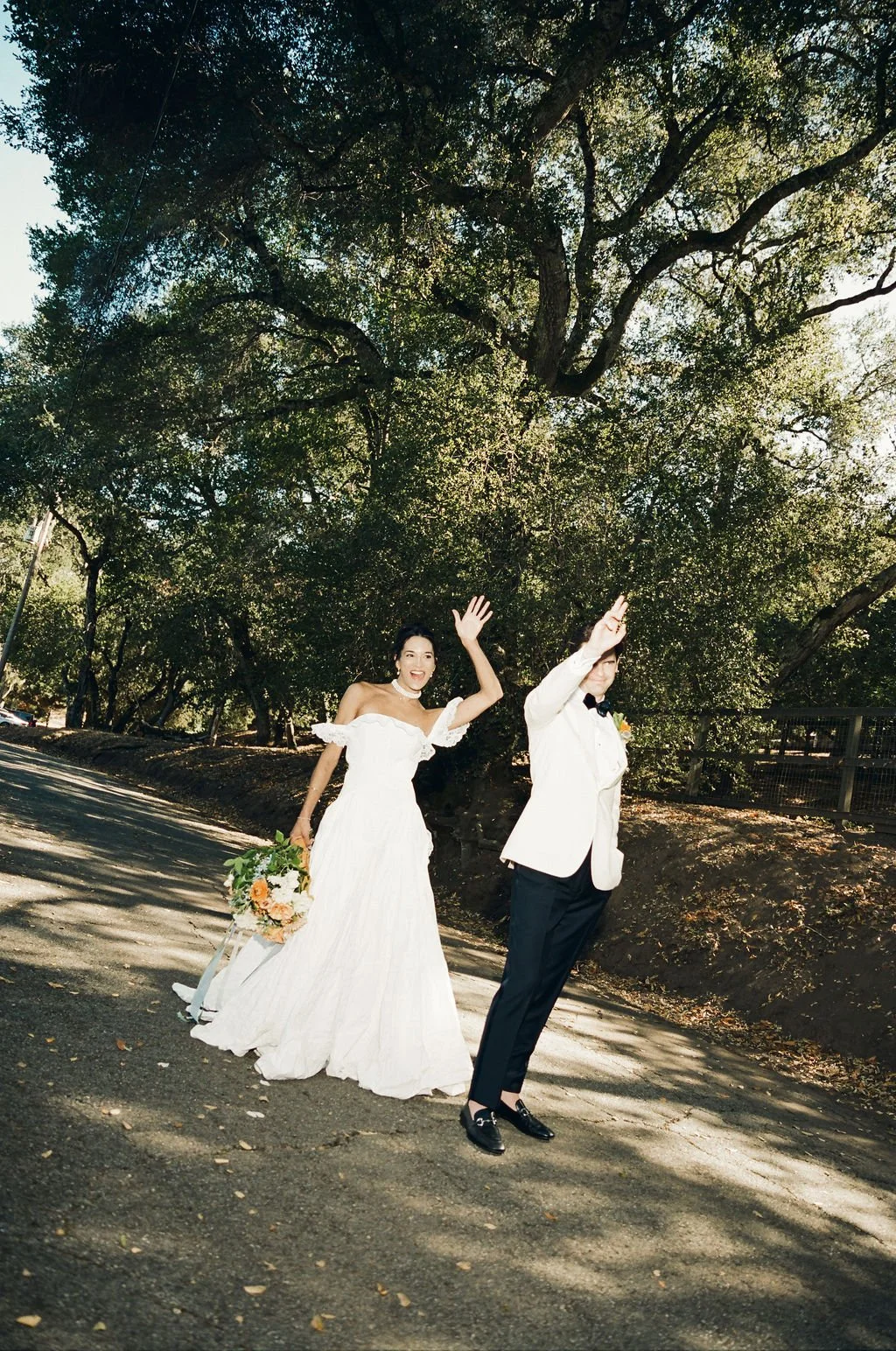
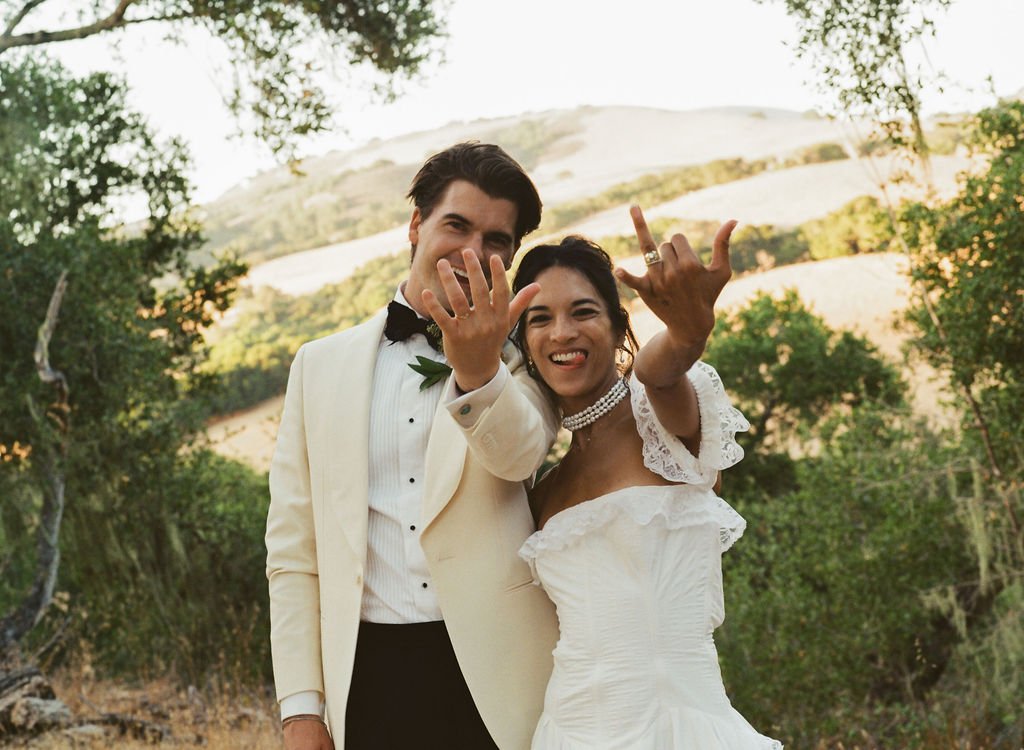
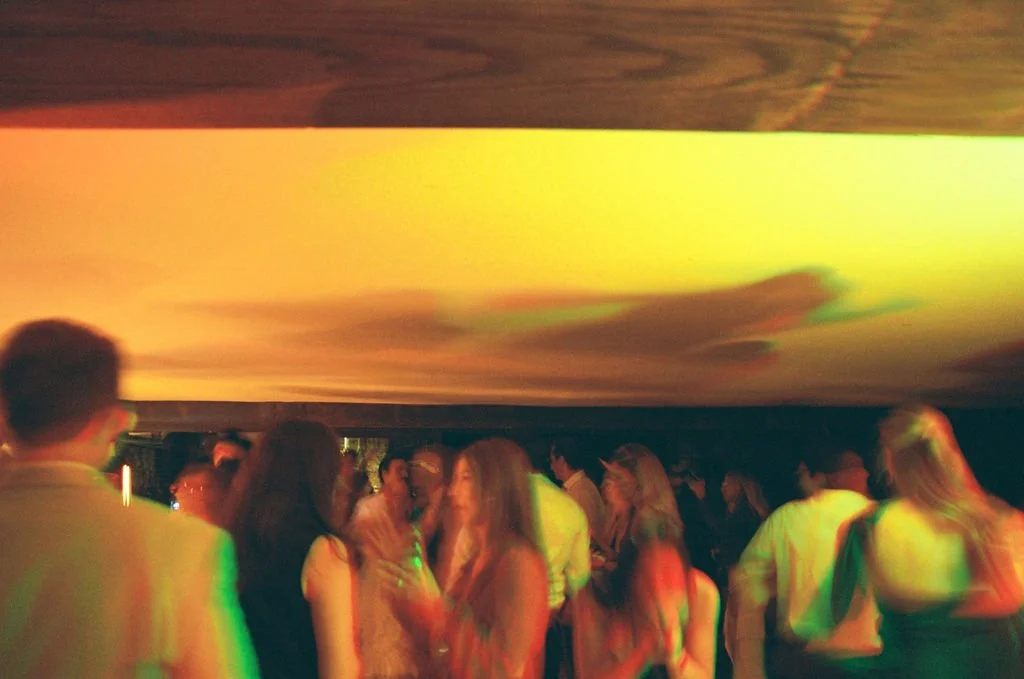
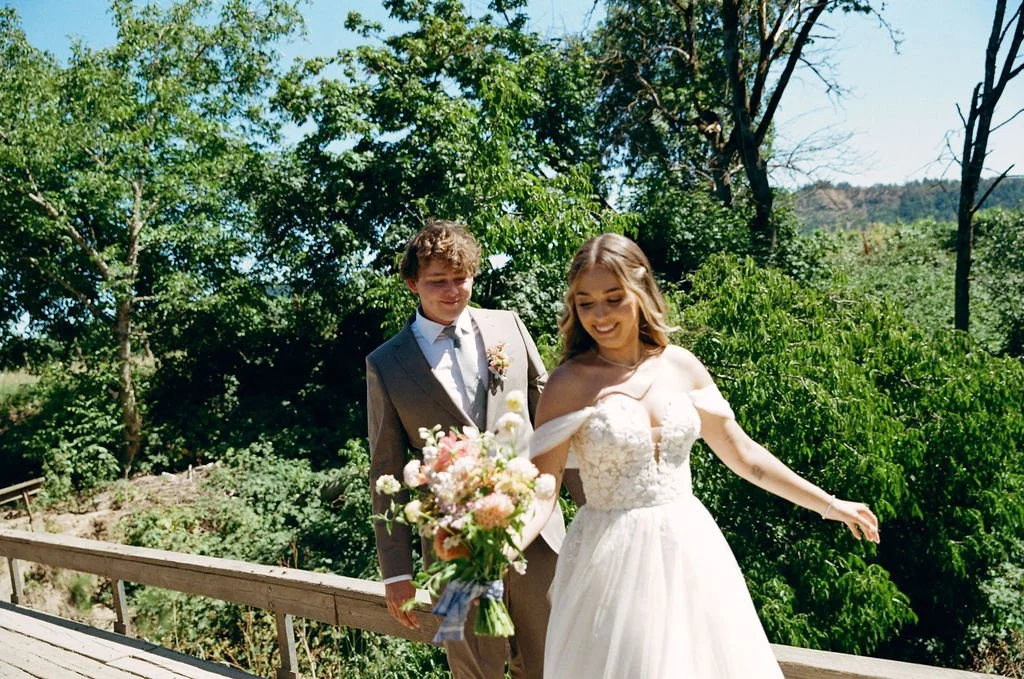
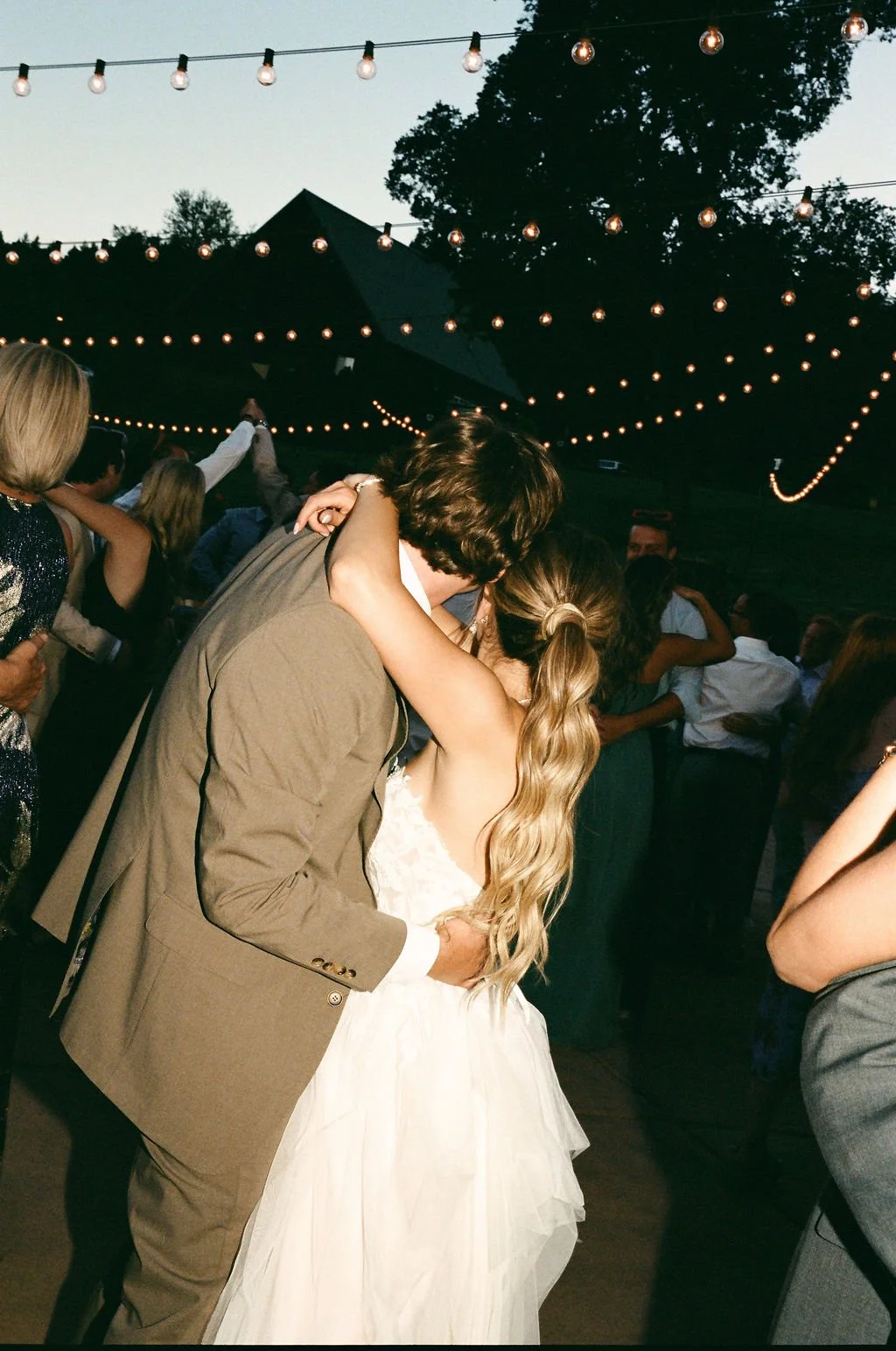
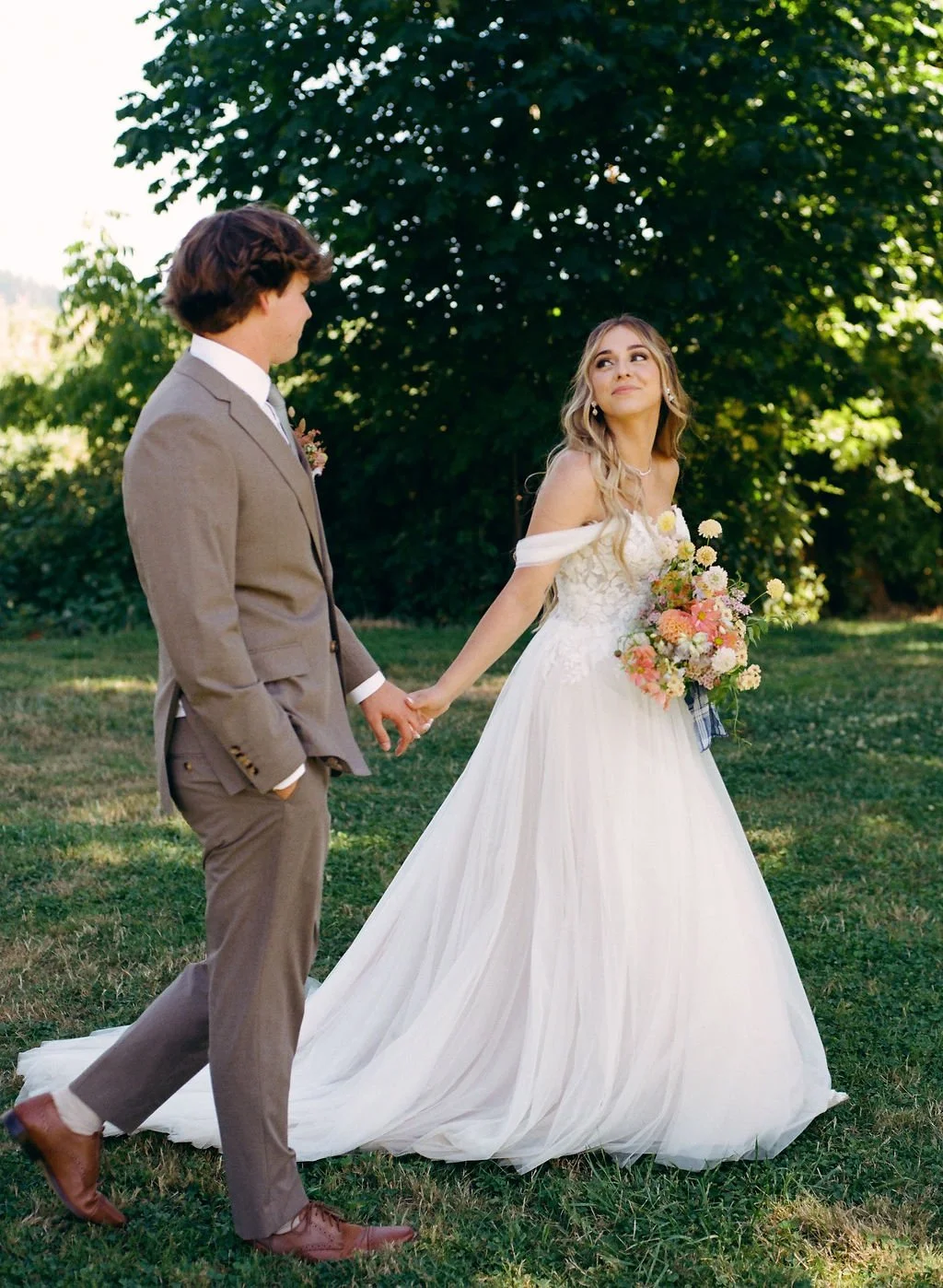
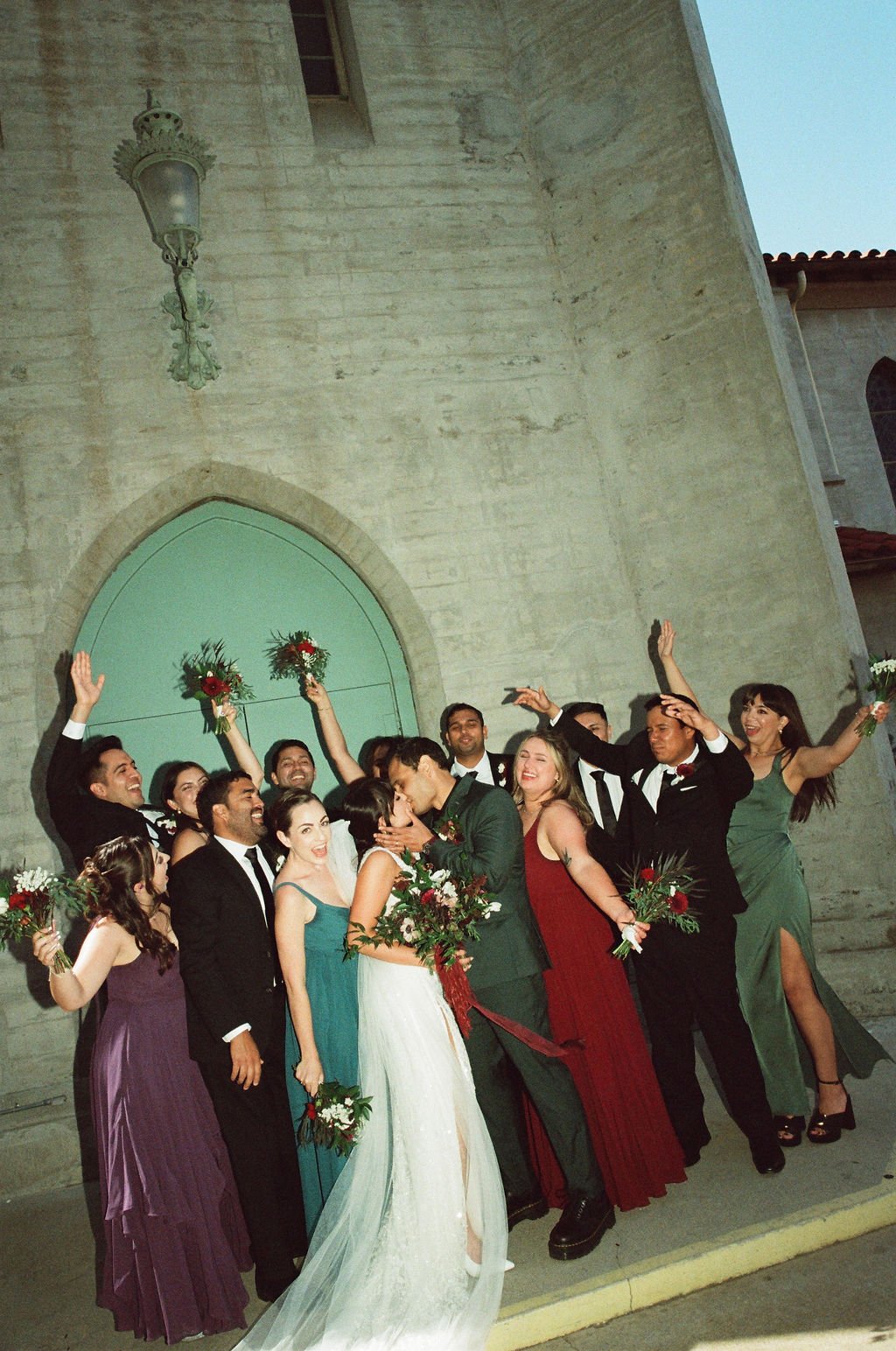
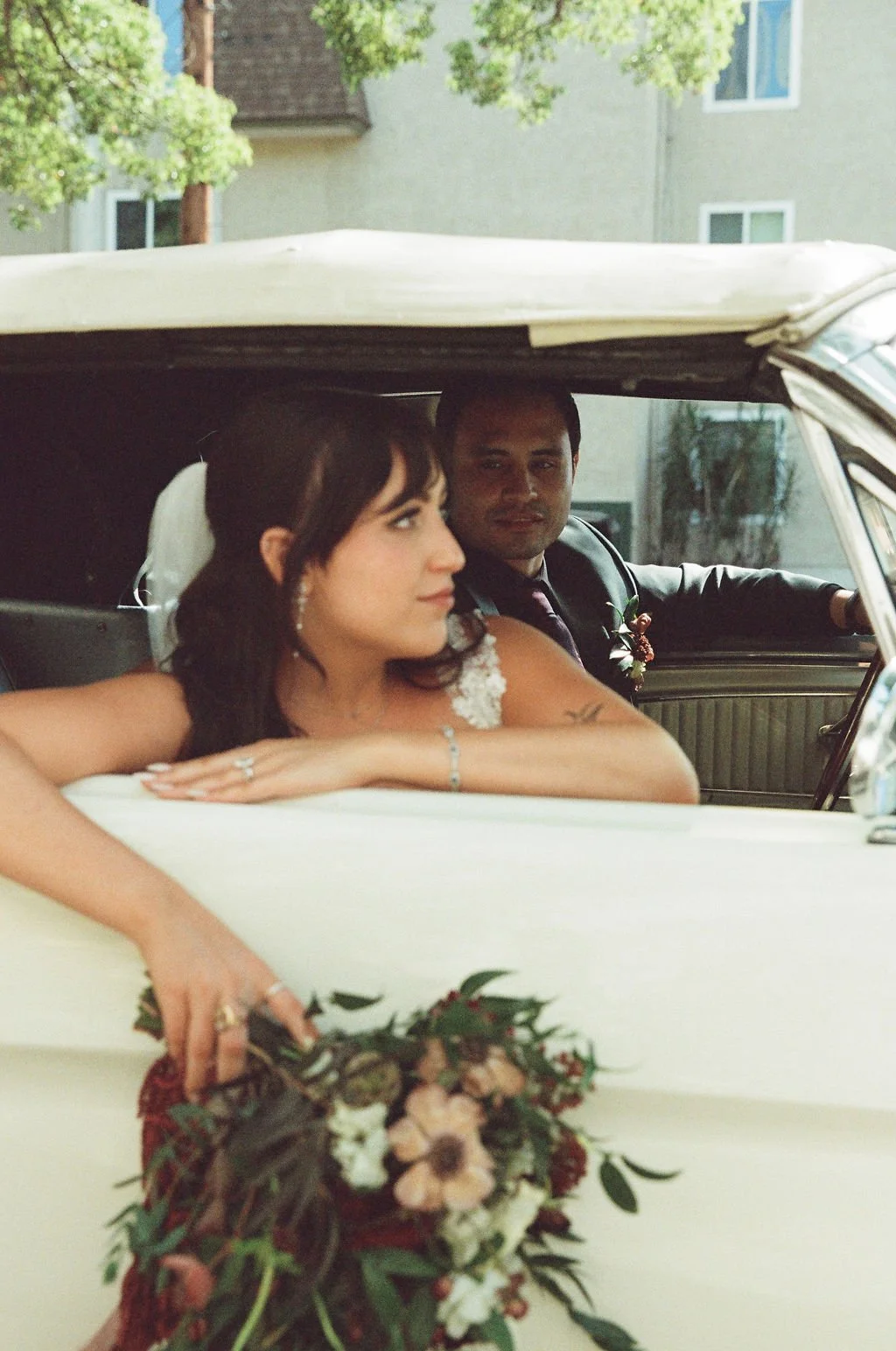
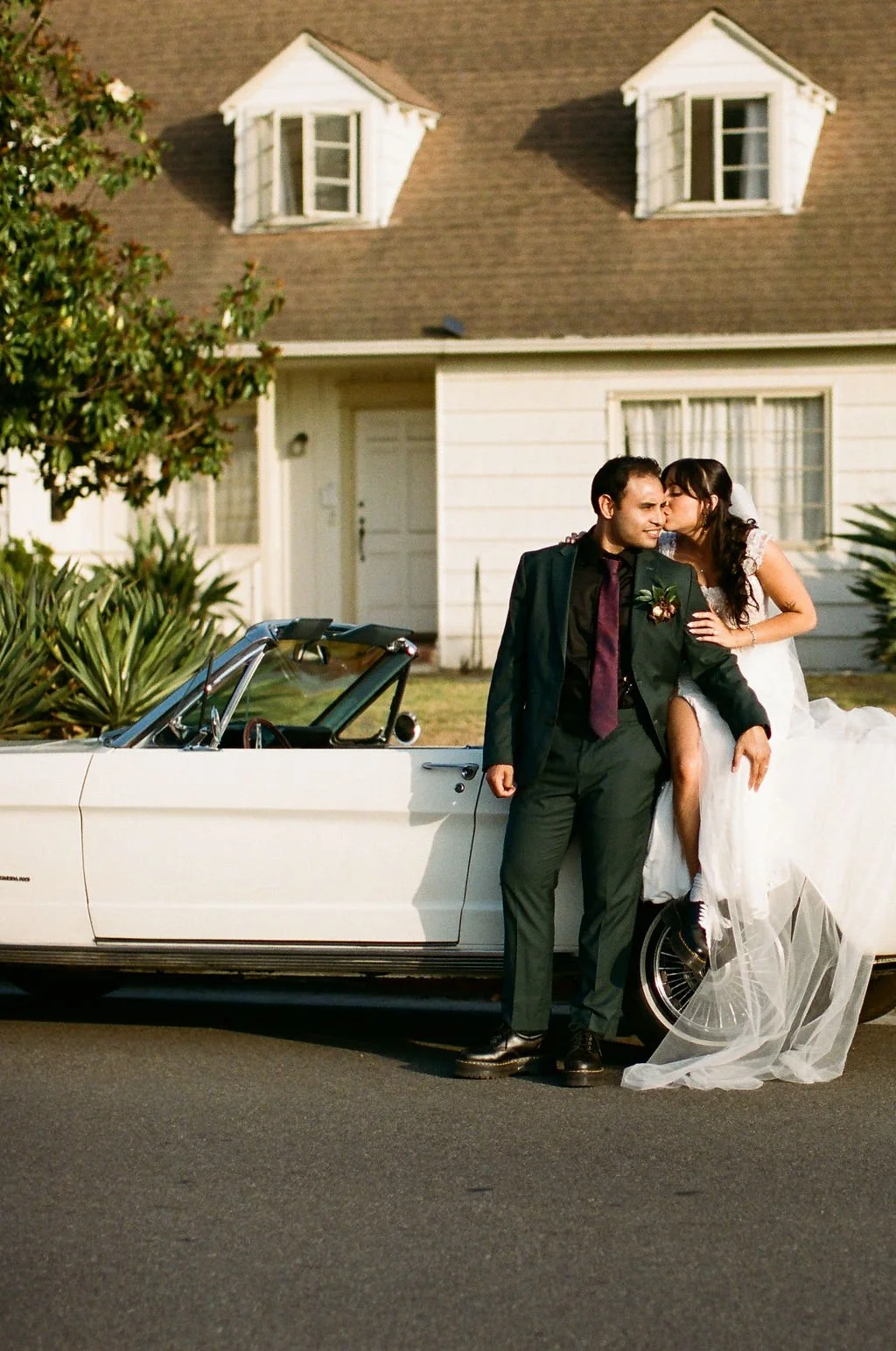
There are two primary formats most wedding photographers use:
35mm Film
This is the OG. The format that legends like Ansel Adams didn’t just experiment with — they defended.
At a time when 35mm wasn’t always taken seriously in fine art photography, Adams advocated for it as a legitimate, powerful tool. In his writings, he emphasized that 35mm was fully capable of producing exhibition-quality enlargements when handled with care and intention. He believed the small format demanded precision — that it required the photographer to be even more disciplined about exposure, composition, and timing.
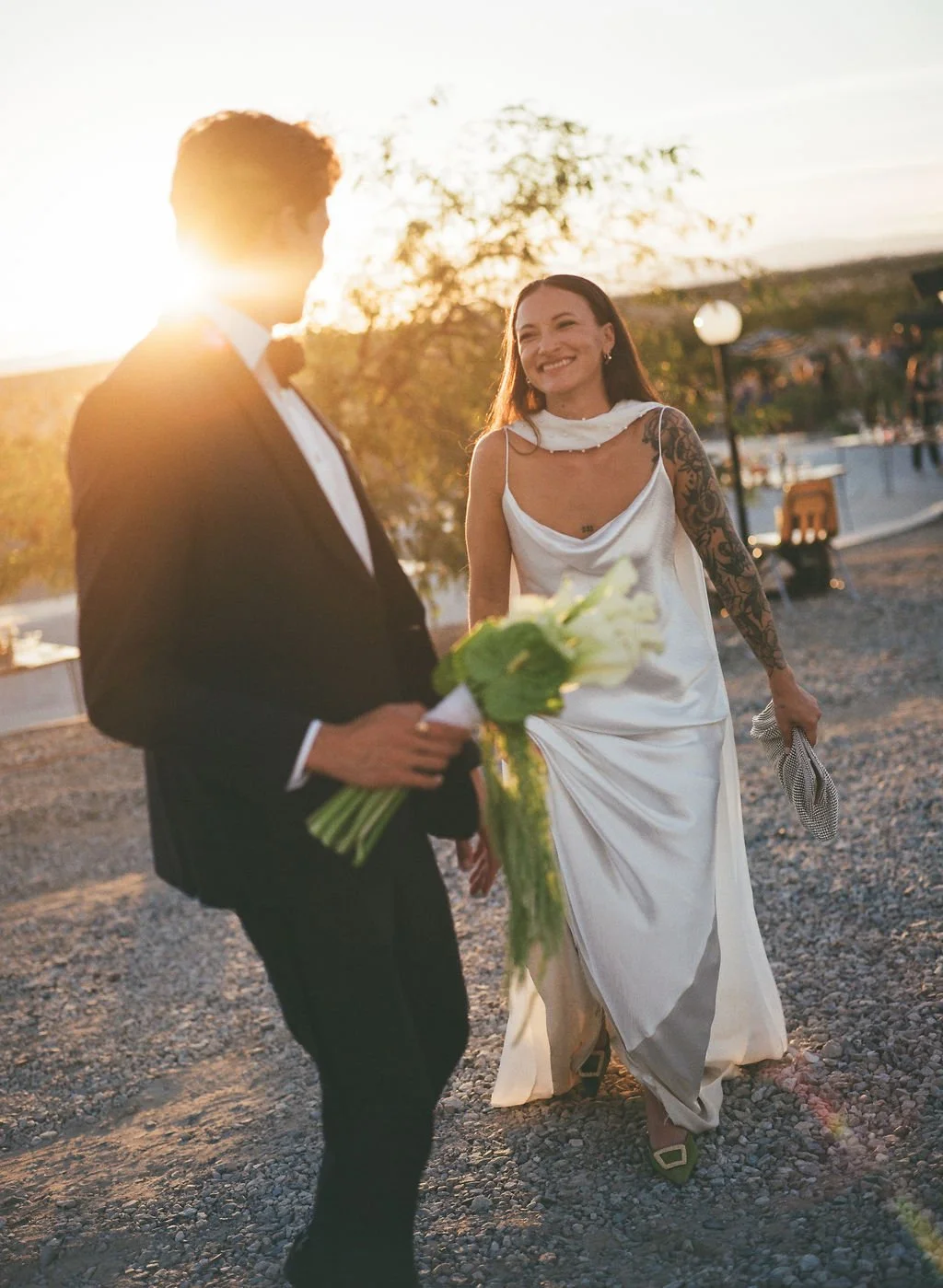
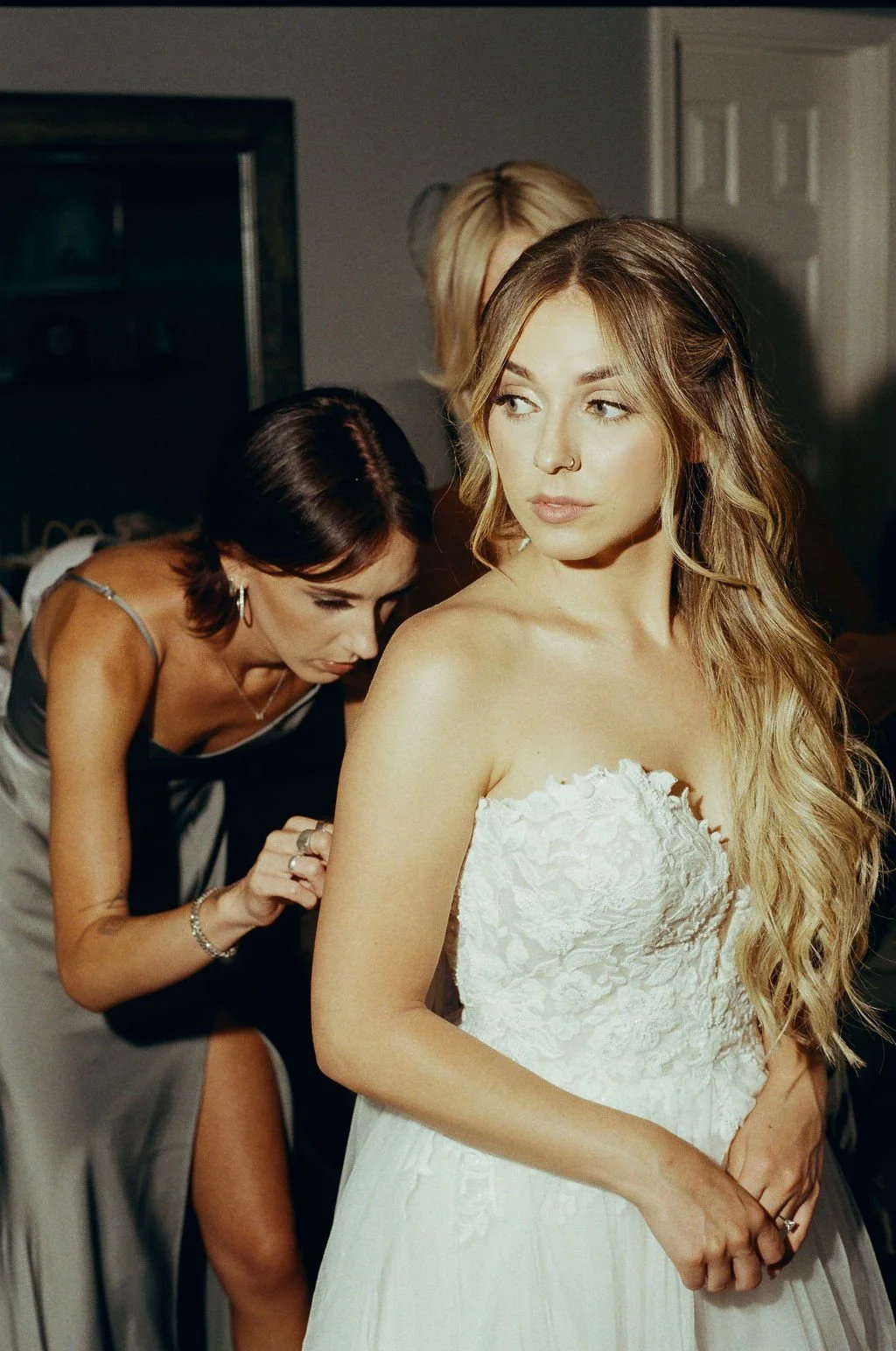
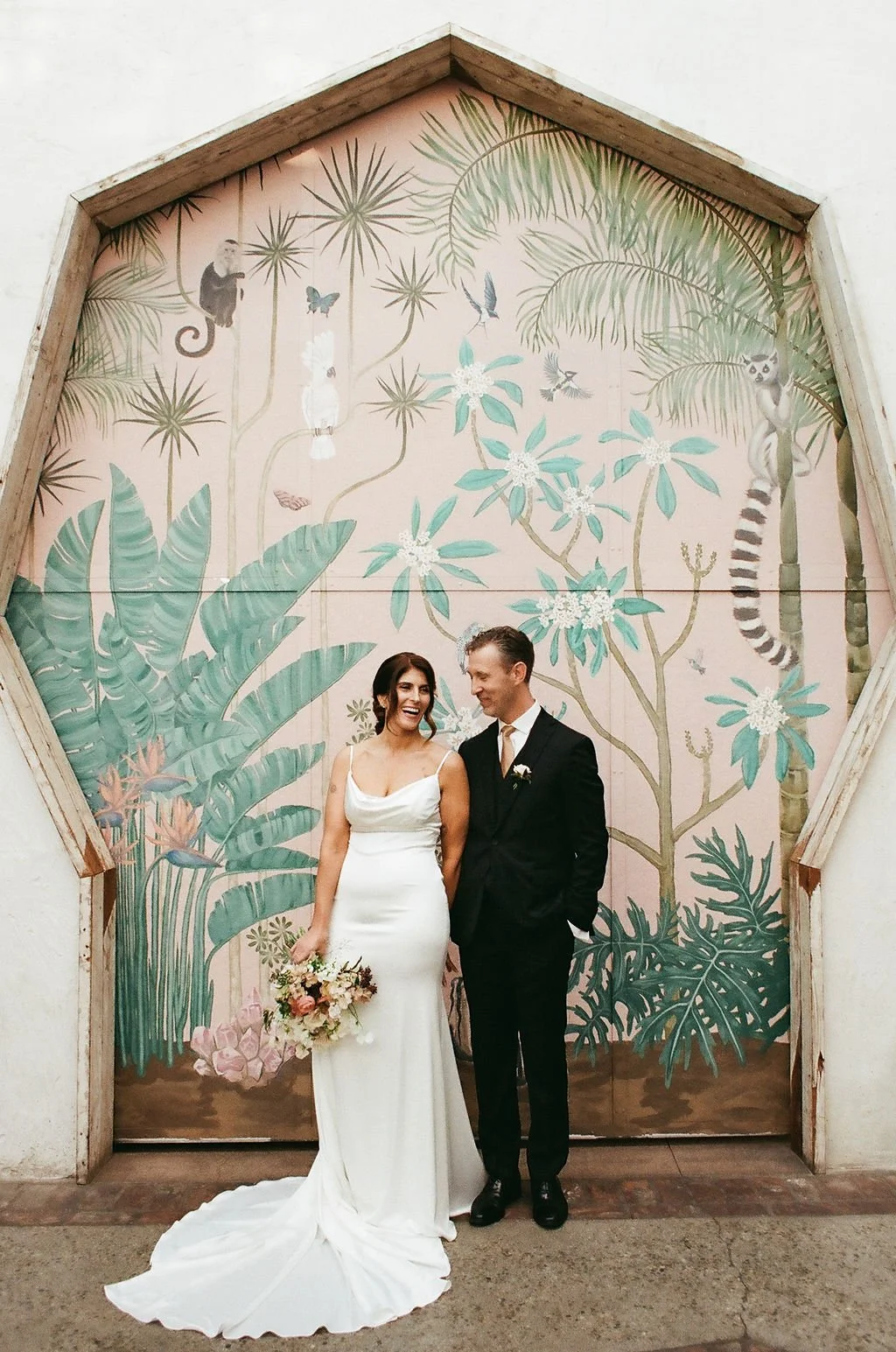
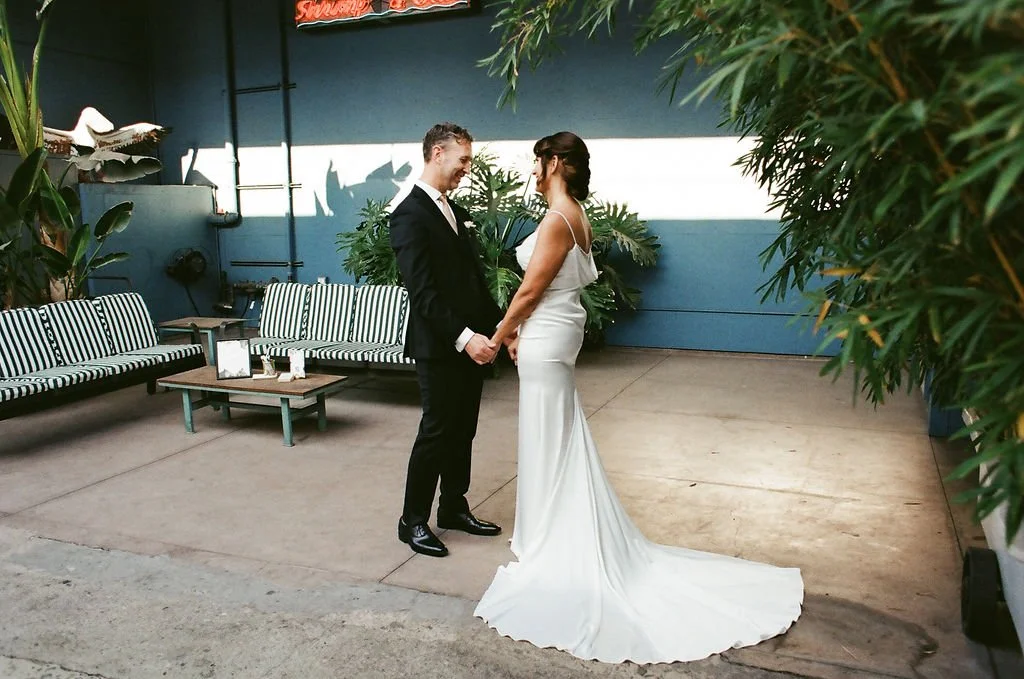
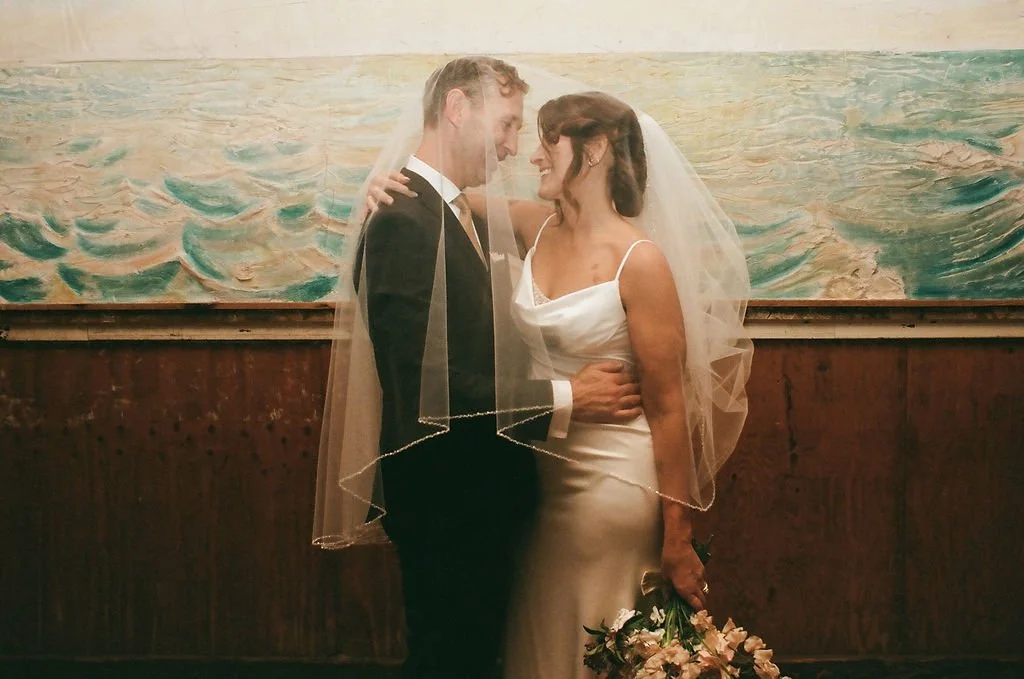
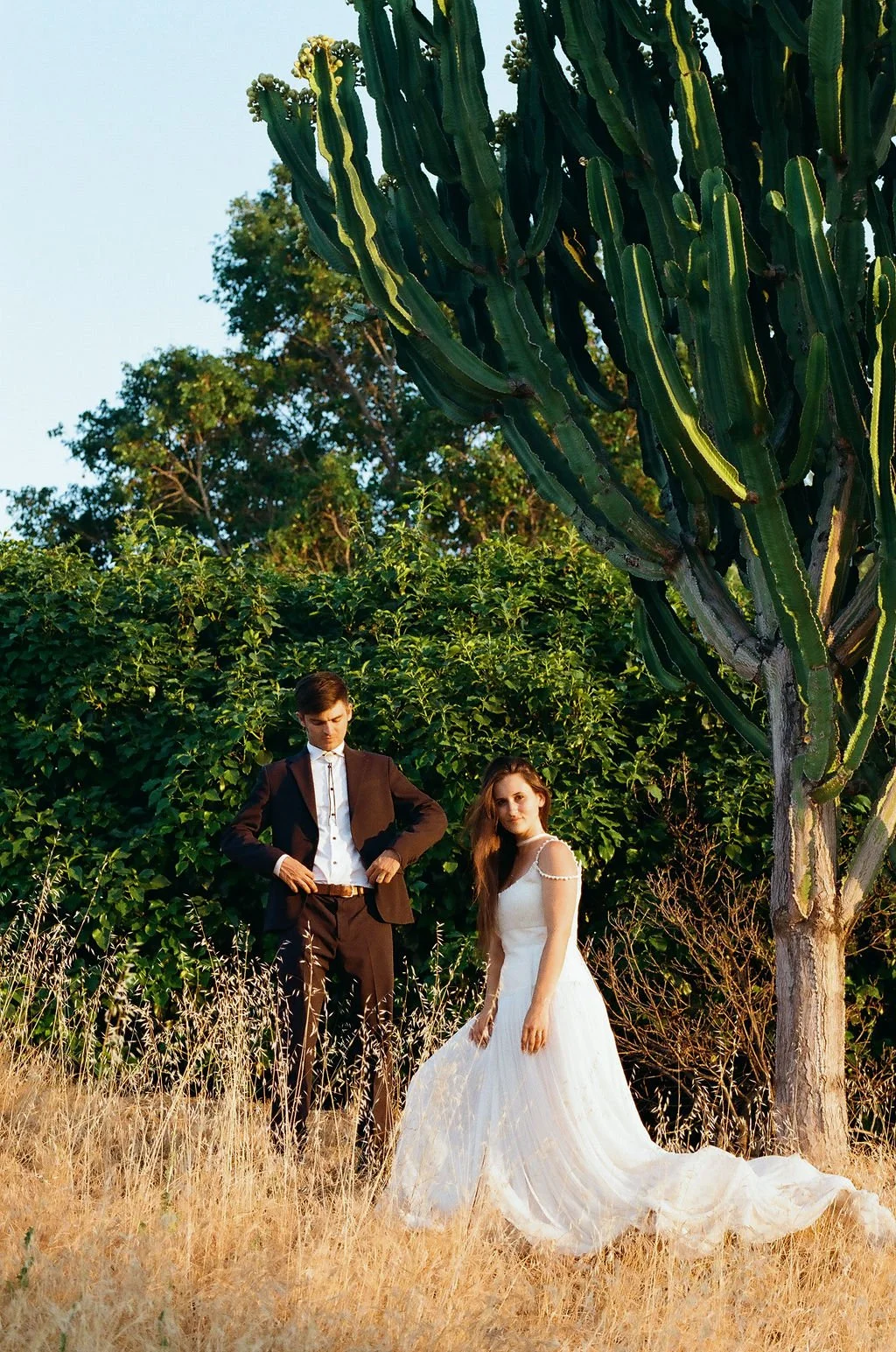
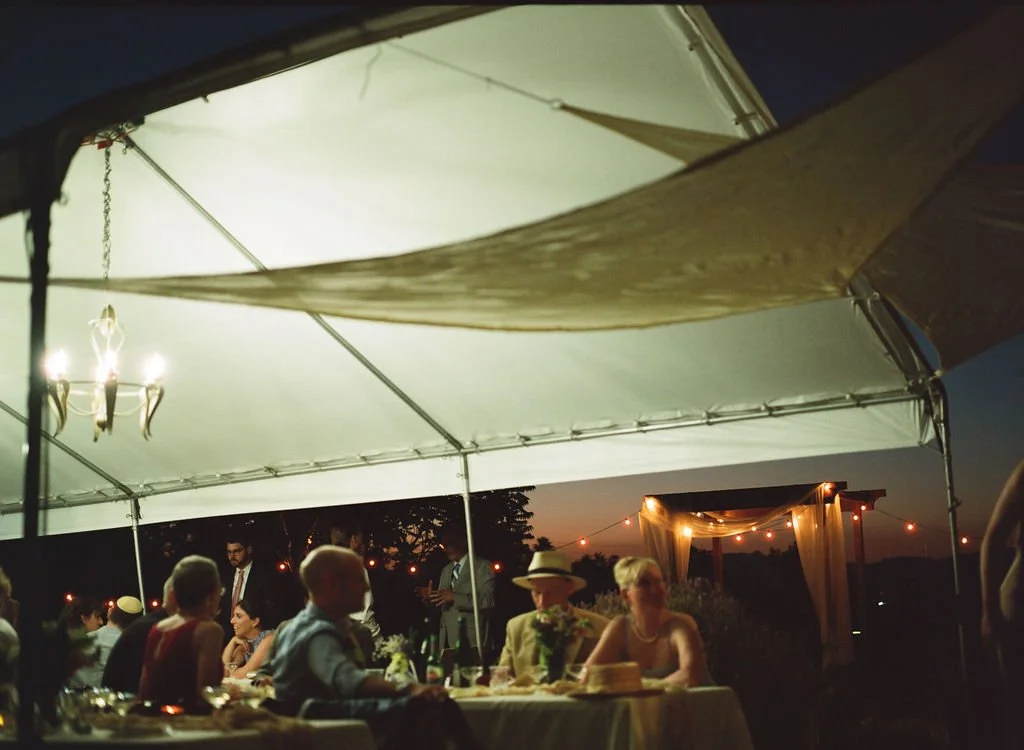
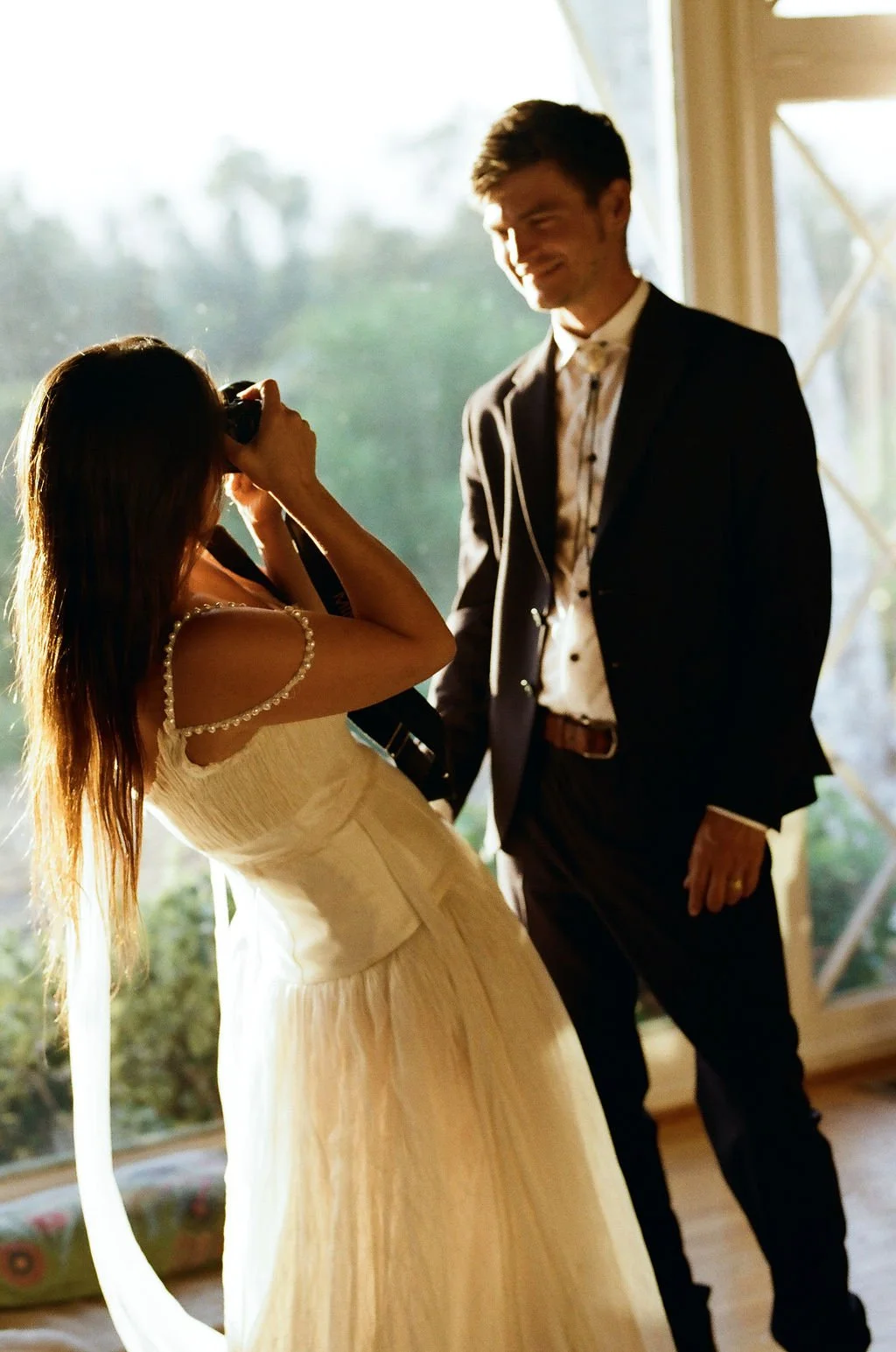
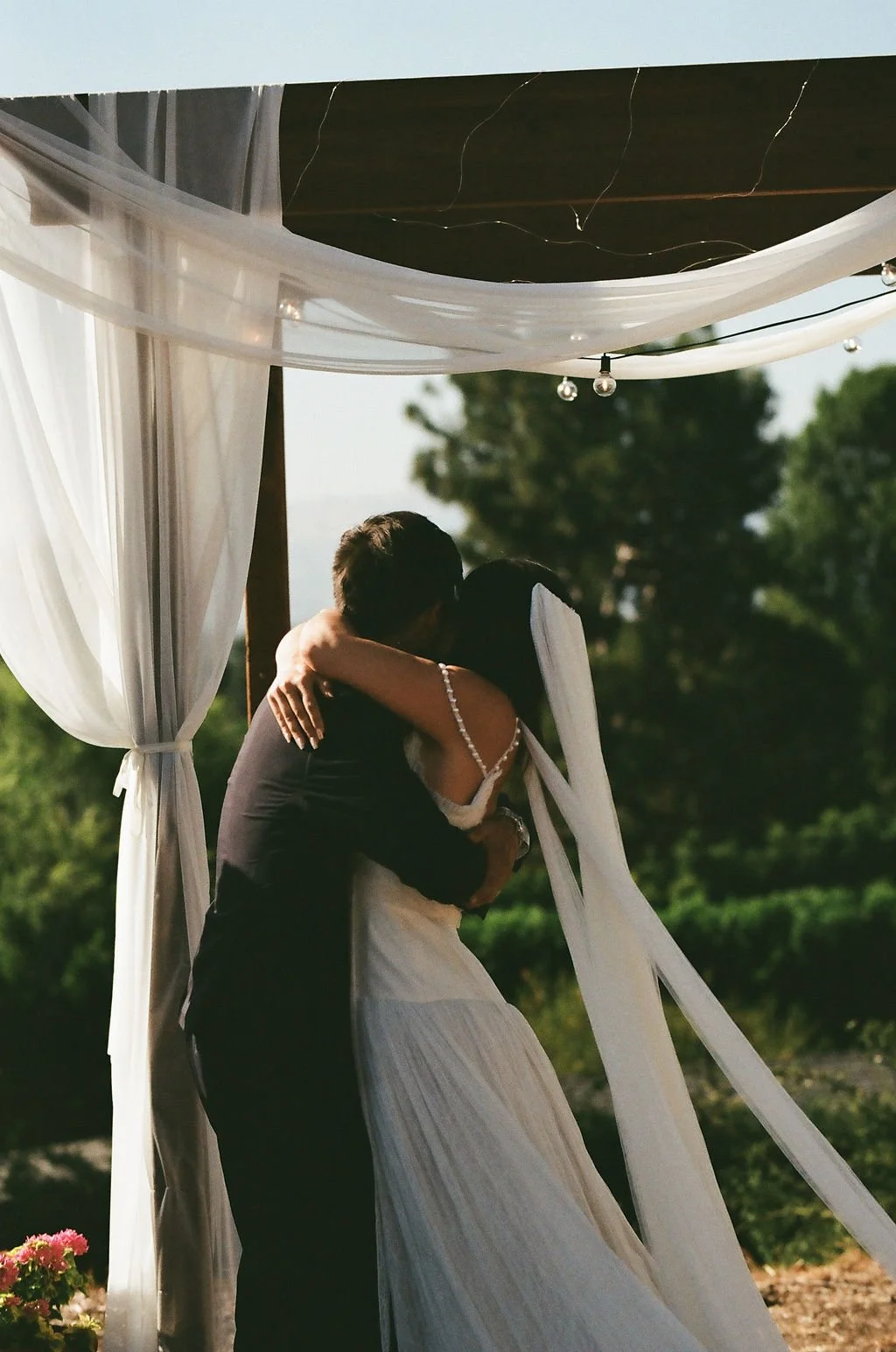
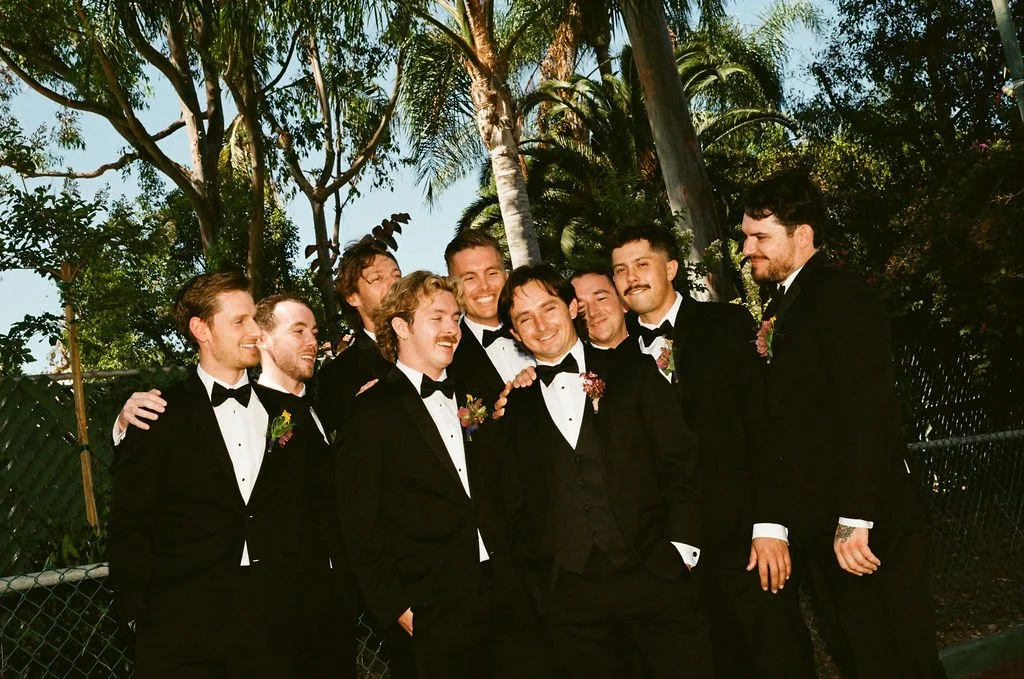
35mm is versatile, documentary-leaning, and has that raw, journalistic heartbeat. It’s quick. It moves with you. It lets you lean into instinct. Think: movement, grain, imperfect edges, moments that feel like they slipped through your fingers.
35mm teaches you to be intentional. To see light clearly. To commit.
It’s not about sterile perfection. It’s about awareness.
It’s about timing.
It’s about knowing where to stand — and trusting yourself when you get there.
And that’s why it still matters.
120 Film (Medium Format)
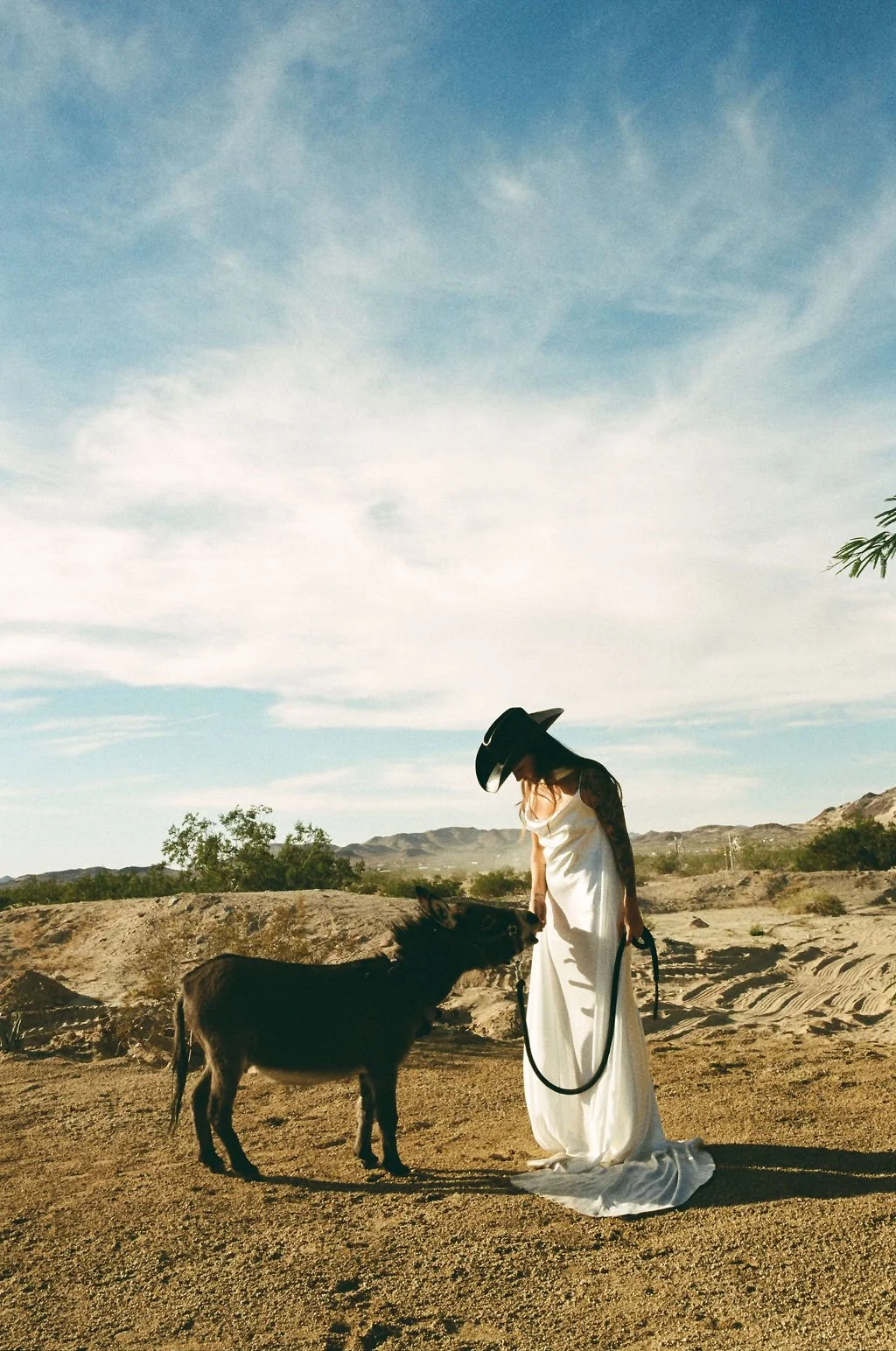
This is the larger negative. Bigger image. Higher resolution. A little more elevated. A little more luxury.
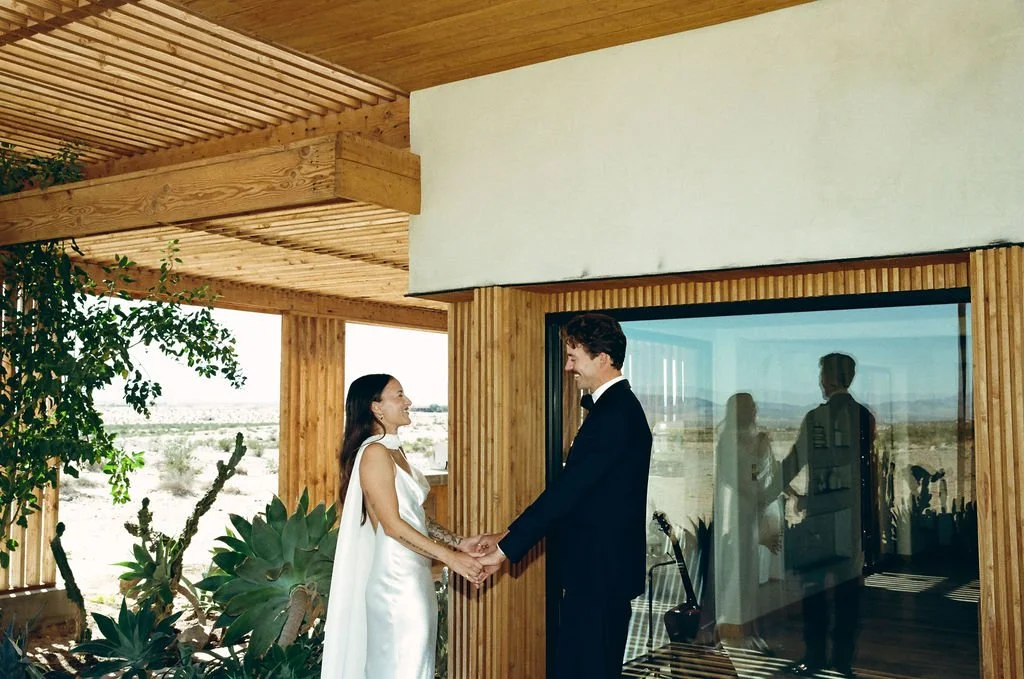
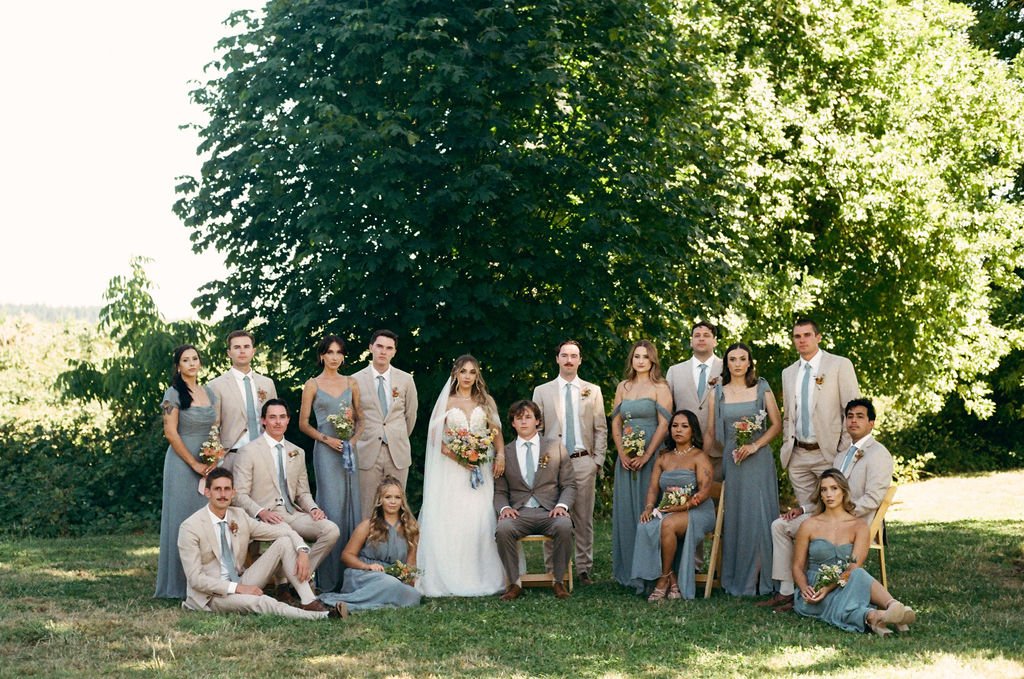
Because the negative is physically bigger, there’s more depth — highlights glow, shadows hold detail, and everything feels richer and more dimensional. Portraits on 120 have this quiet presence. They feel intentional. Slower. Creamy and timeless, but still alive.
But it’s not just refined — it’s versatile.
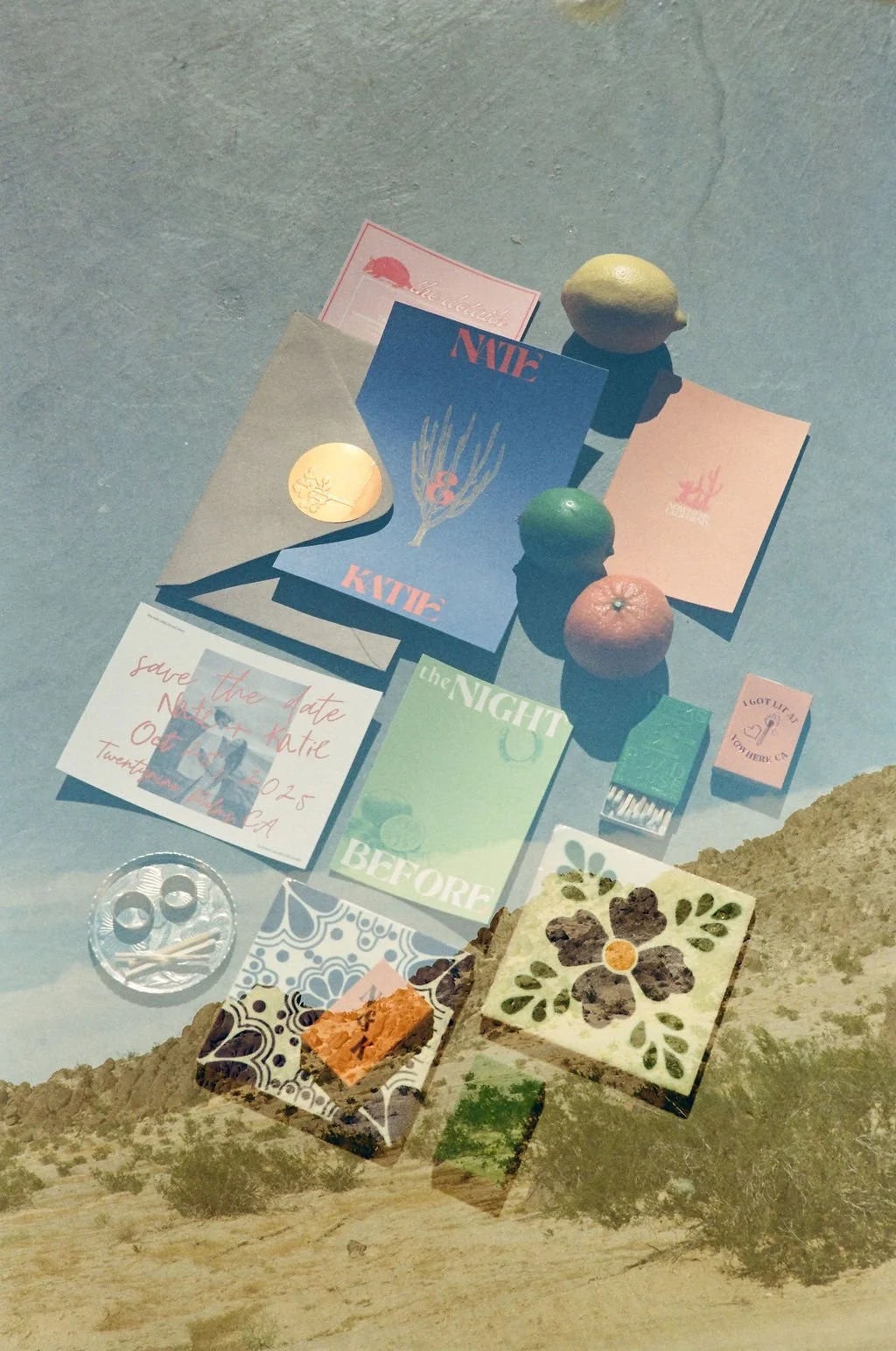
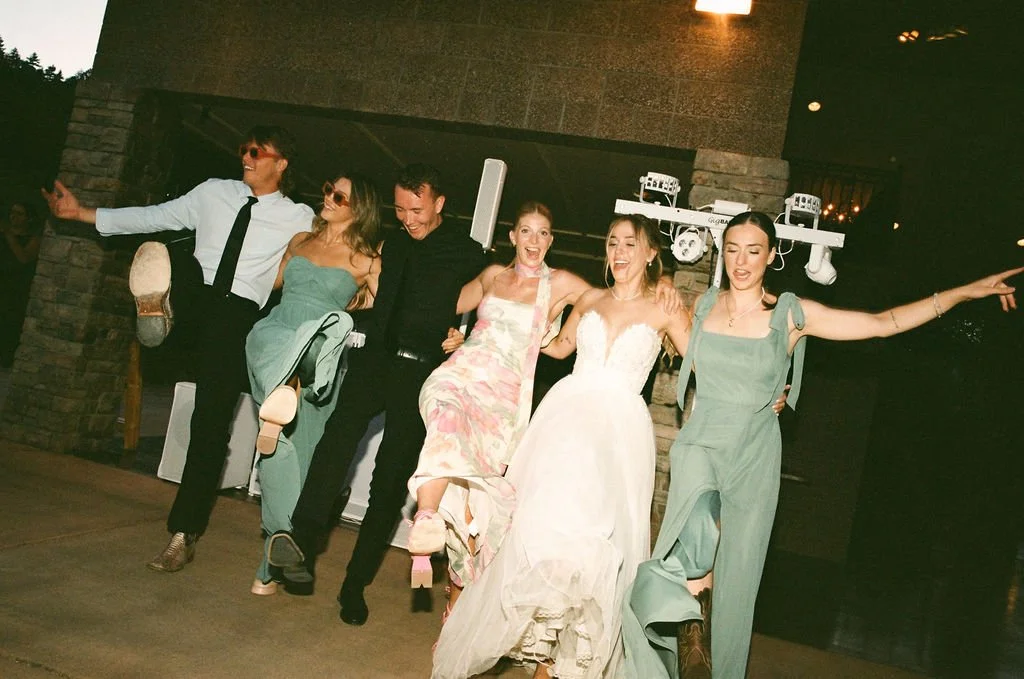
There’s the fun side — square frames, party chaos, maybe even a plastic camera like a Holga that leans into blur and flash and funky imperfection. The dance floor on 120? Elite. The champagne spray on a square negative? Unreal.
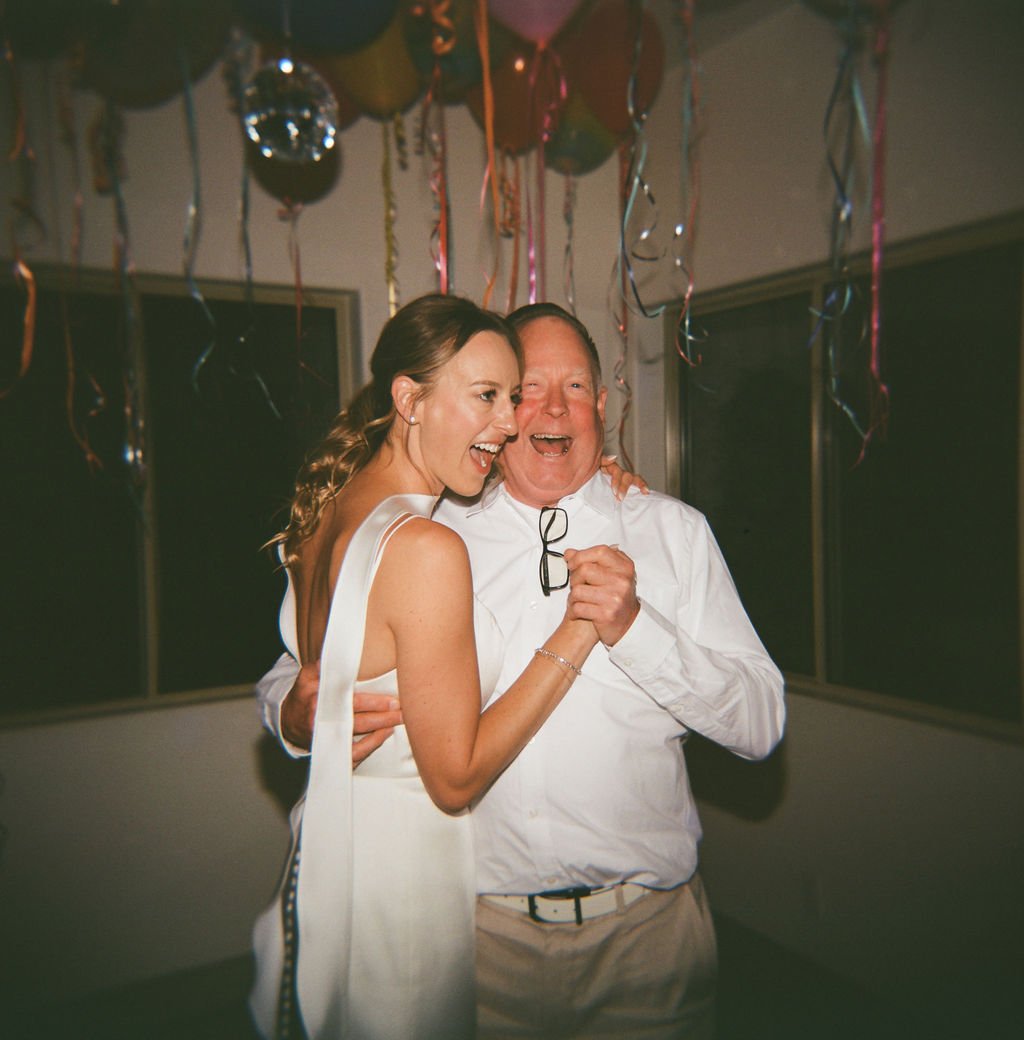
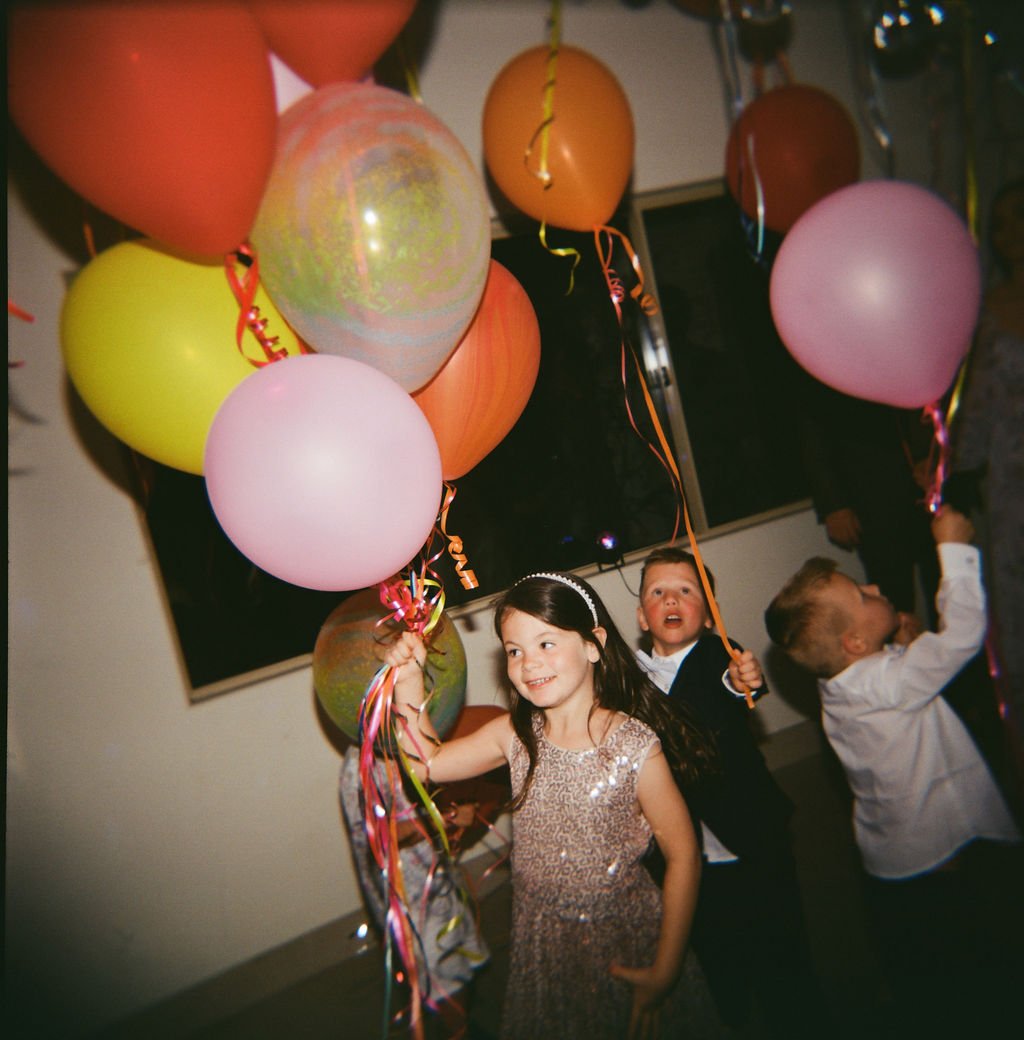
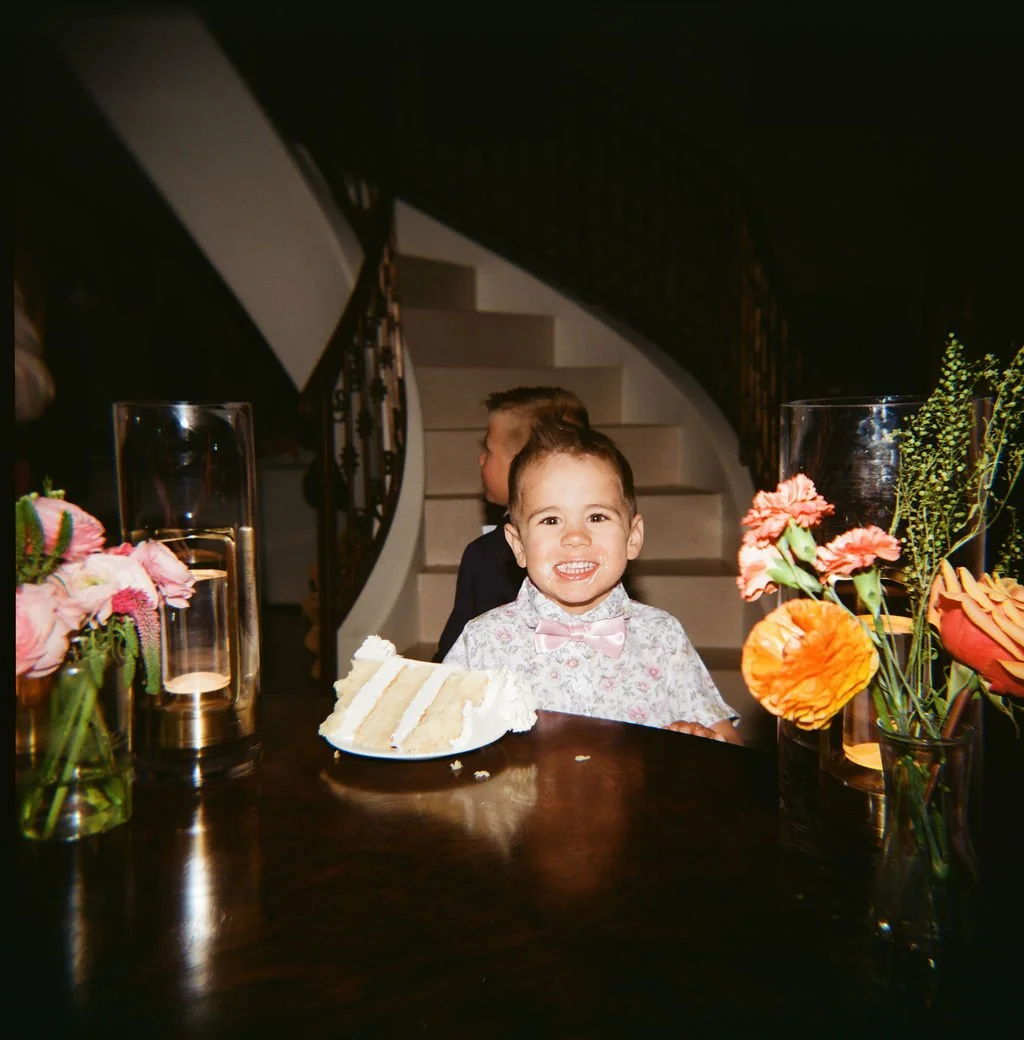
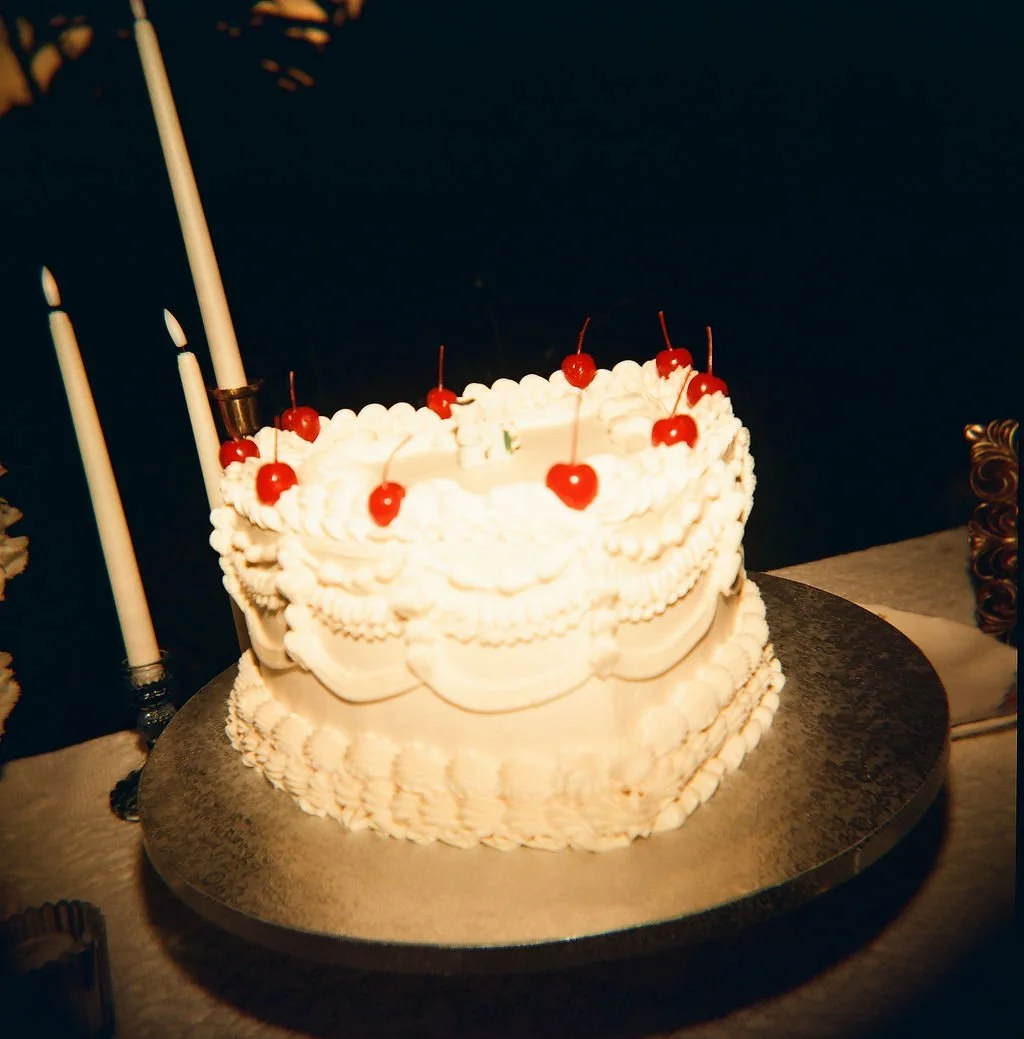
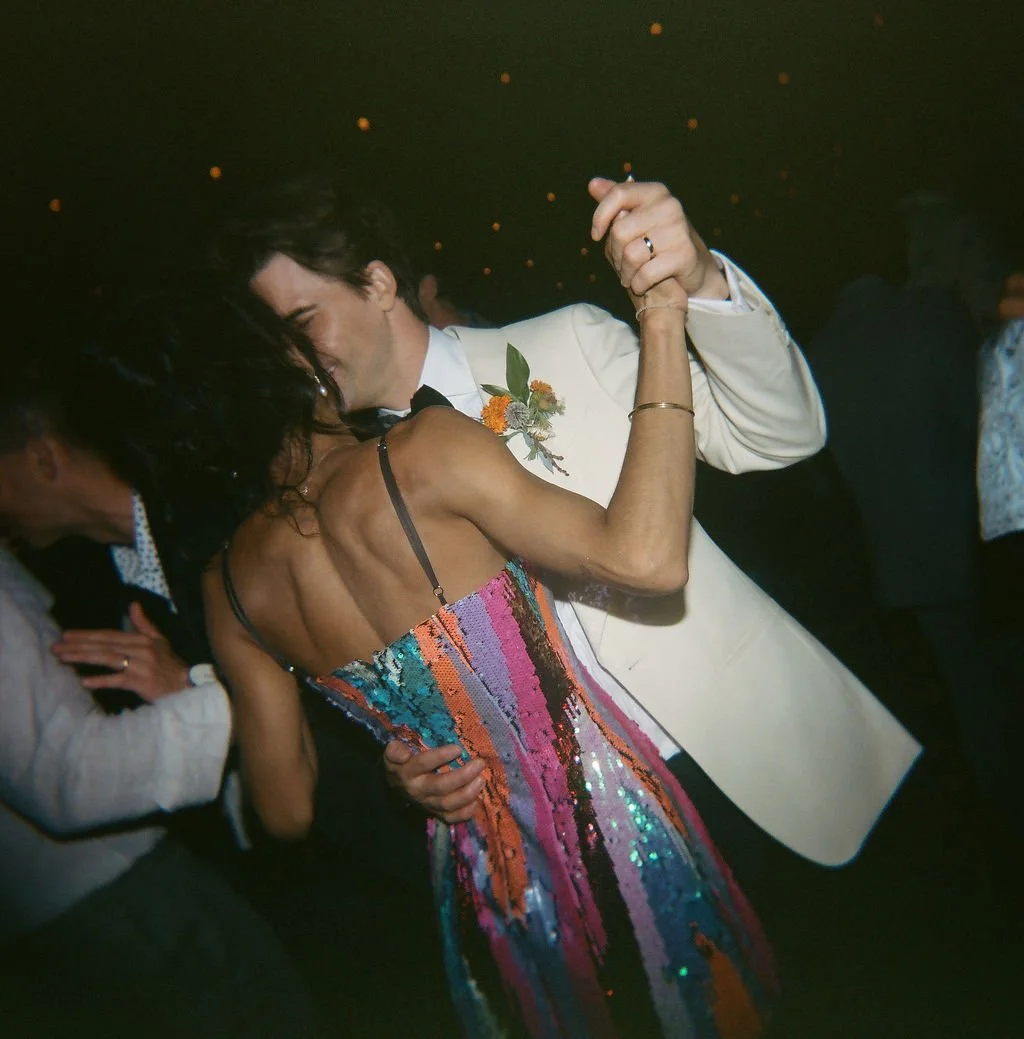
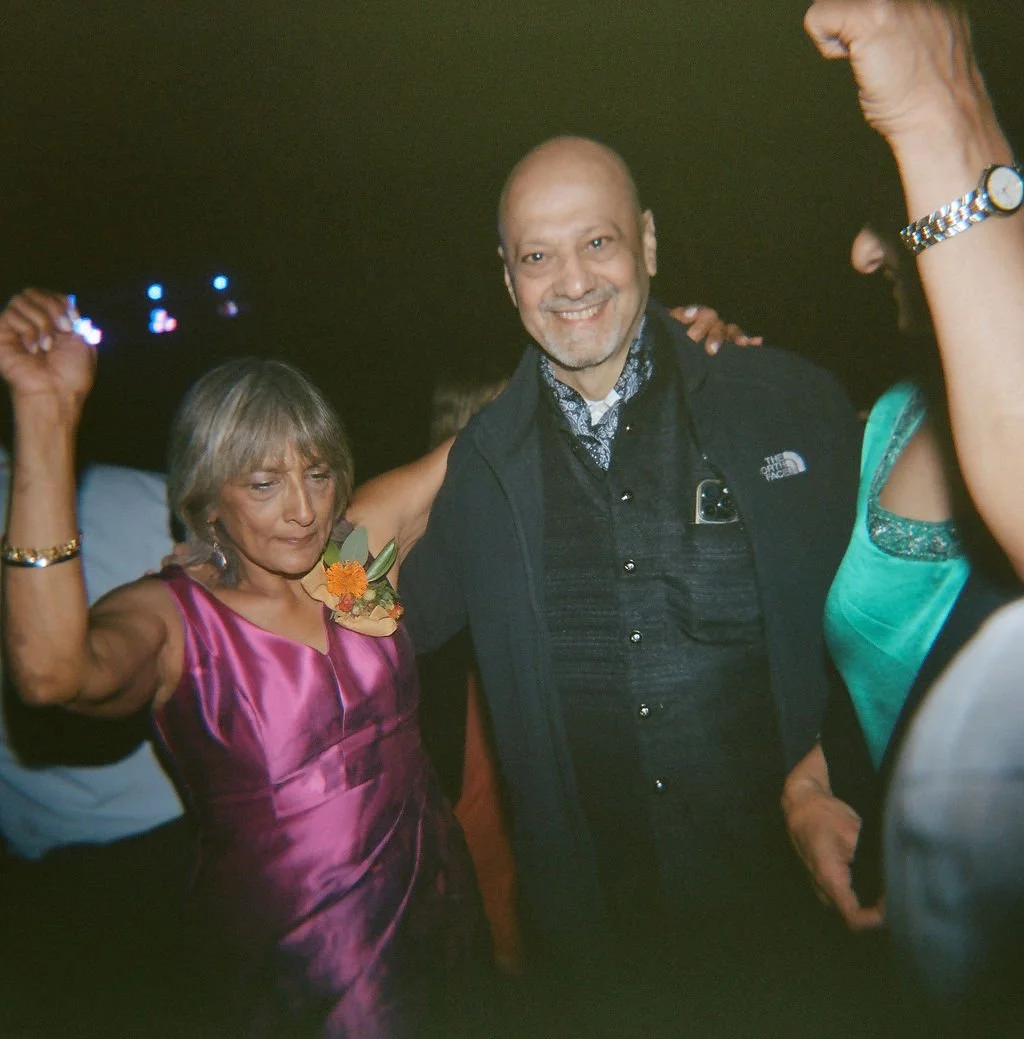
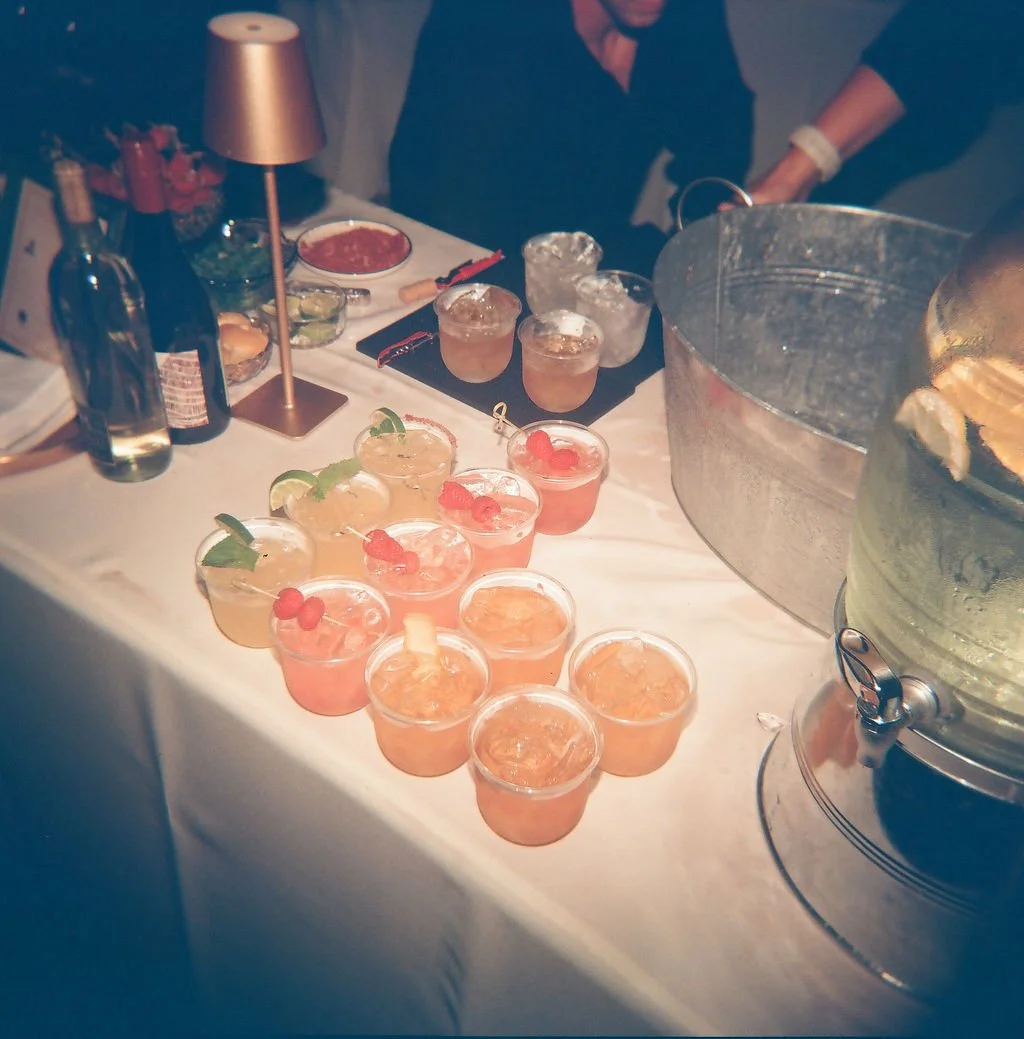
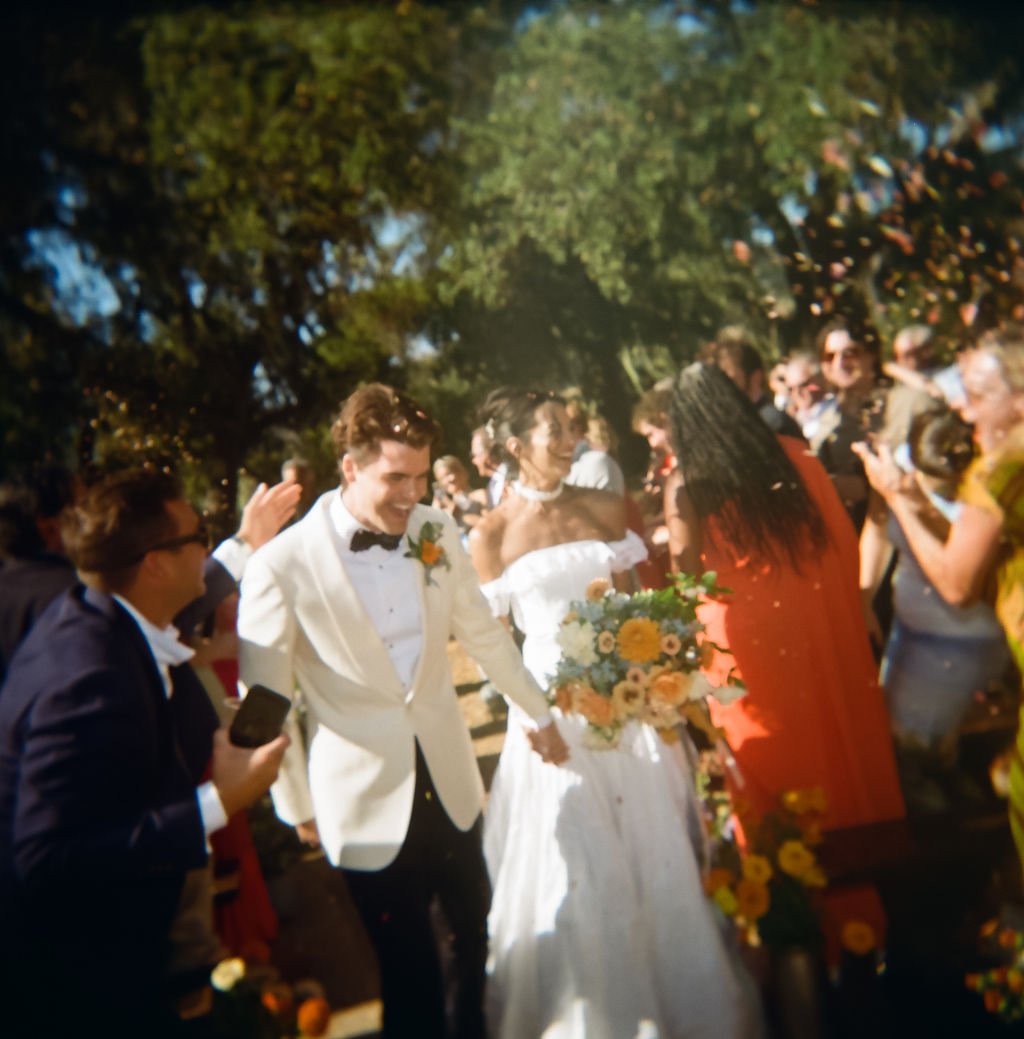
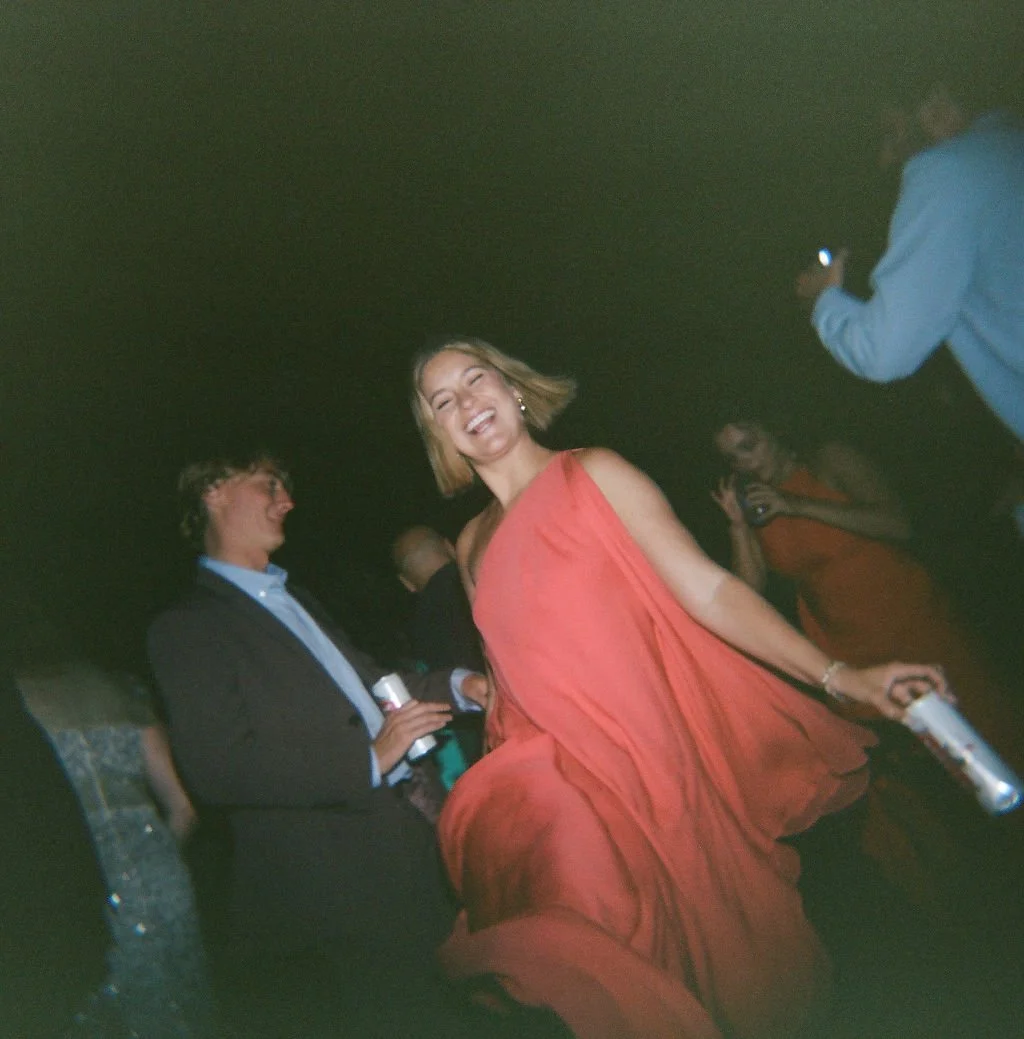
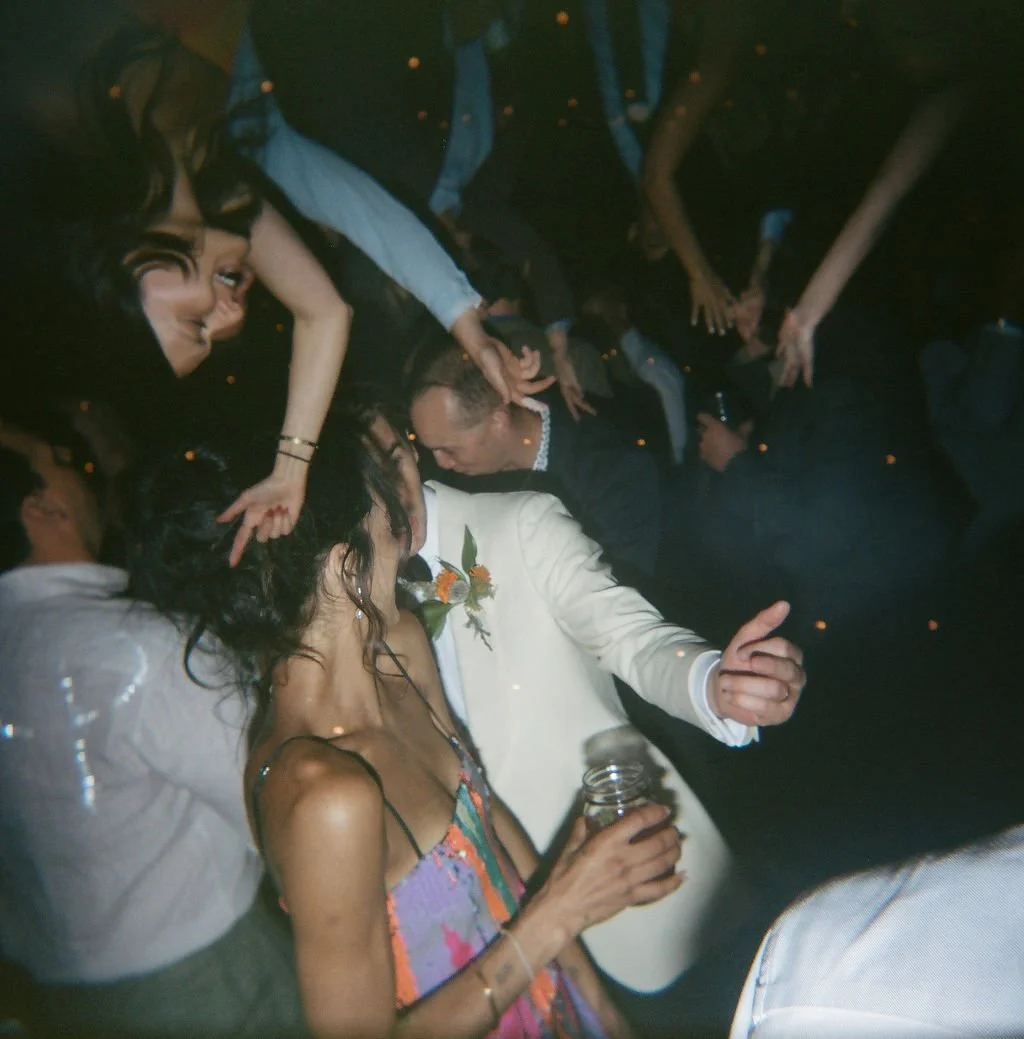
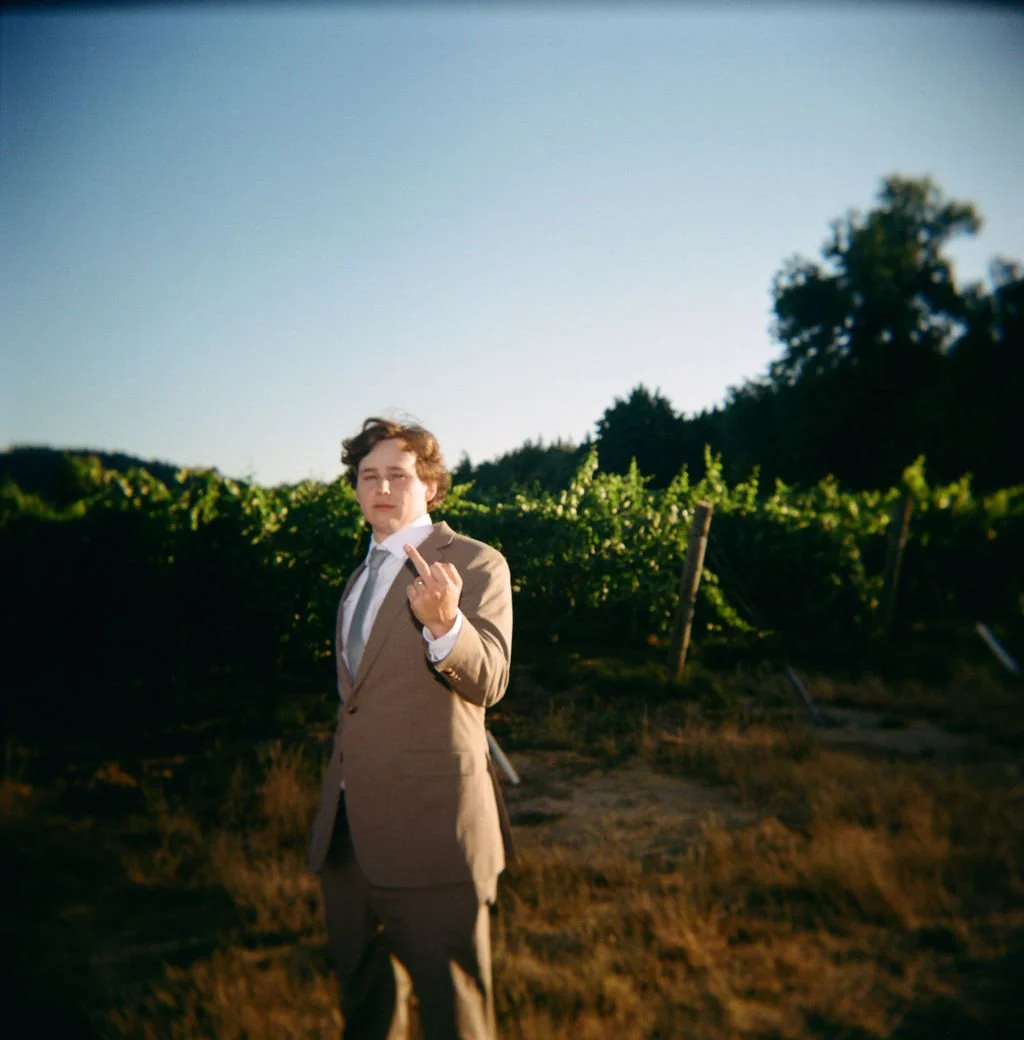
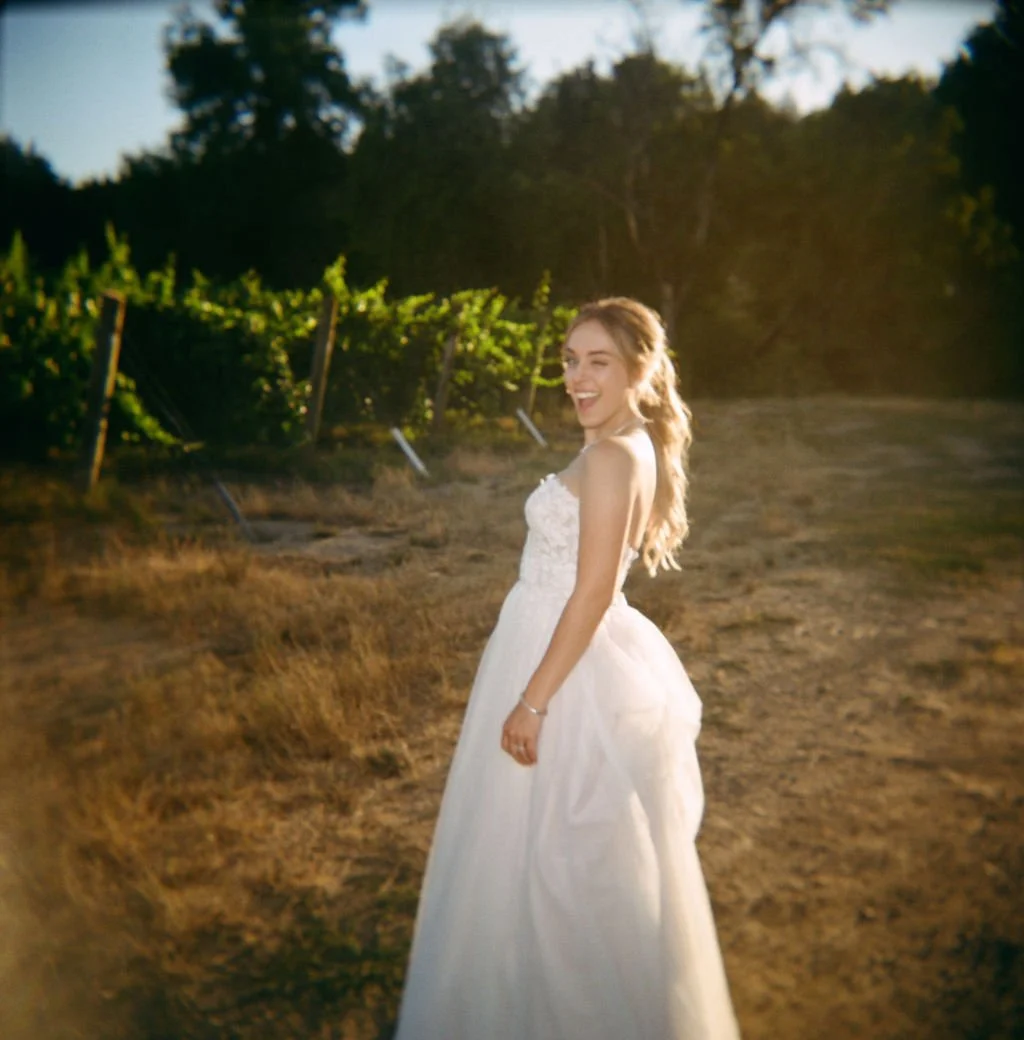
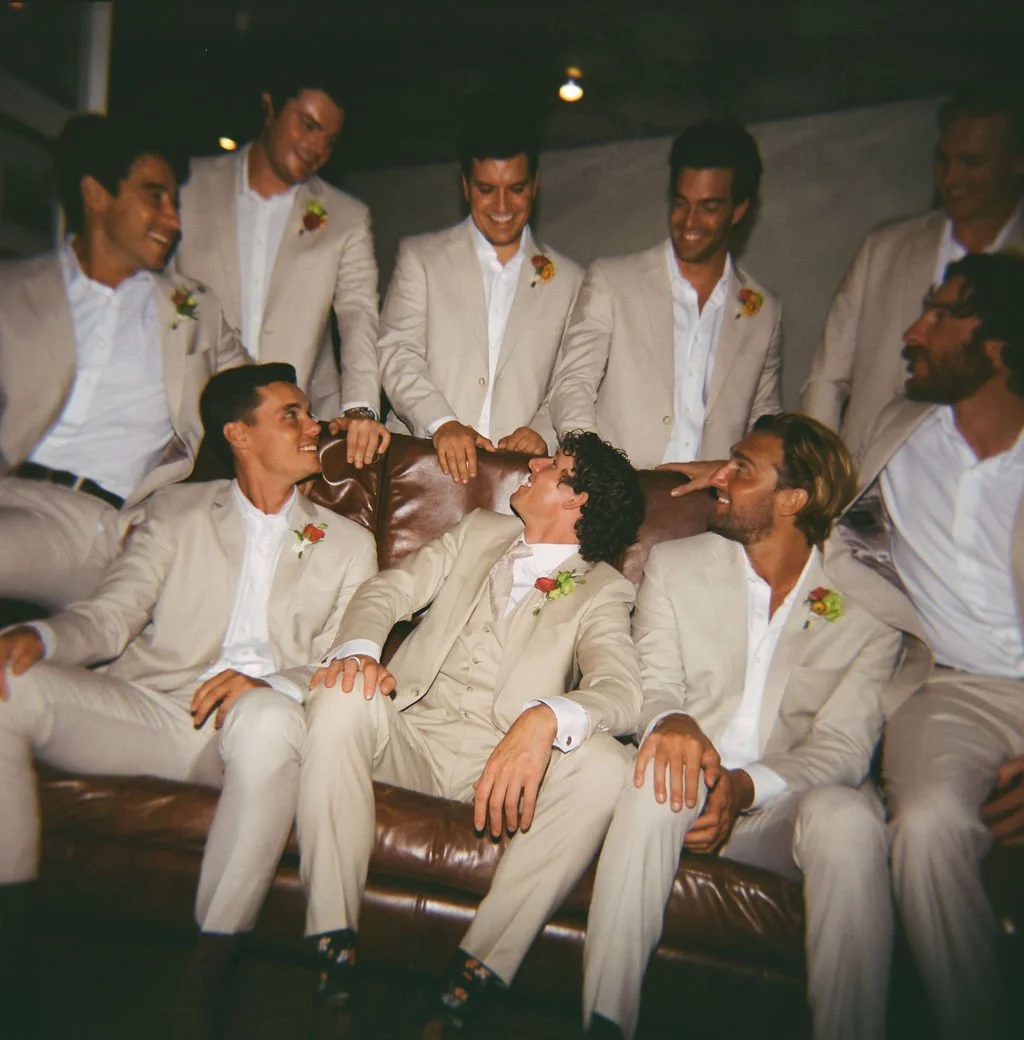
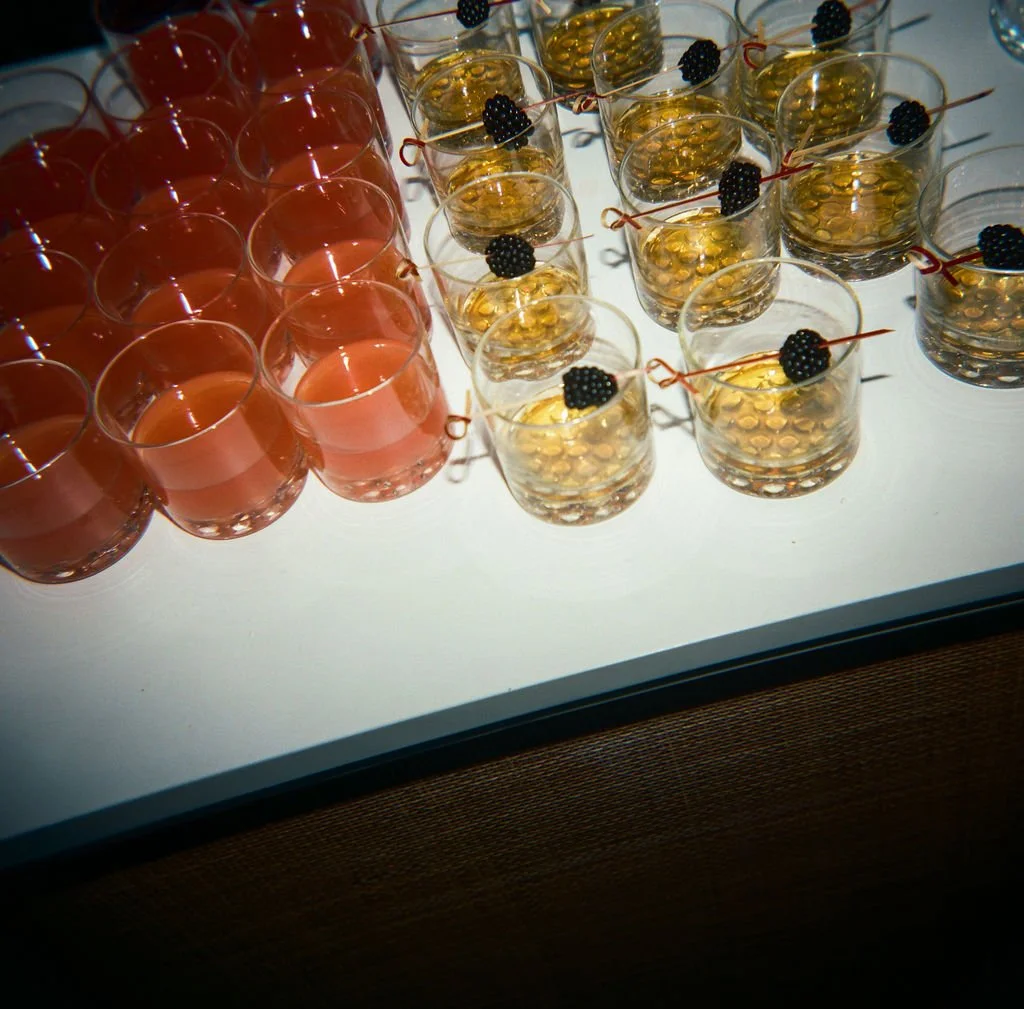
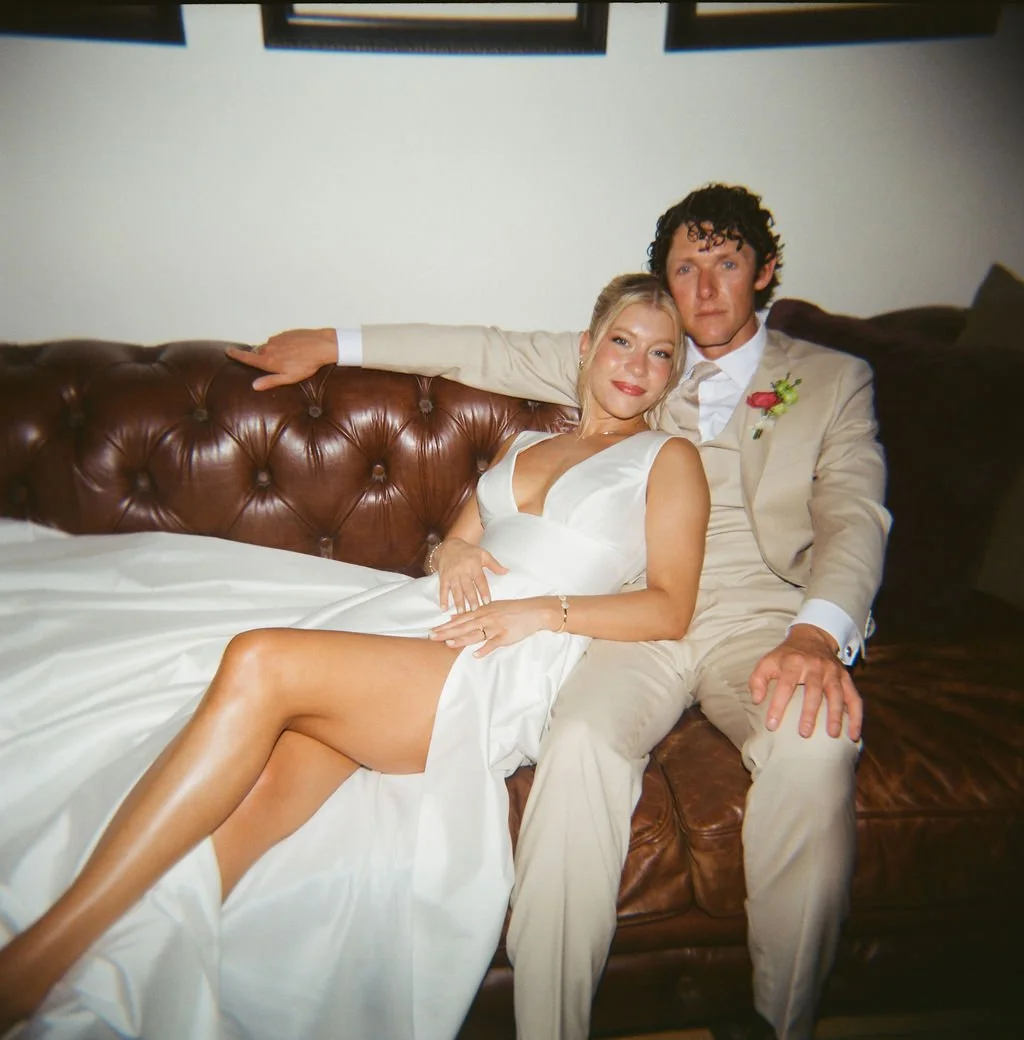
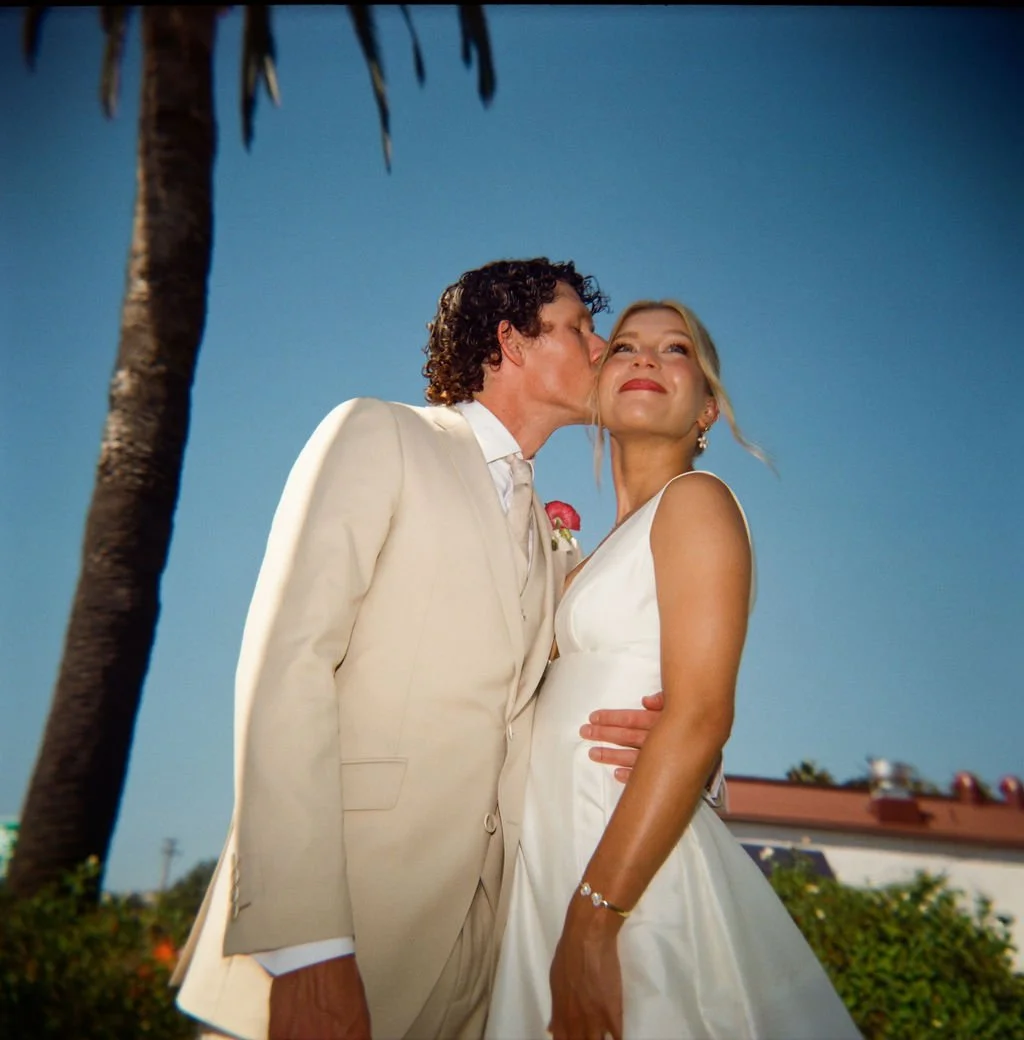
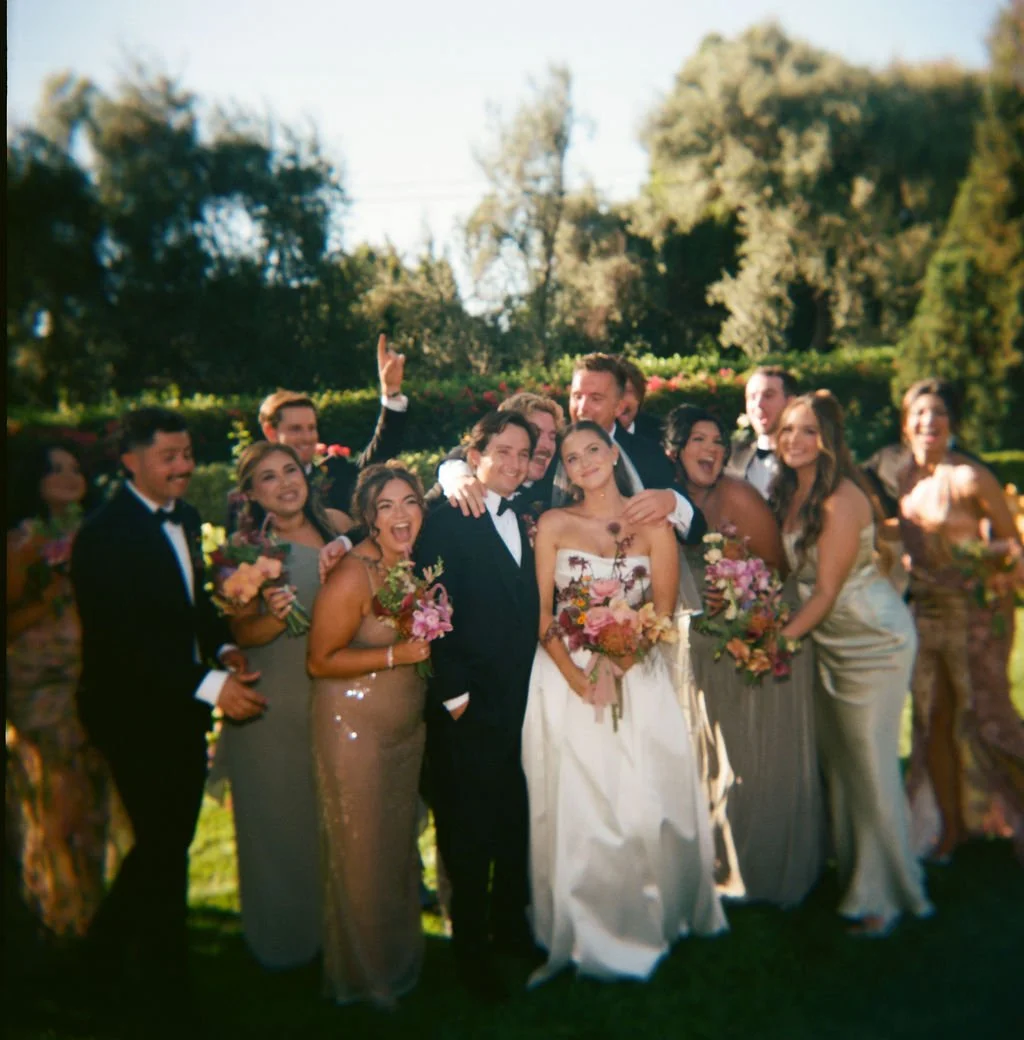
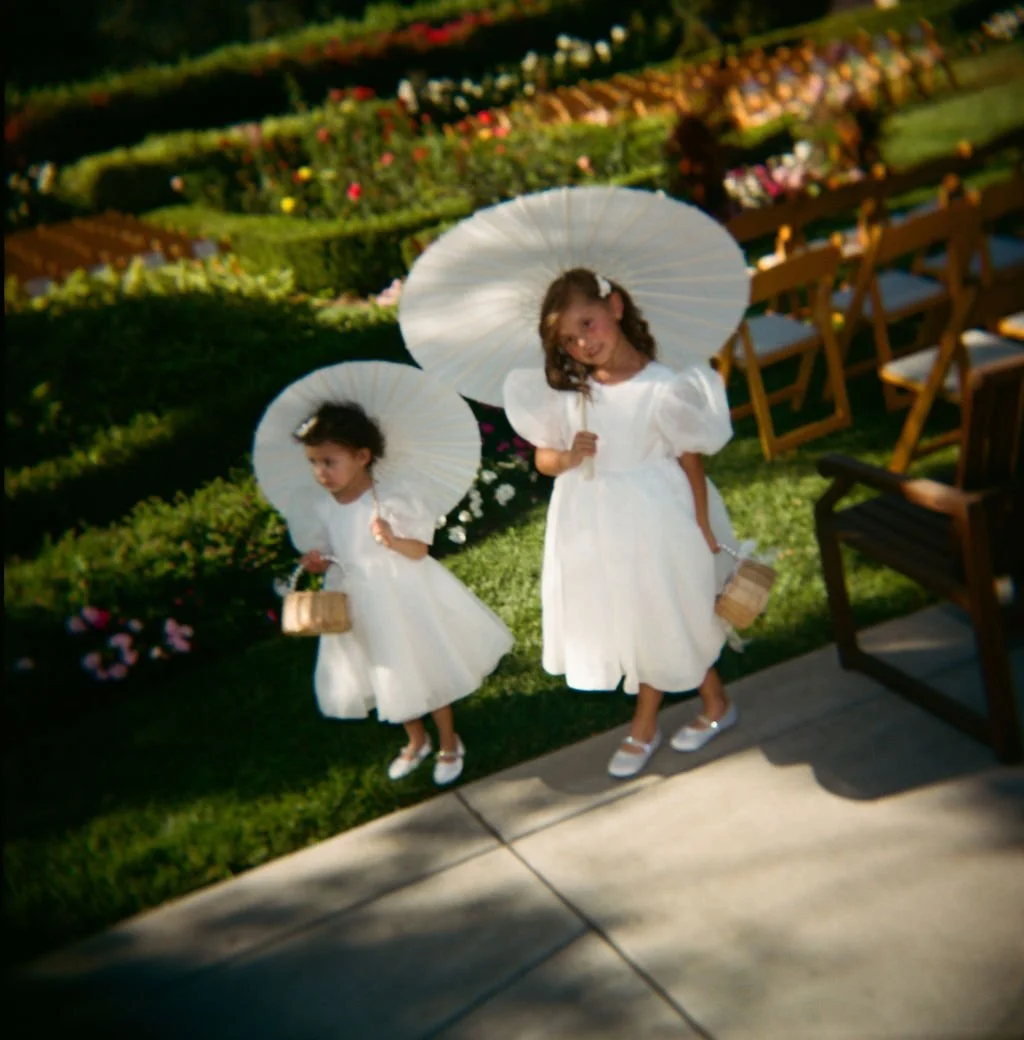
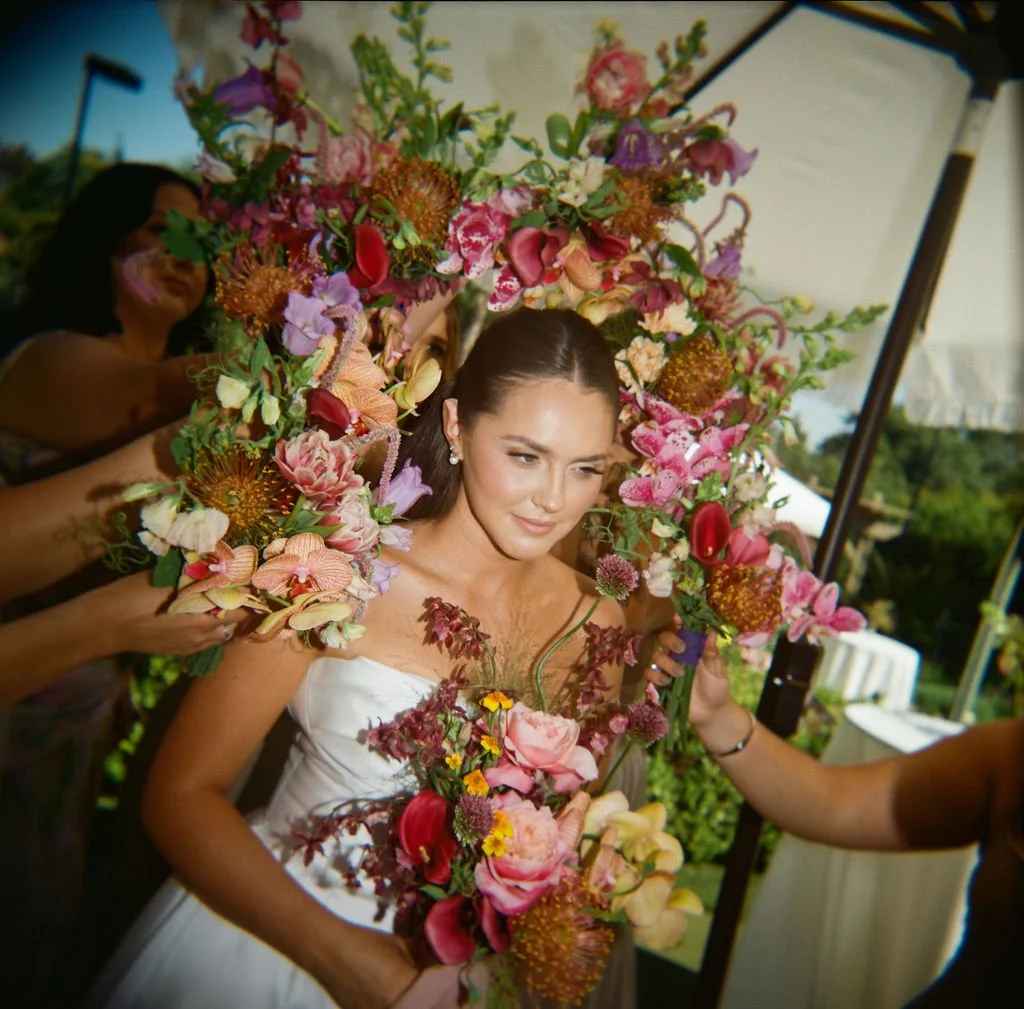
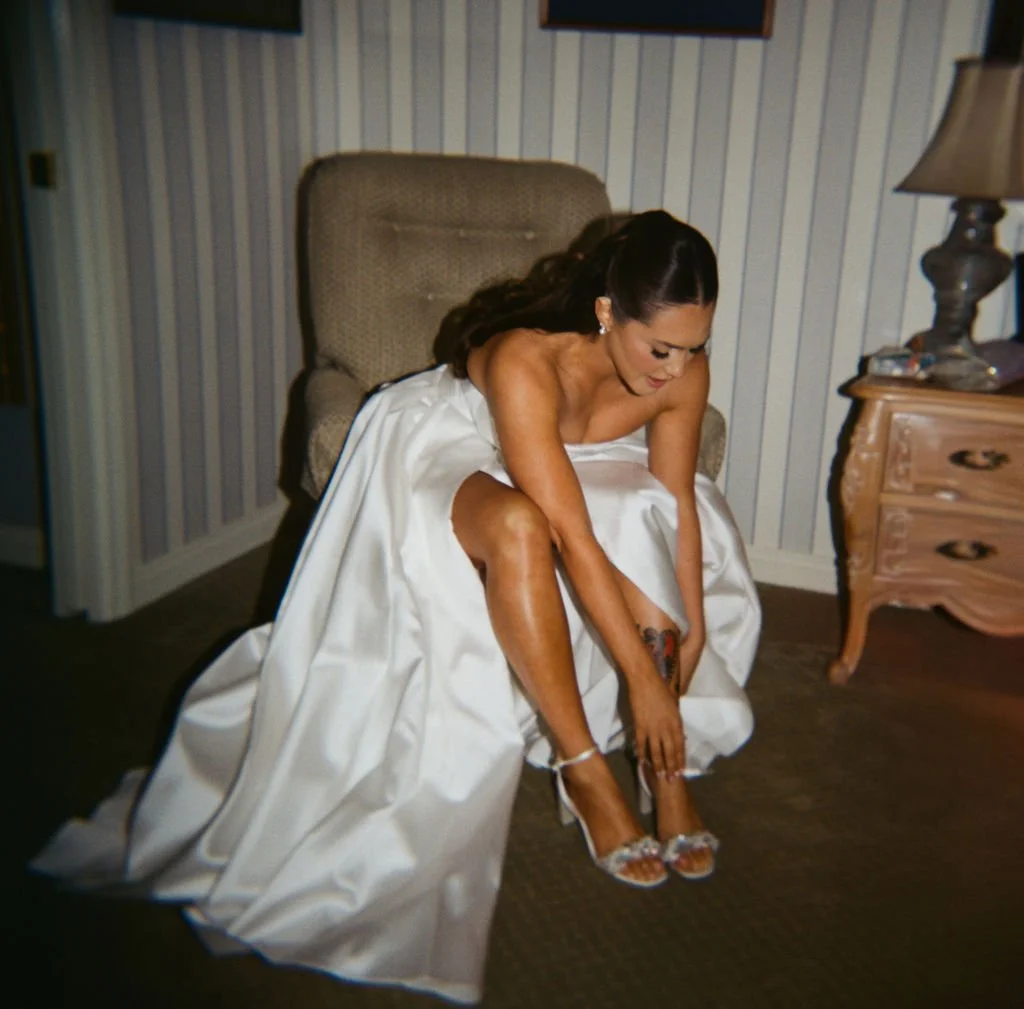
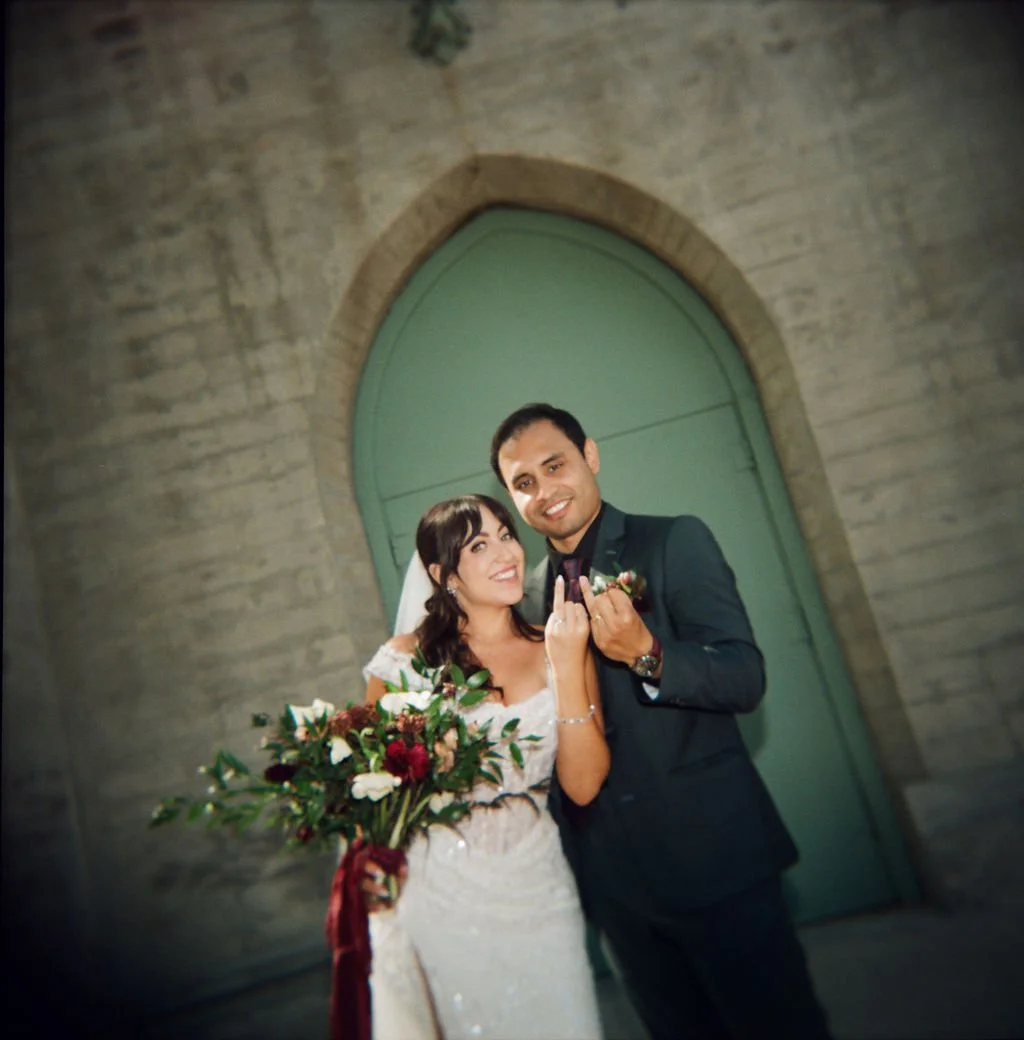
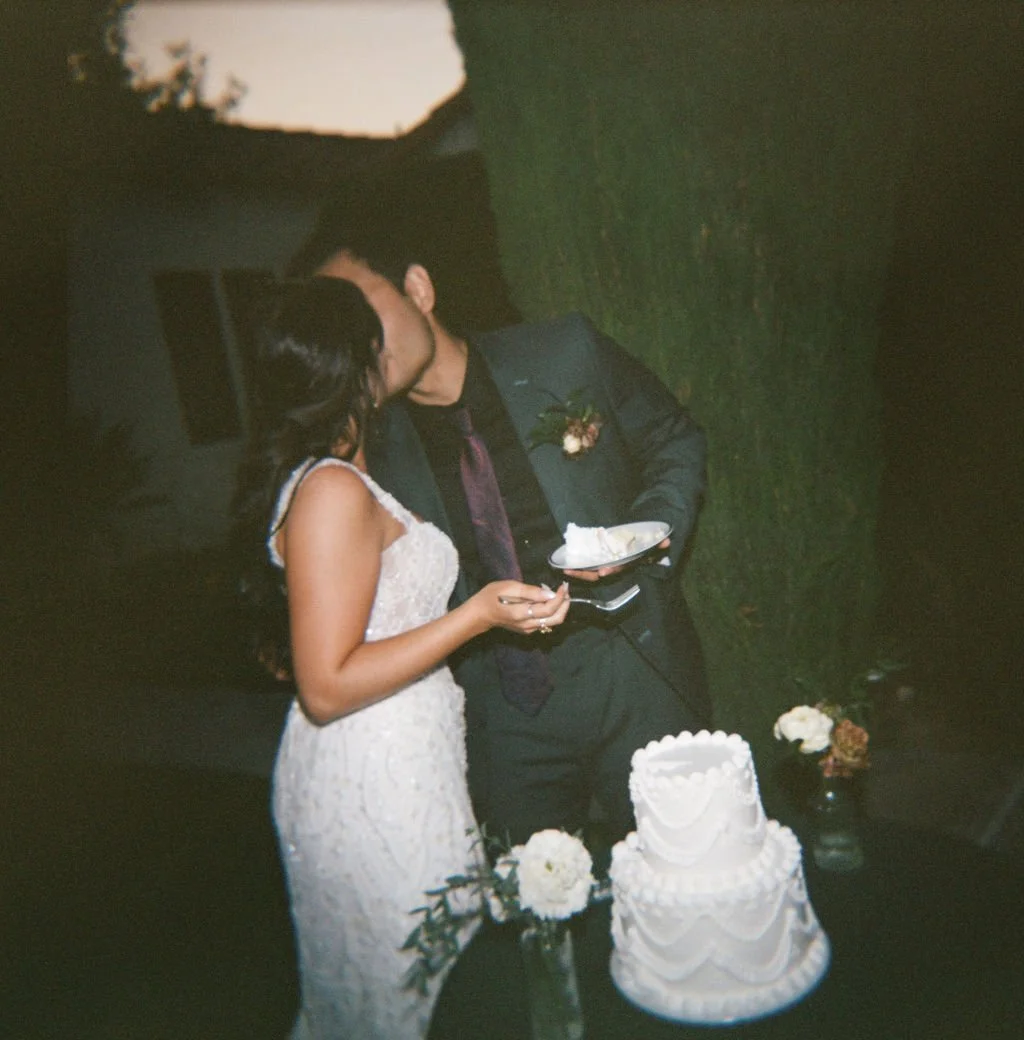
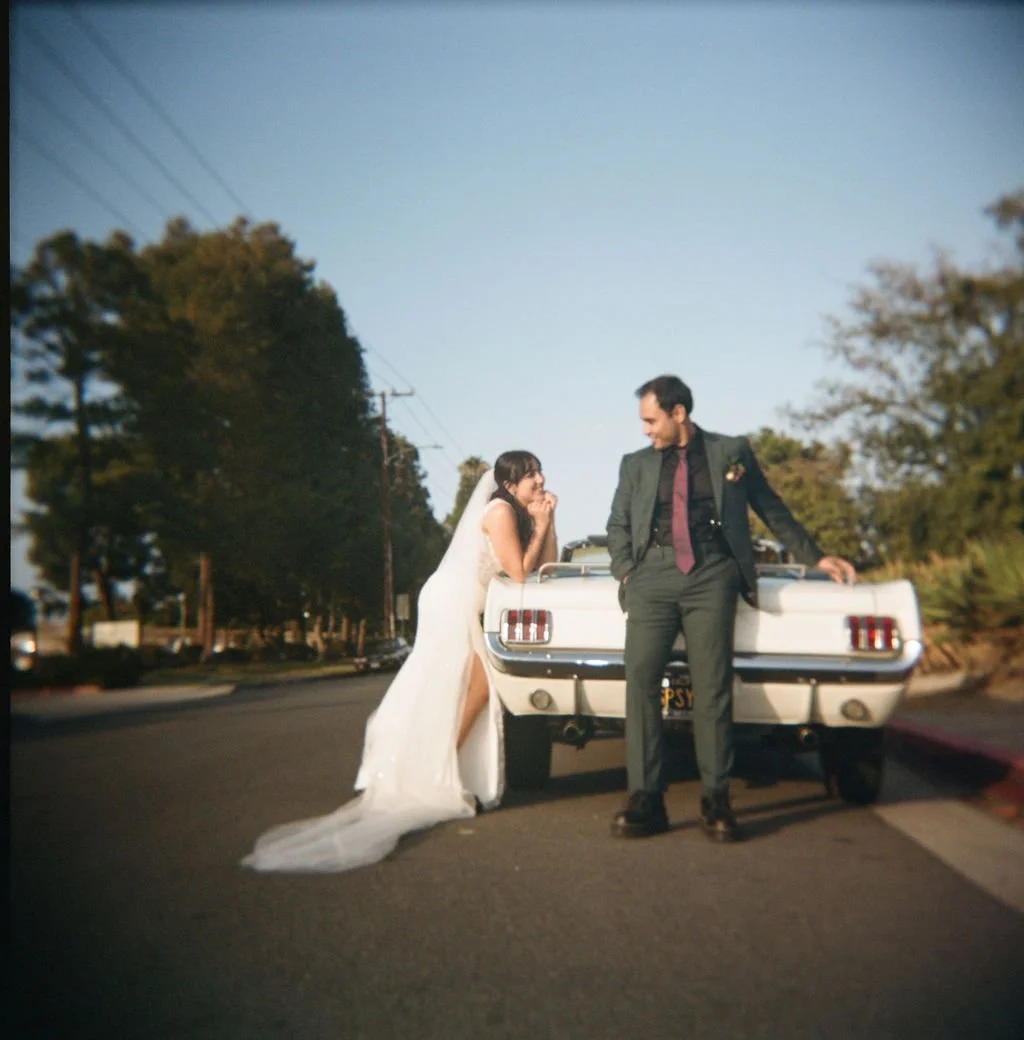
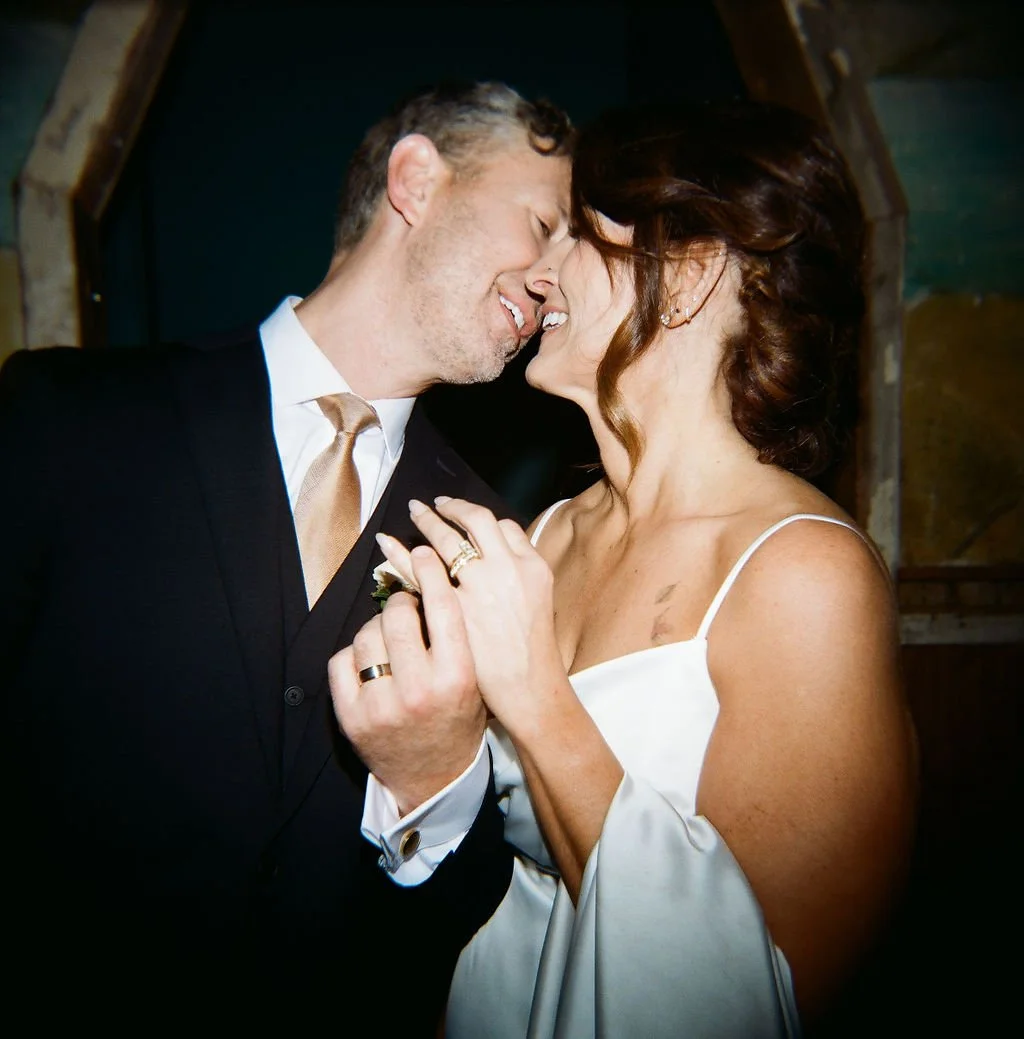
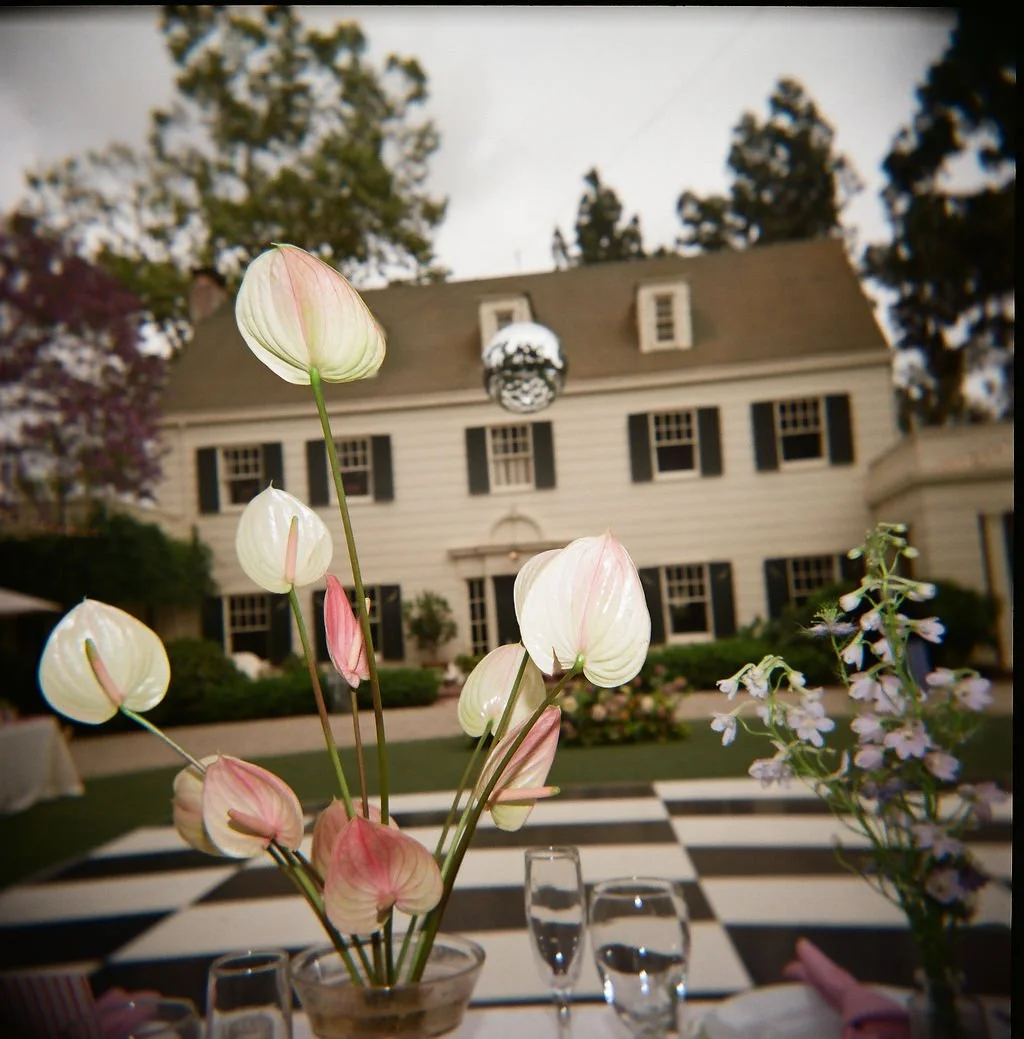
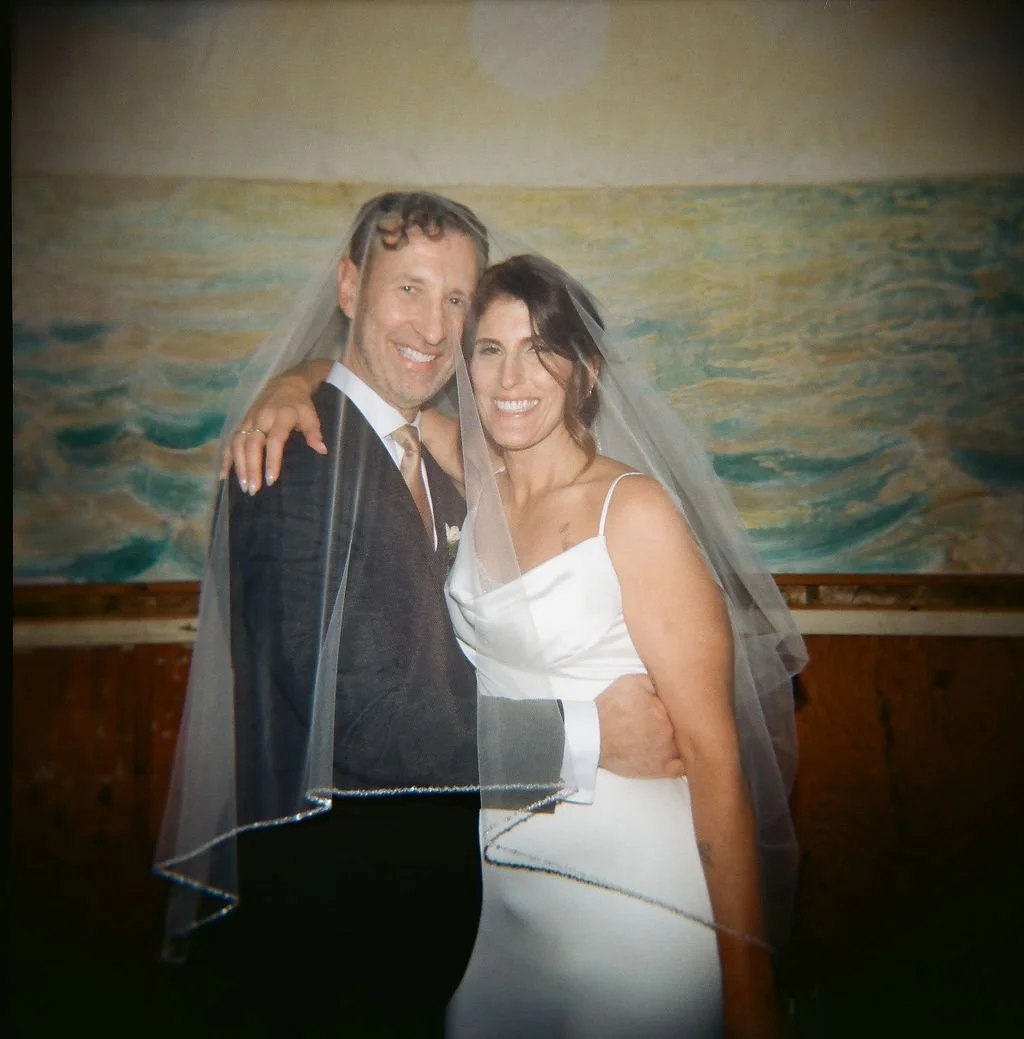
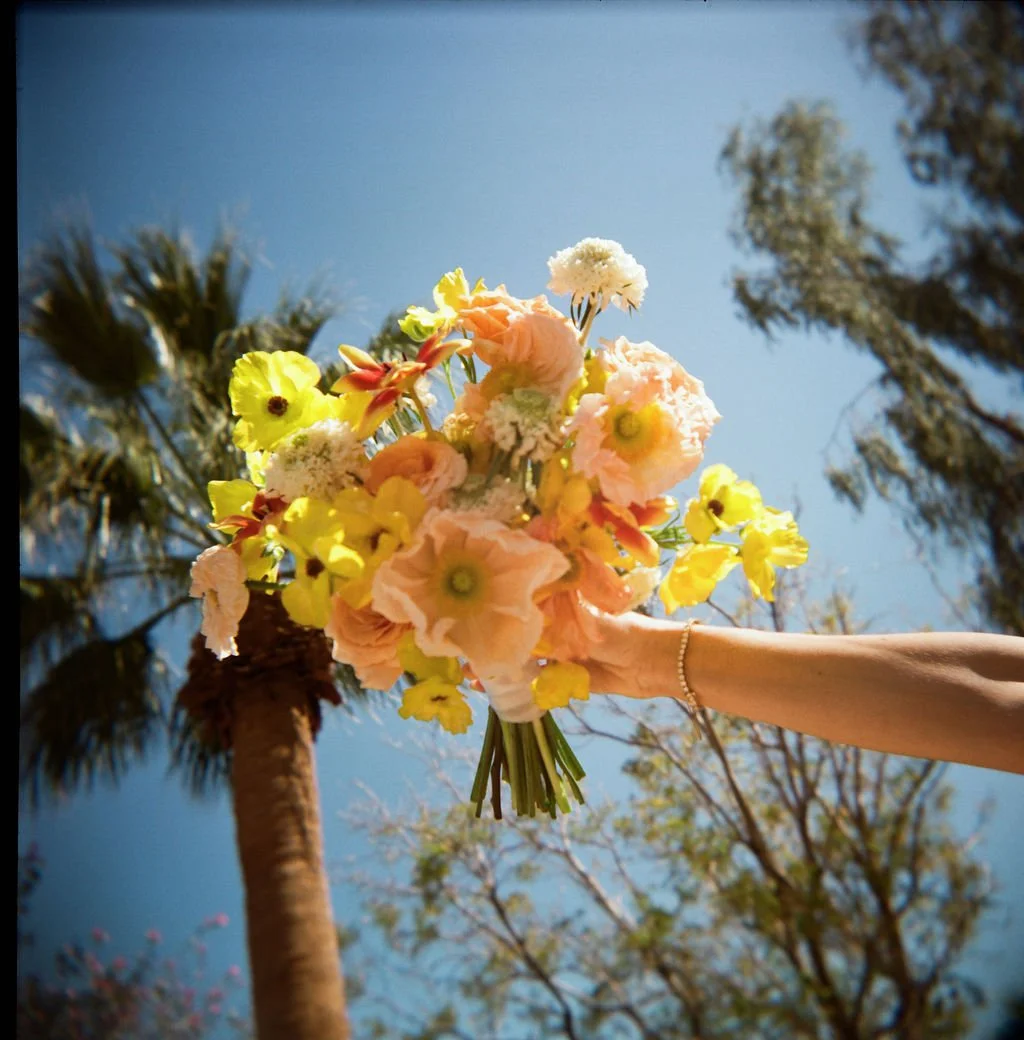
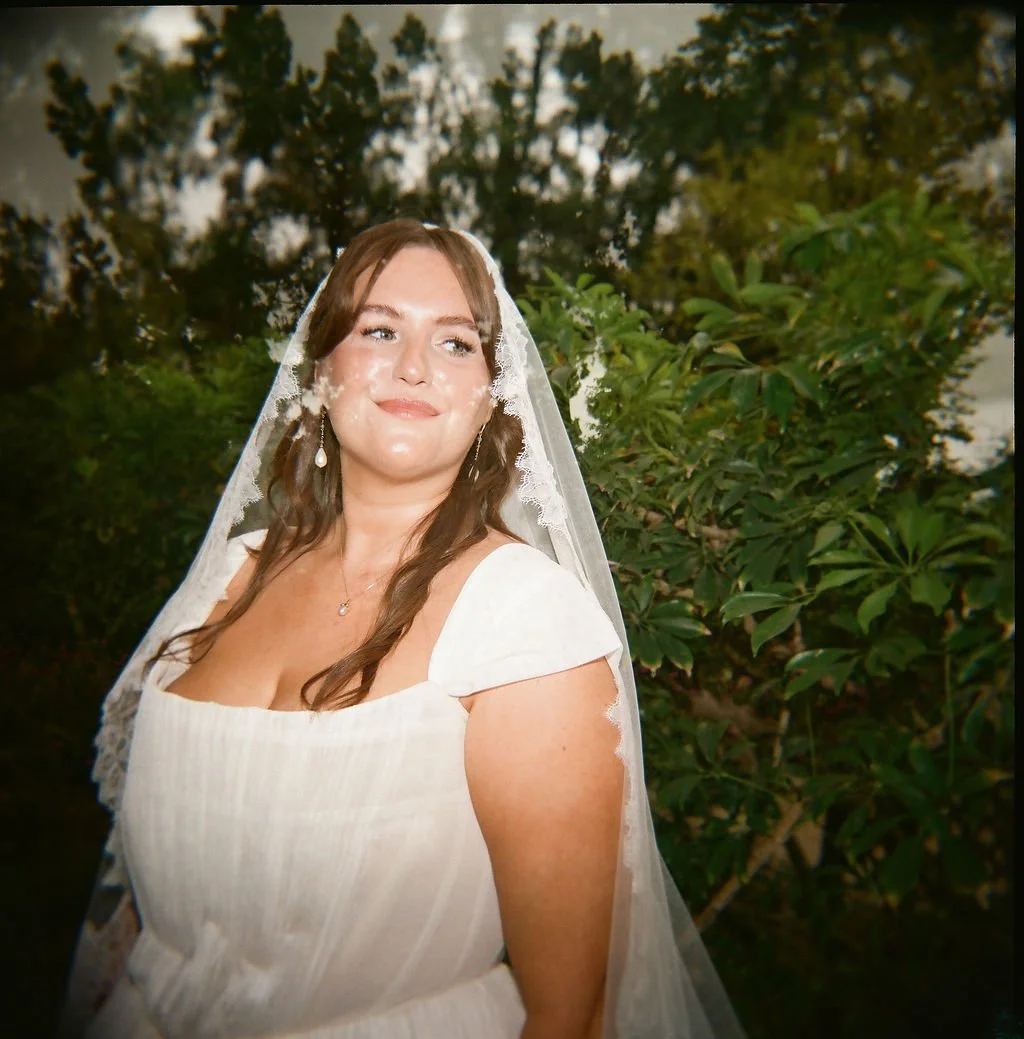
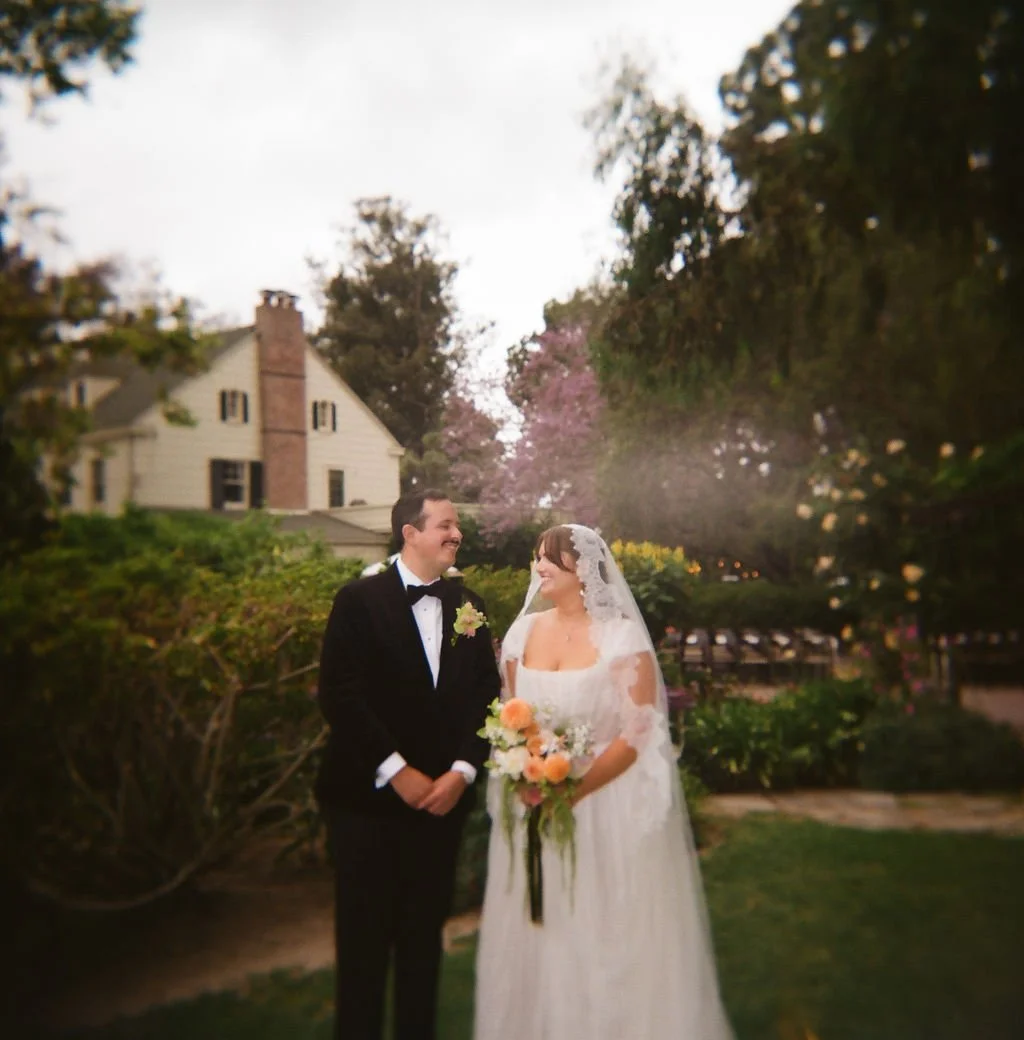
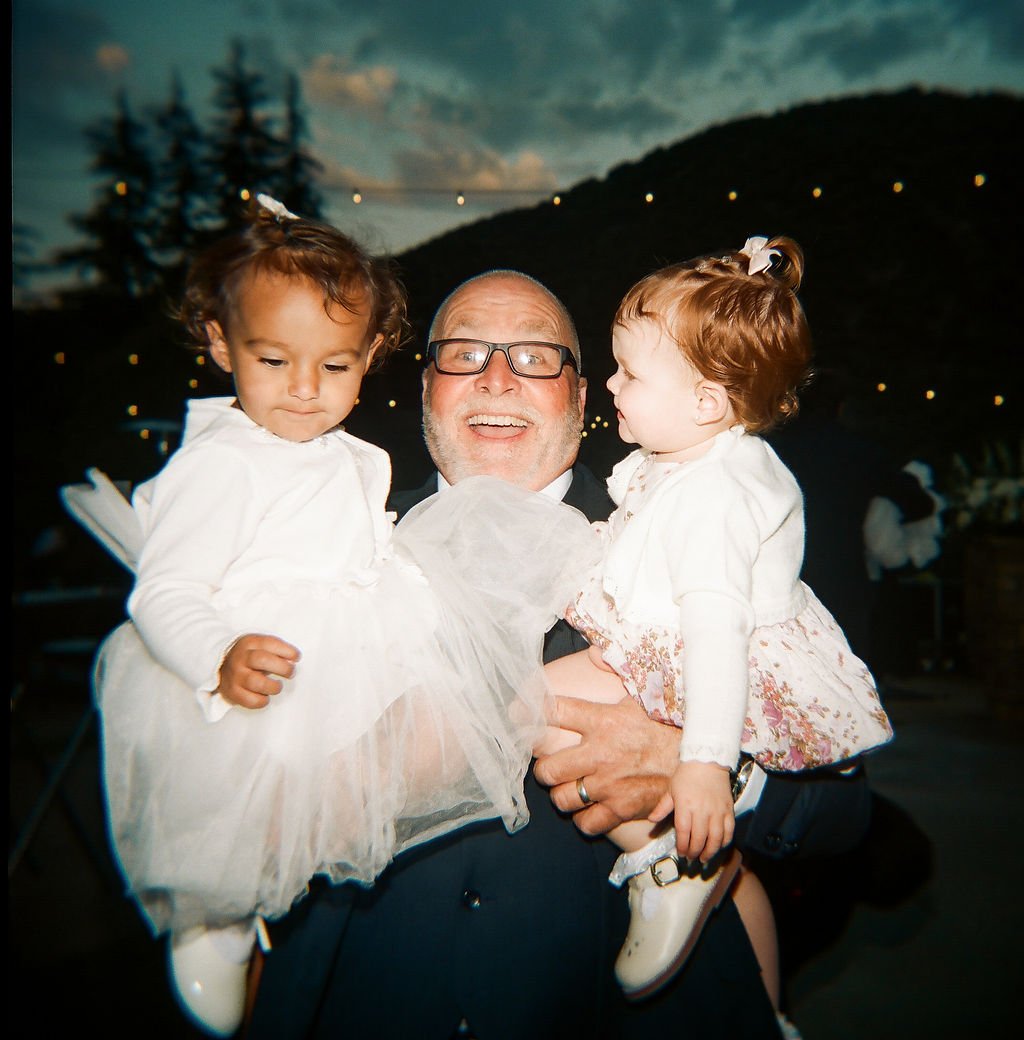
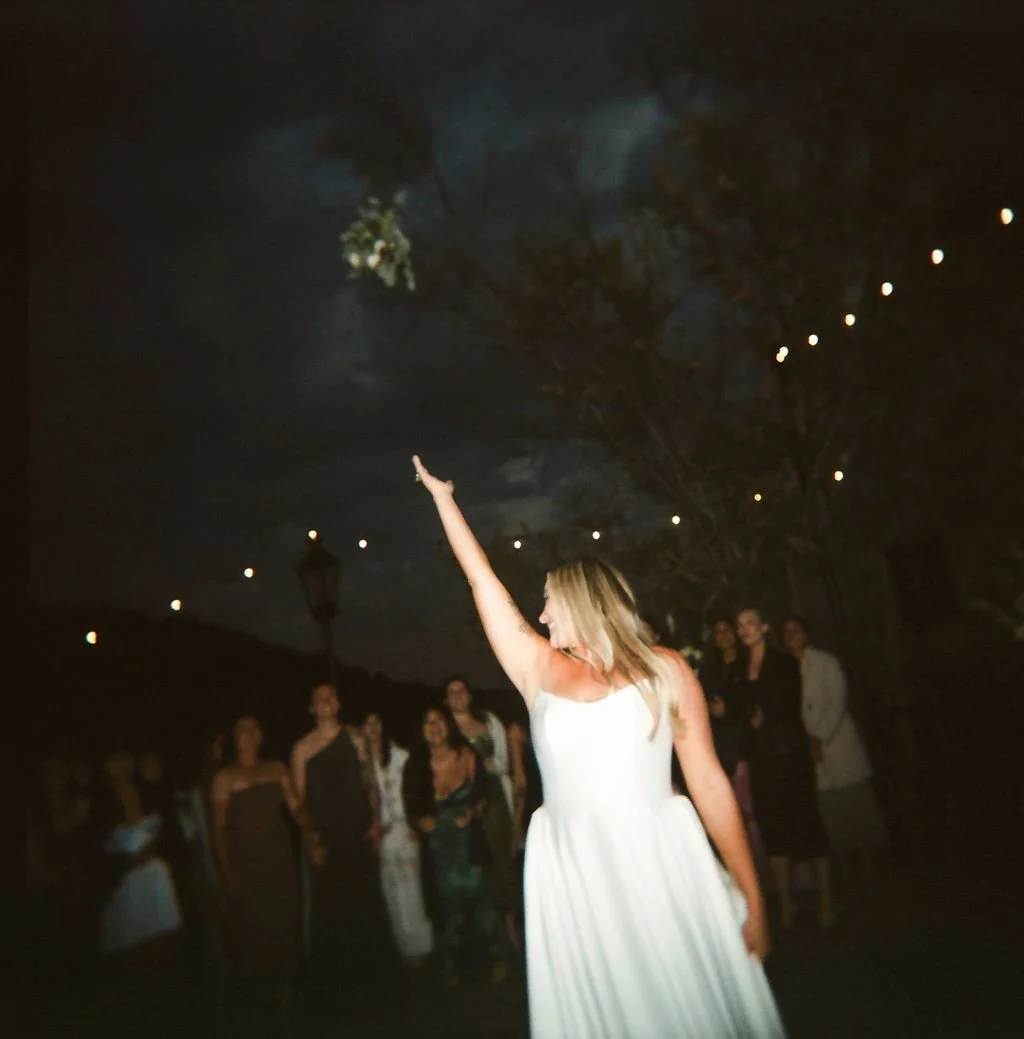
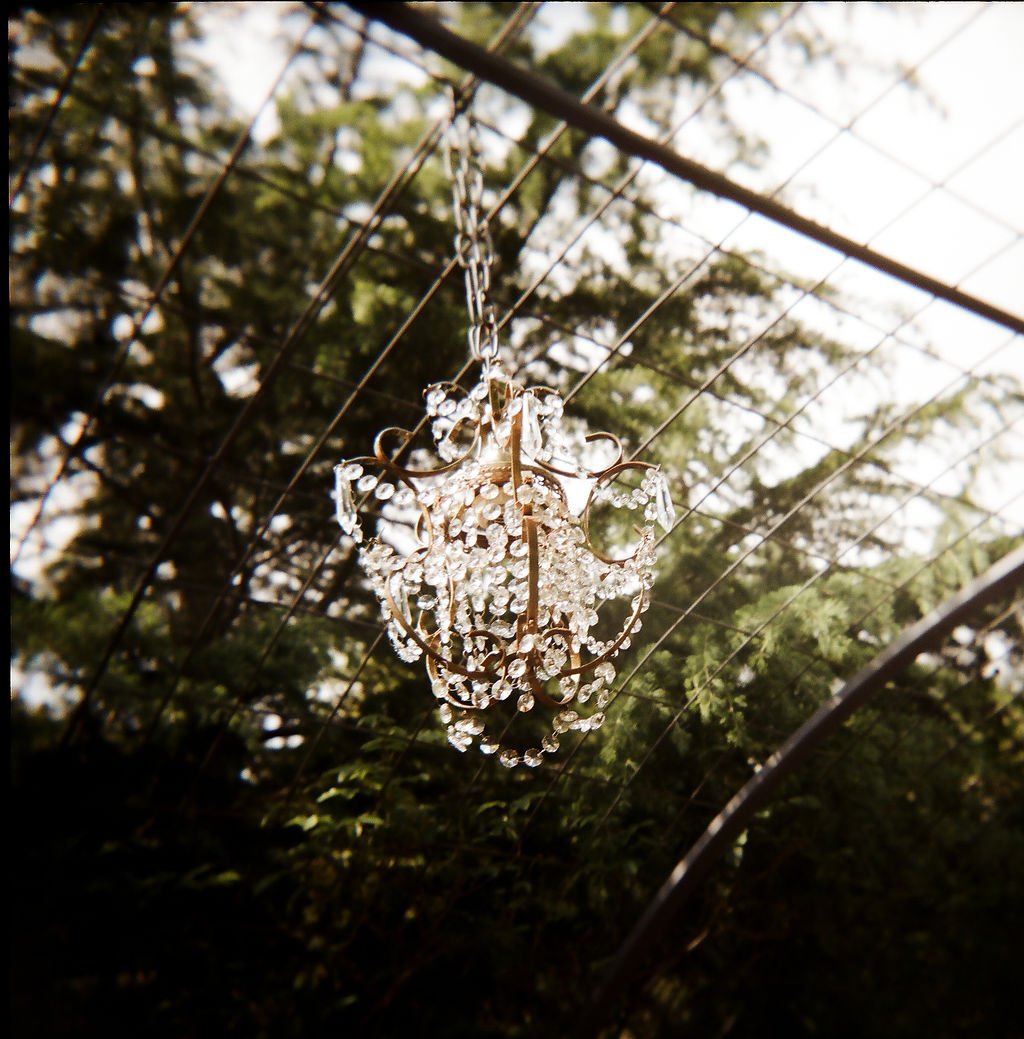
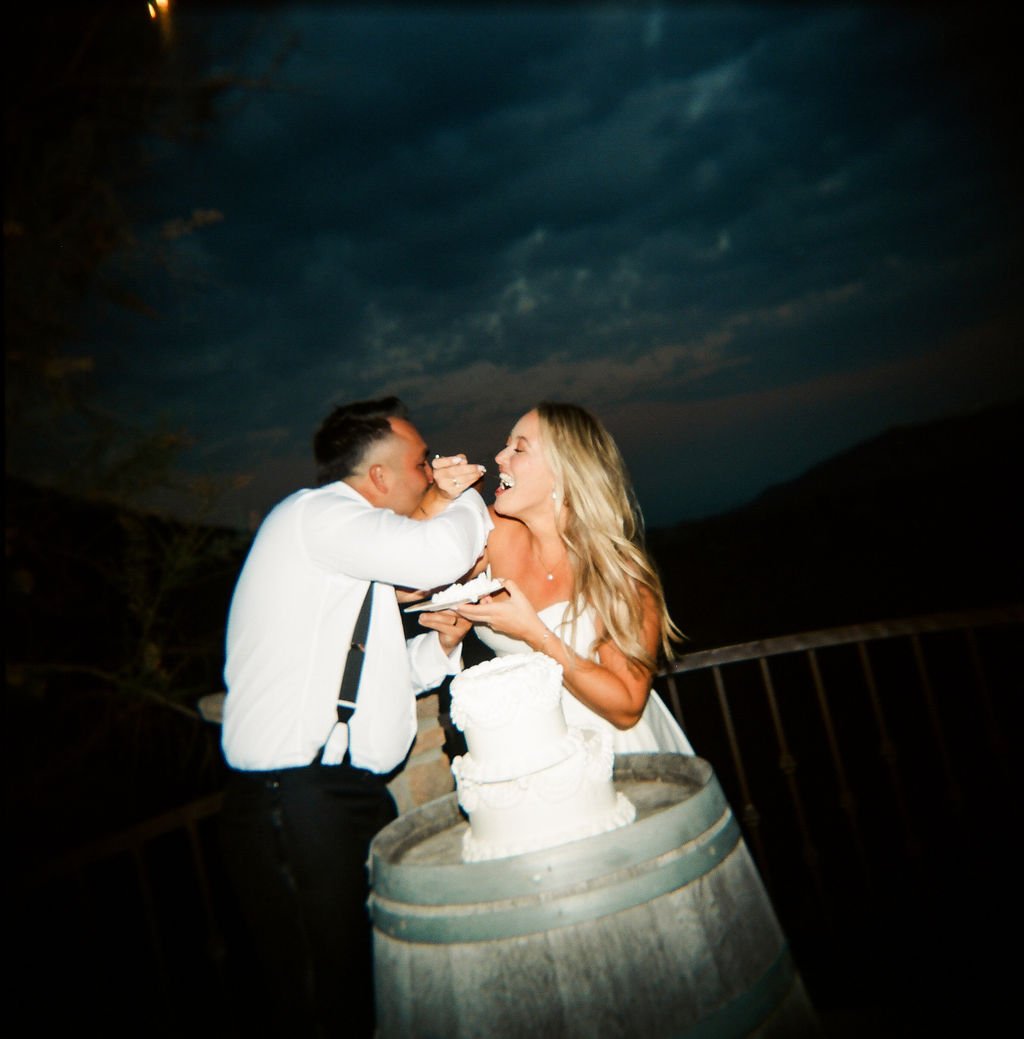
A few fun square frame 120 shots on my lil Holga.
It can be heirloom-level elegance one minute and unhinged party energy the next.
Luxury and chaos.
Soft and electric.
All in the same roll.
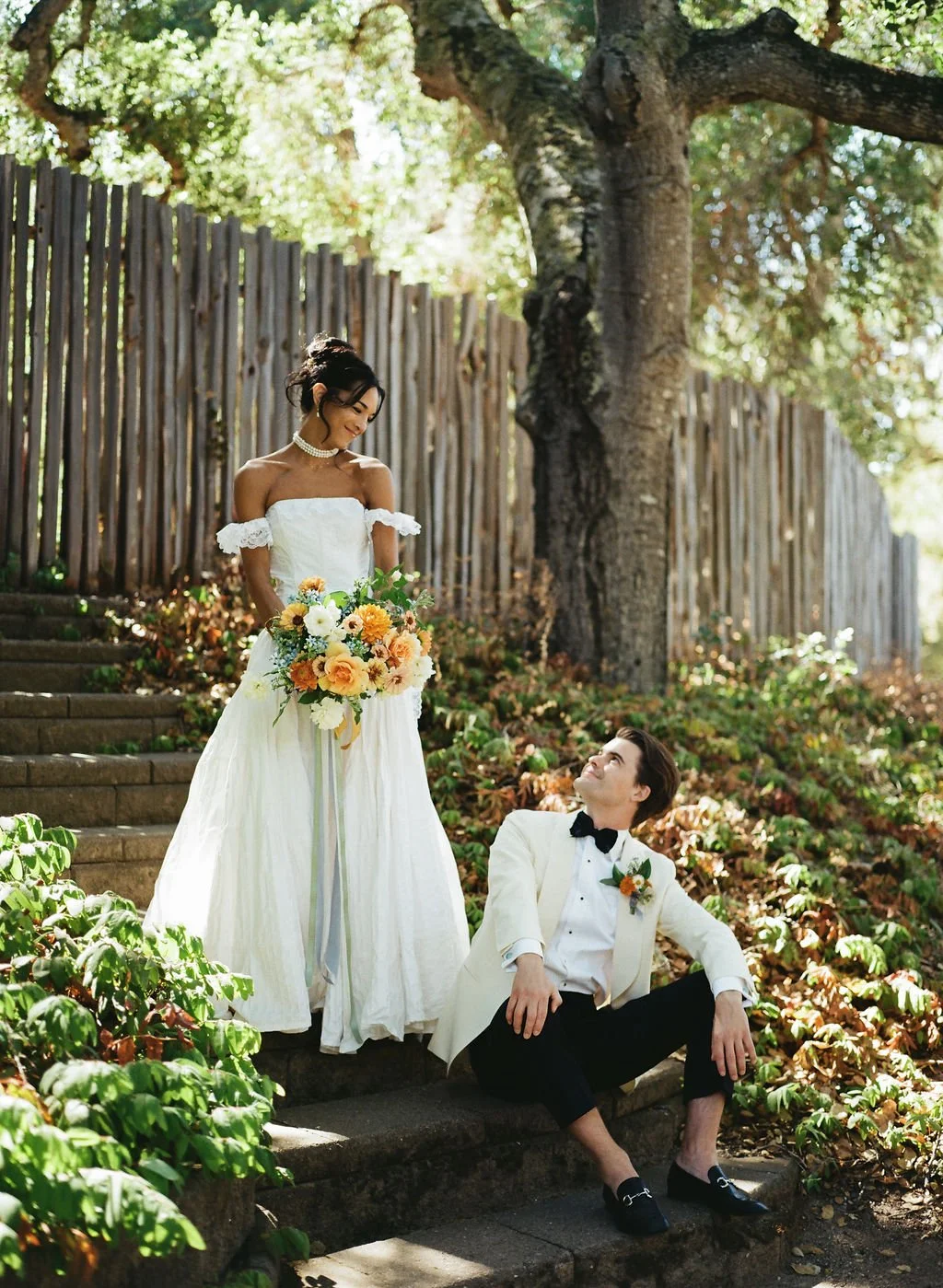
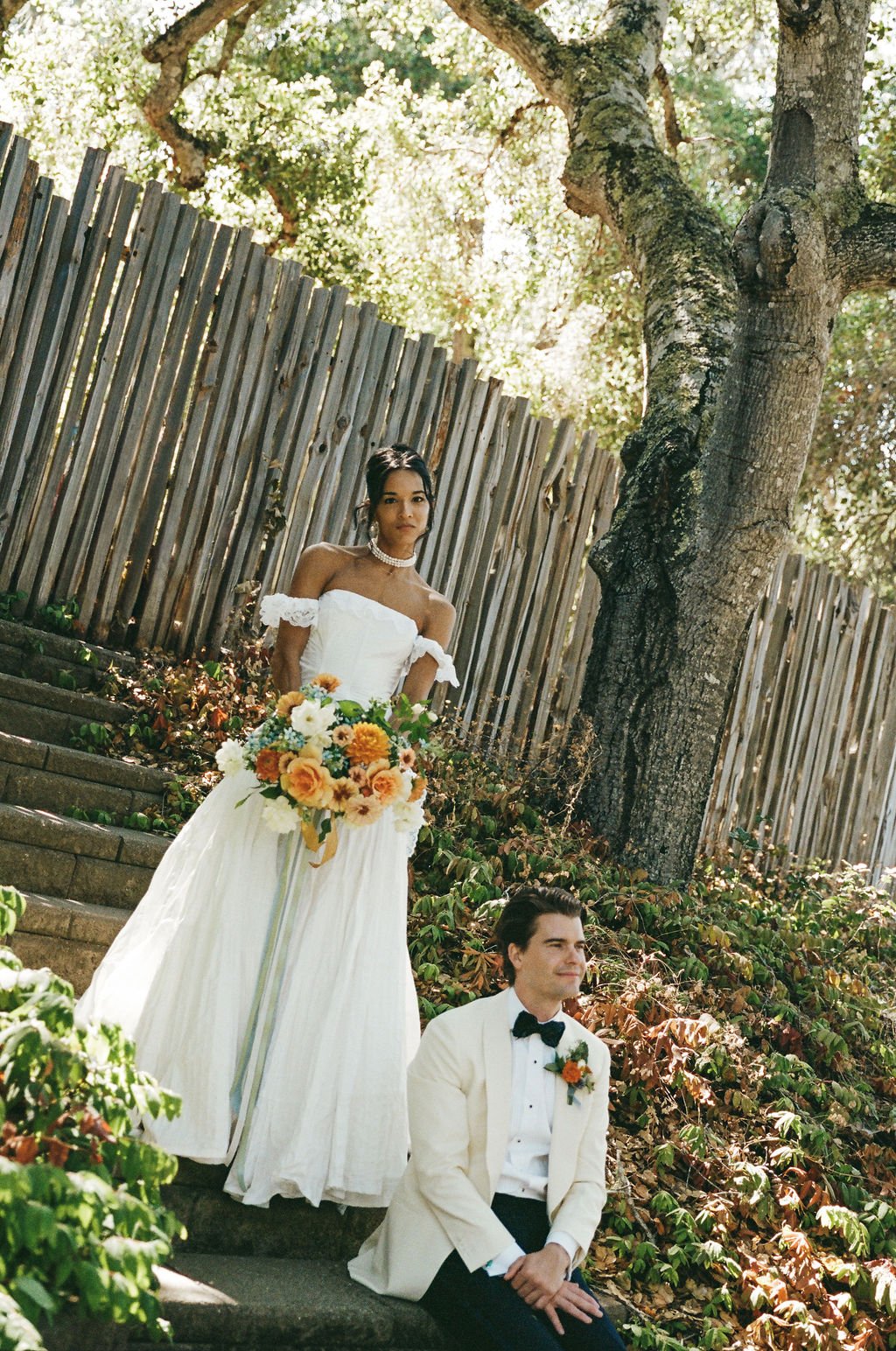
120 Film (Medium Format) 35mm Film
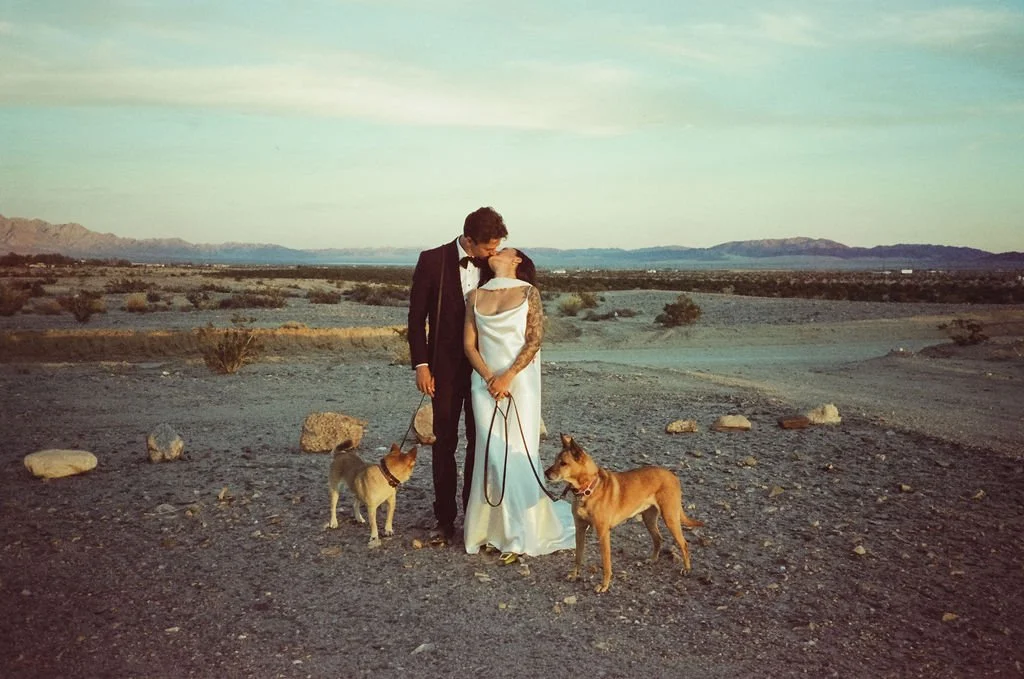
35mm
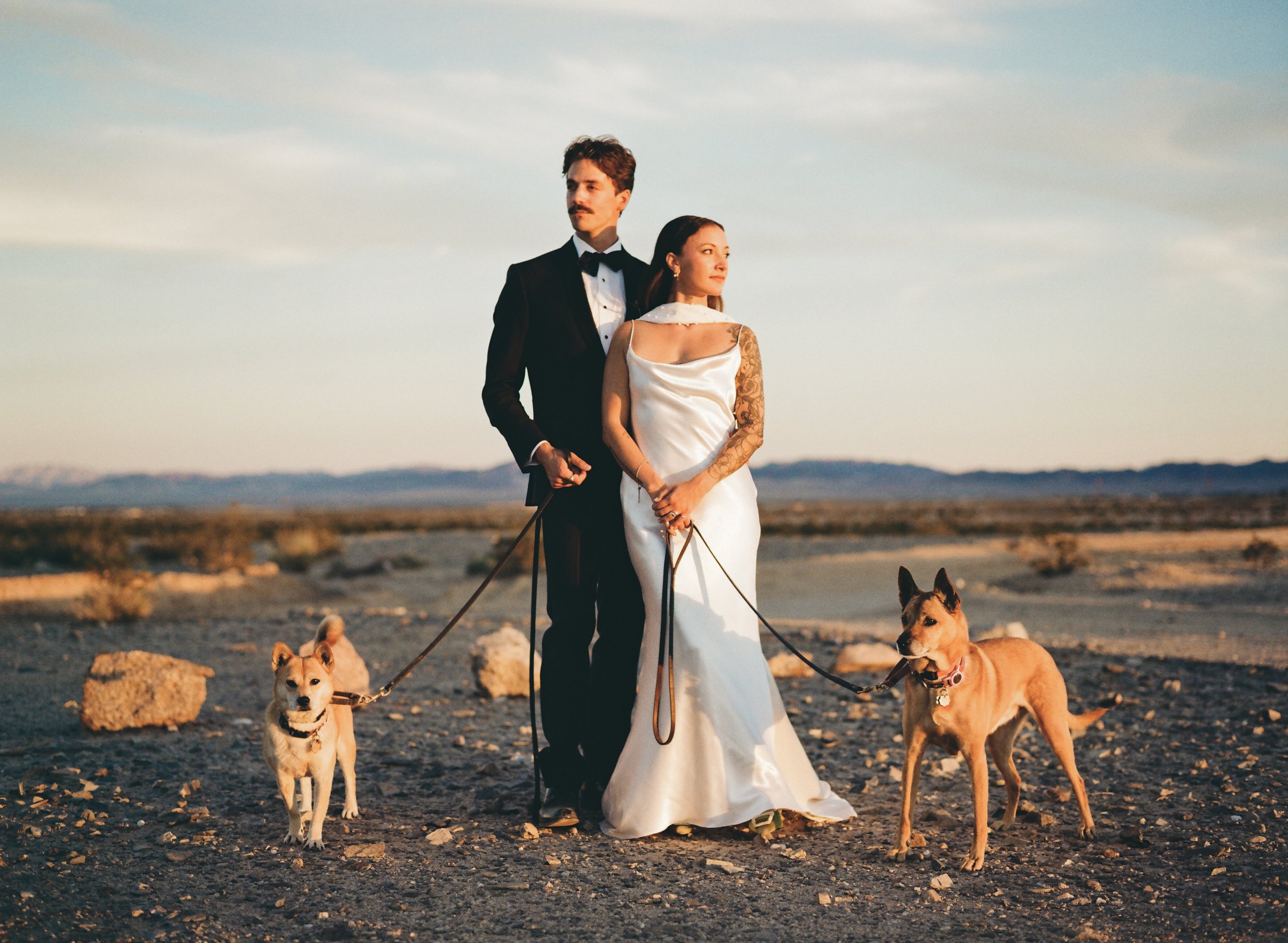
120 (Medium Format)
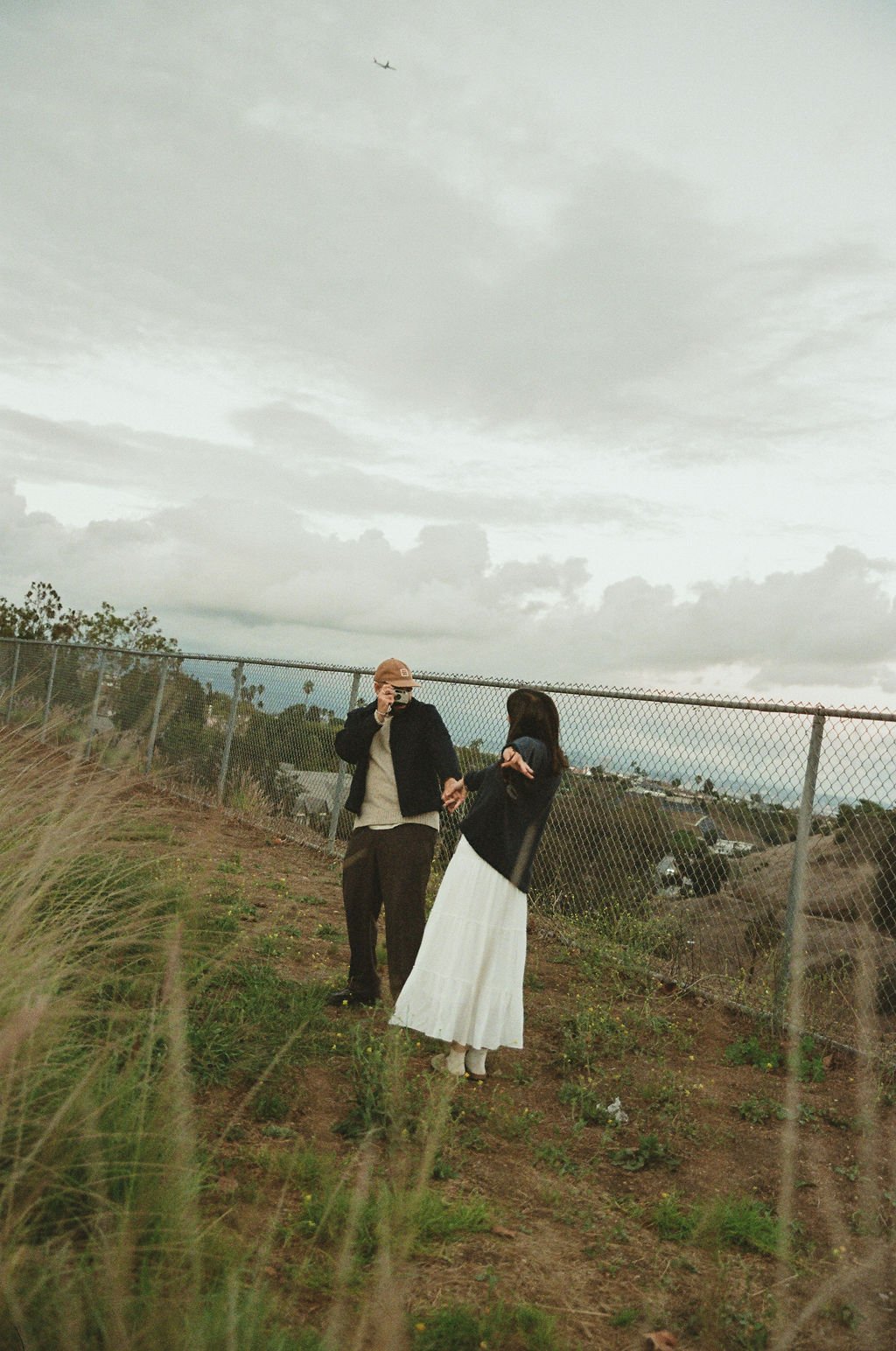
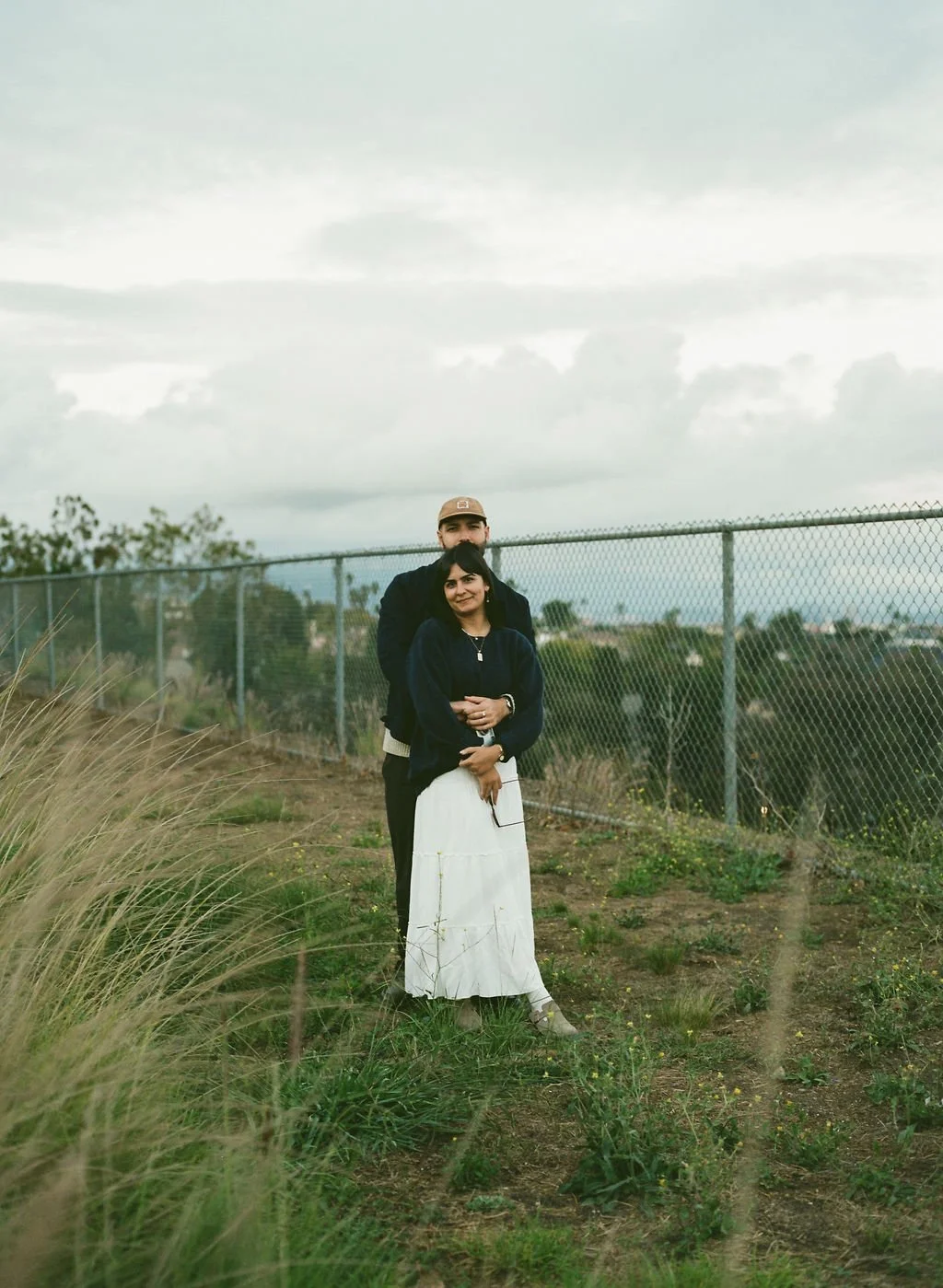
35mm 120 (Medium Format)
Why Couples Love Film
Abeera and Gev — whose engagement photos I had the absolute honor of shooting — chose to go fully film for their engagement and their upcoming wedding ( I can’t freakin wait!). And their reasoning says everything.
Abeera told me:
“We decided to opt for a fully film engagement shoot and wedding package! We love the intentionality that comes with shooting film (finding the truly special moments rather than capturing every little detail). Film feels so nostalgic and timeless at the same time. It makes each moment feel like there's a story attached to it.”
That word — intentionality — comes up again and again with film couples.
When I photographed them, nothing felt rushed. We weren’t spraying and praying. We were waiting for the right laugh, the real touch, the in-between. Film forces you to look harder and feel deeper. It’s about choosing the moment instead of hoarding them.
Gev put it this way:
“Film is organic, it creates a moment that you miss even if you weren't a part of it. I think a lot of what we see is too perfect, smooth angles, carefully placed subjects and an almost gross perfection that takes away the whimsy. I like rough edges, a little bit of blur, maybe a bit too much grain, why? Because the photo looks lived in, it looks real. Also literally Al be f*cking with our perception of good photos with its over produced hyper realism slop, give me messy and give me real and I think film does a good job of capturing it”
And honestly? That’s the heartbeat of it.
We’re surrounded by hyper-polished, over-produced imagery that can start to distort what we think is “good.” Everything ultra-sharp. Ultra-smooth. Almost sterile.
Film resists that.
It keeps the texture.
It lets grain exist.
It embraces movement.
It preserves the humanity of the moment.
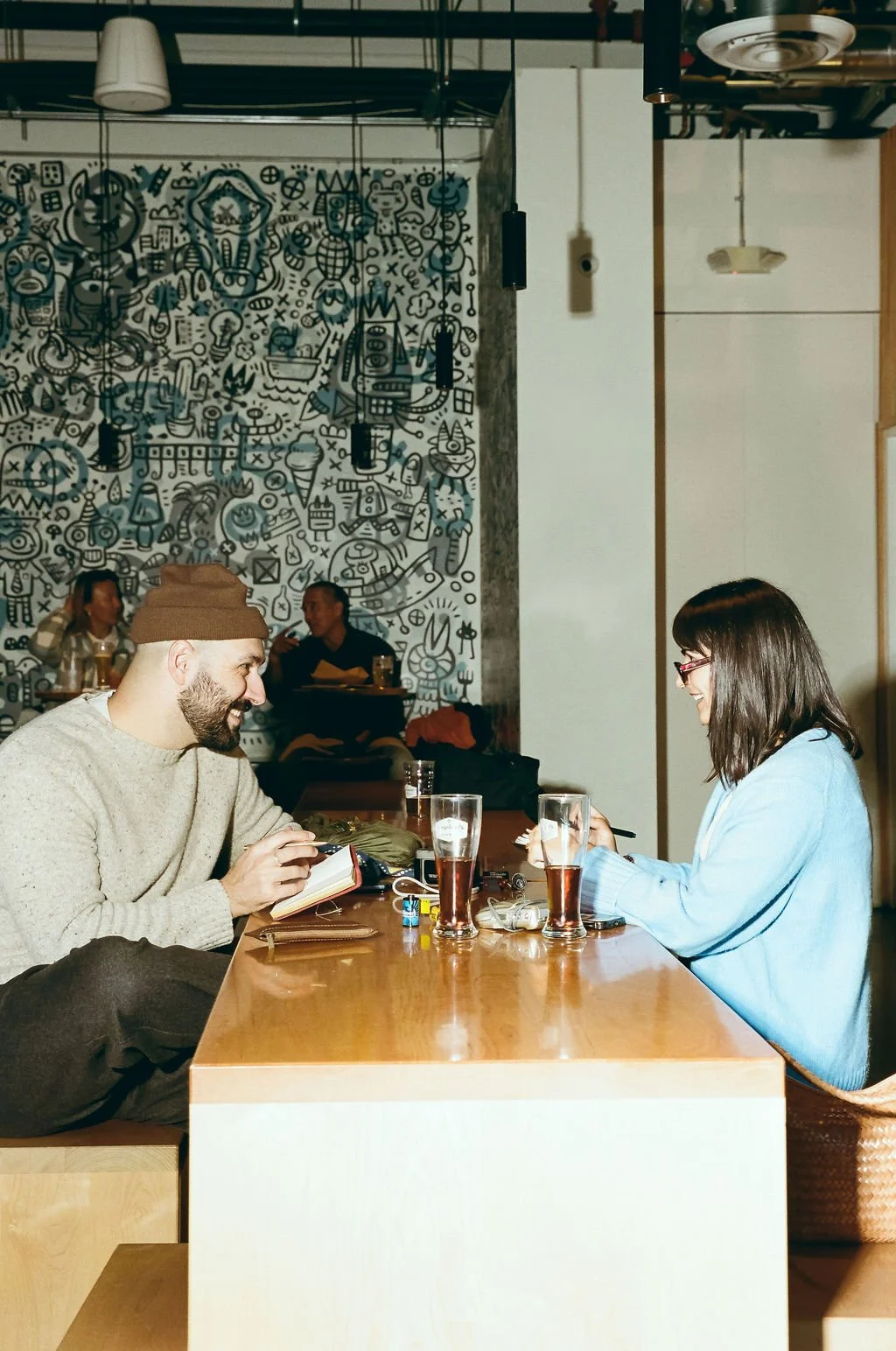
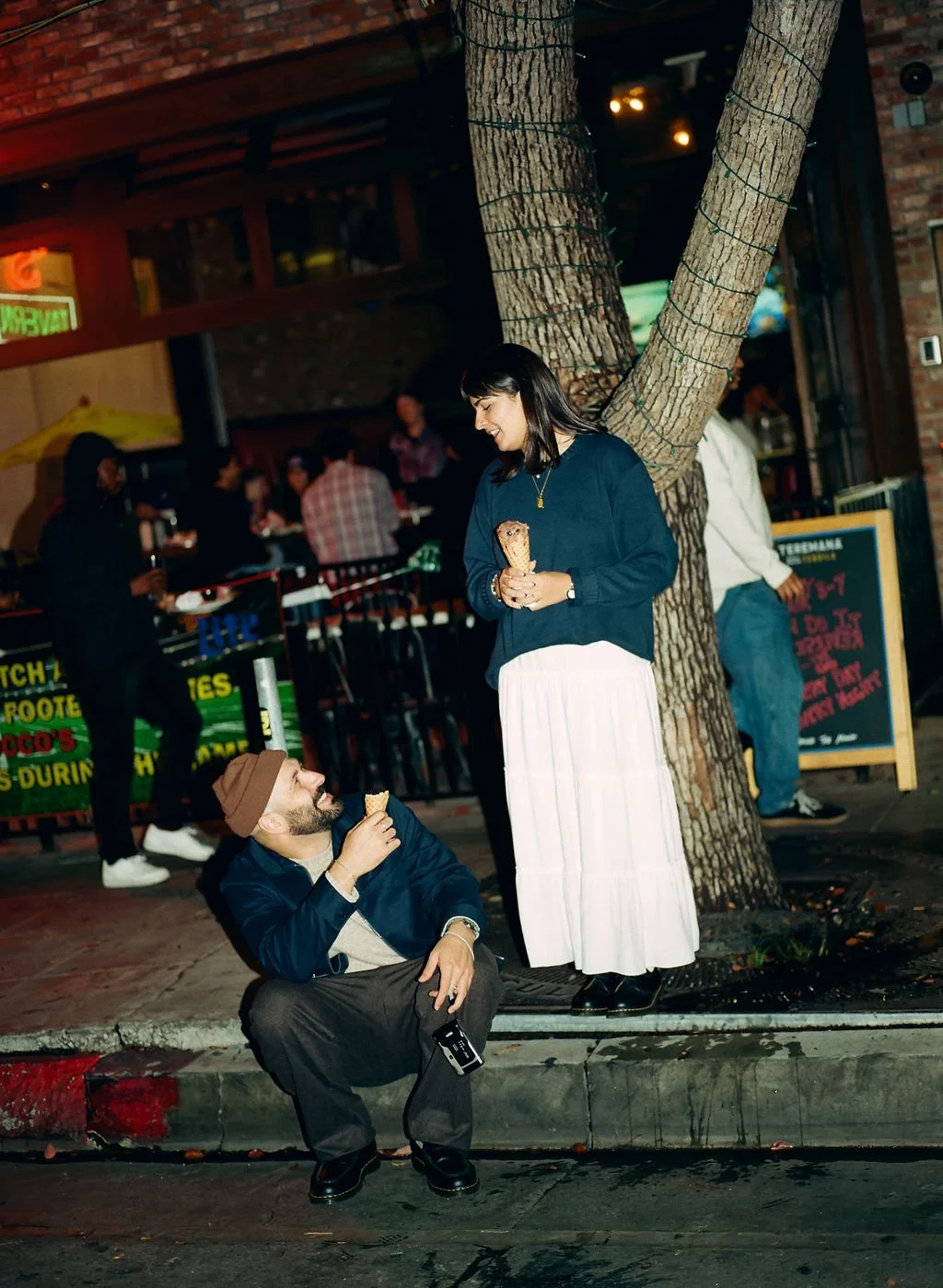
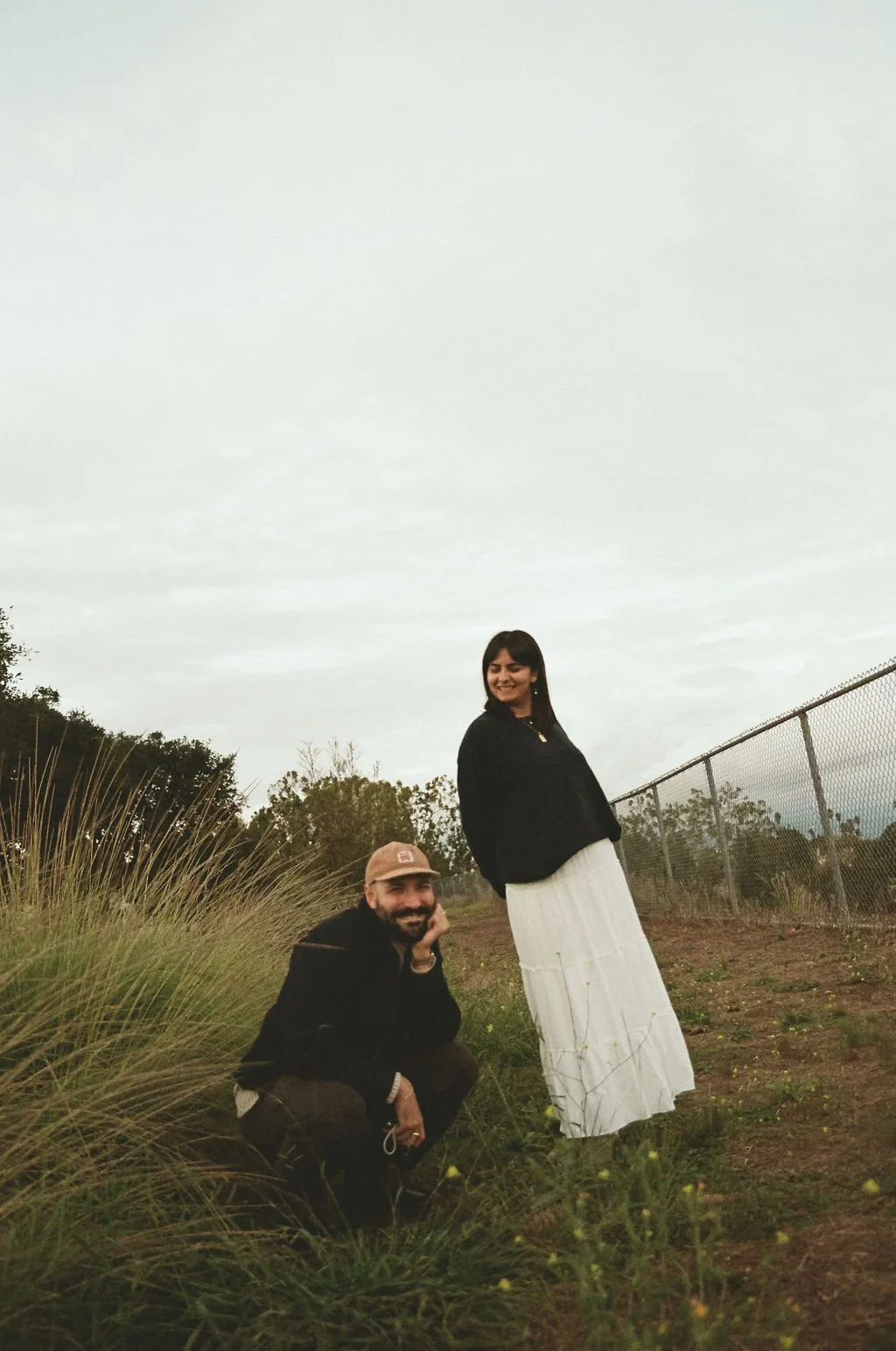
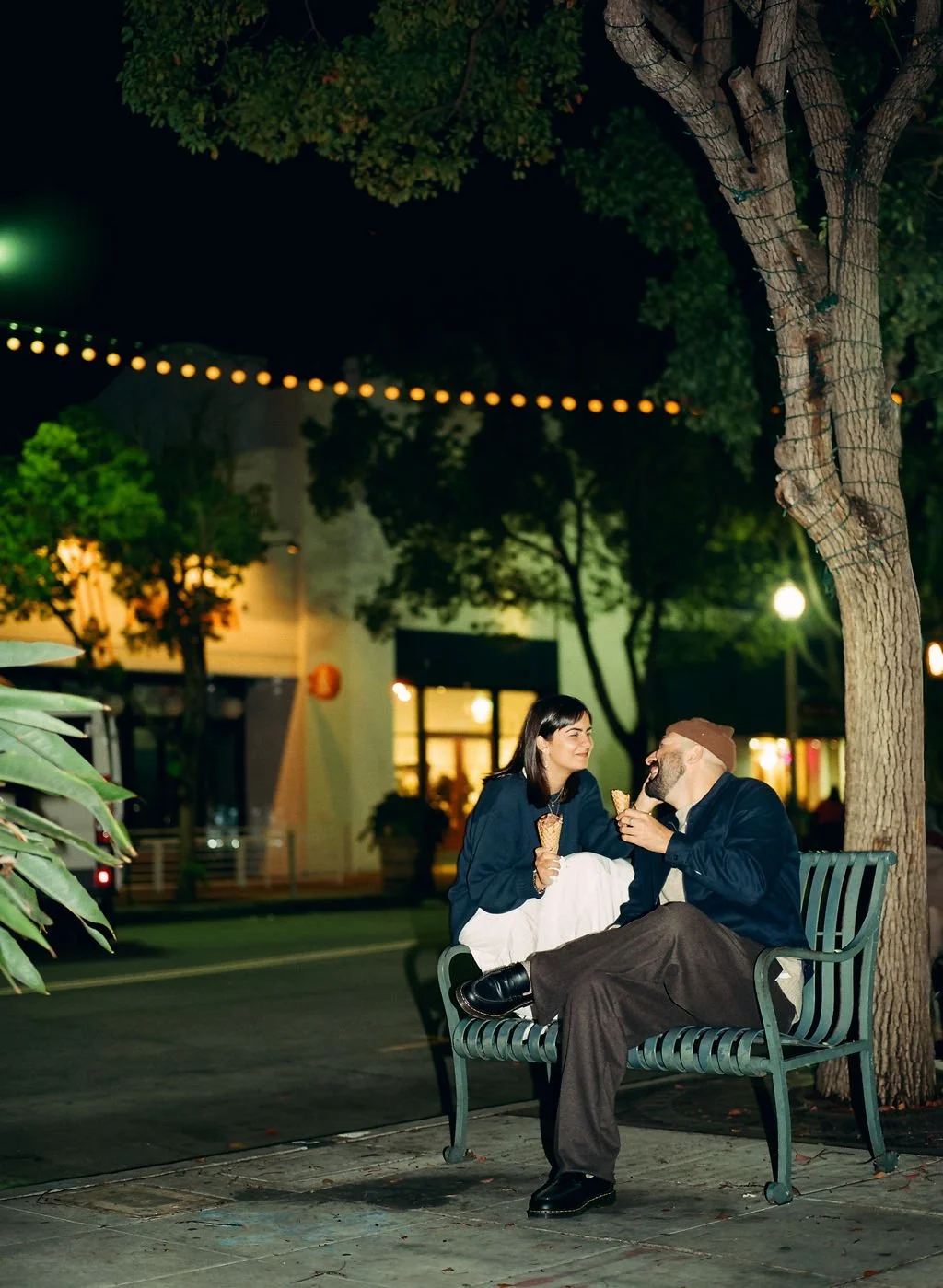
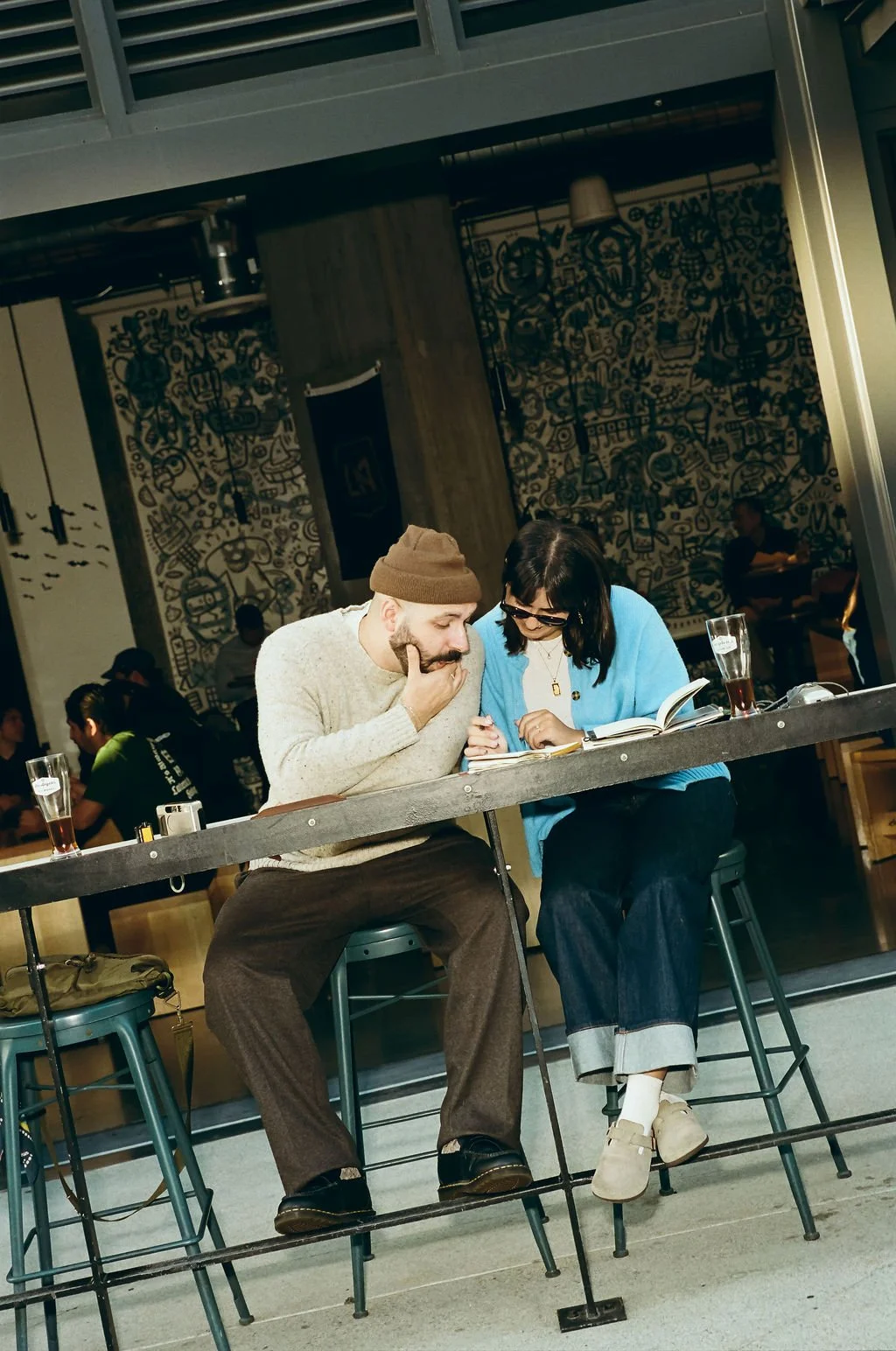
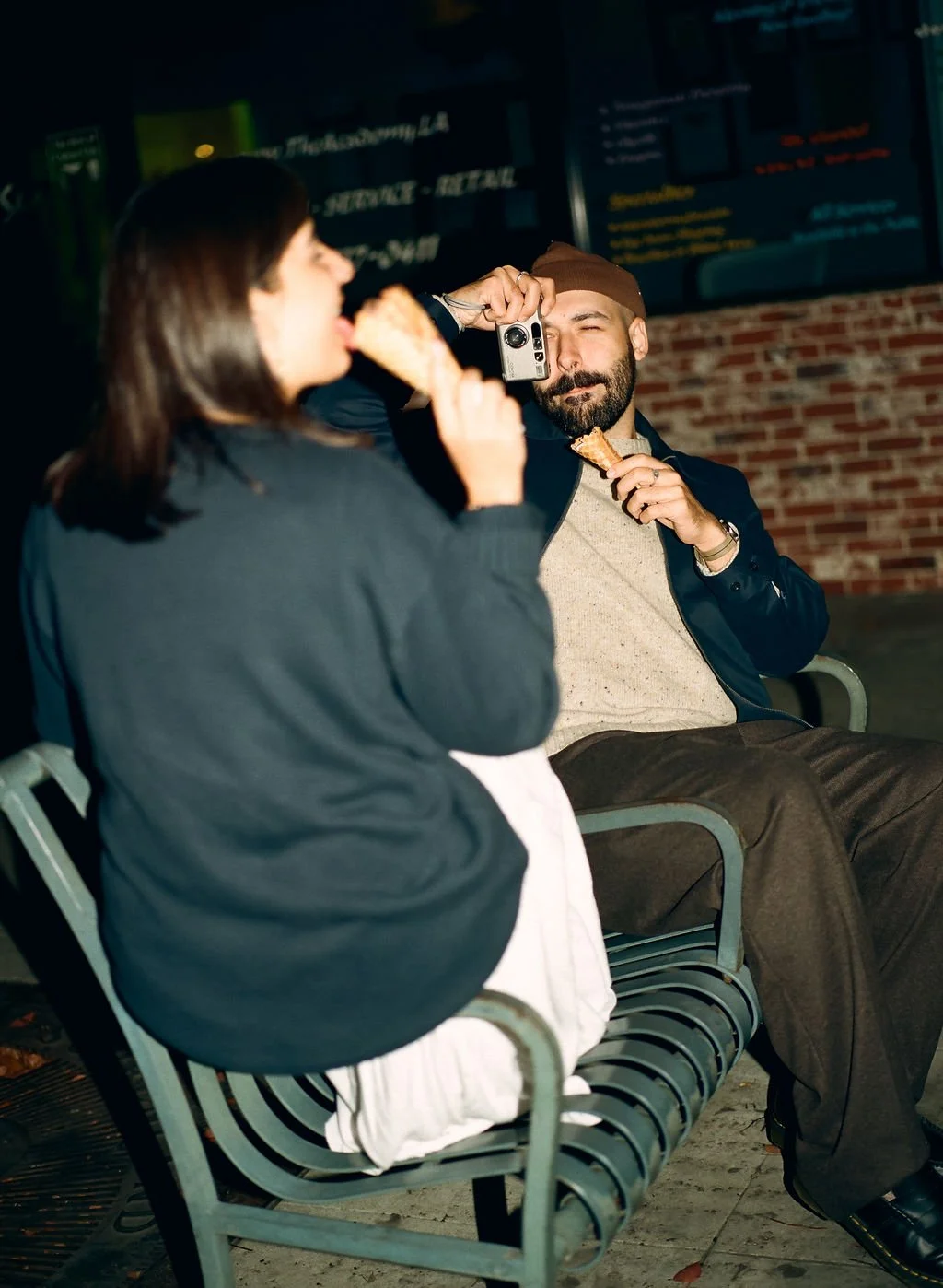
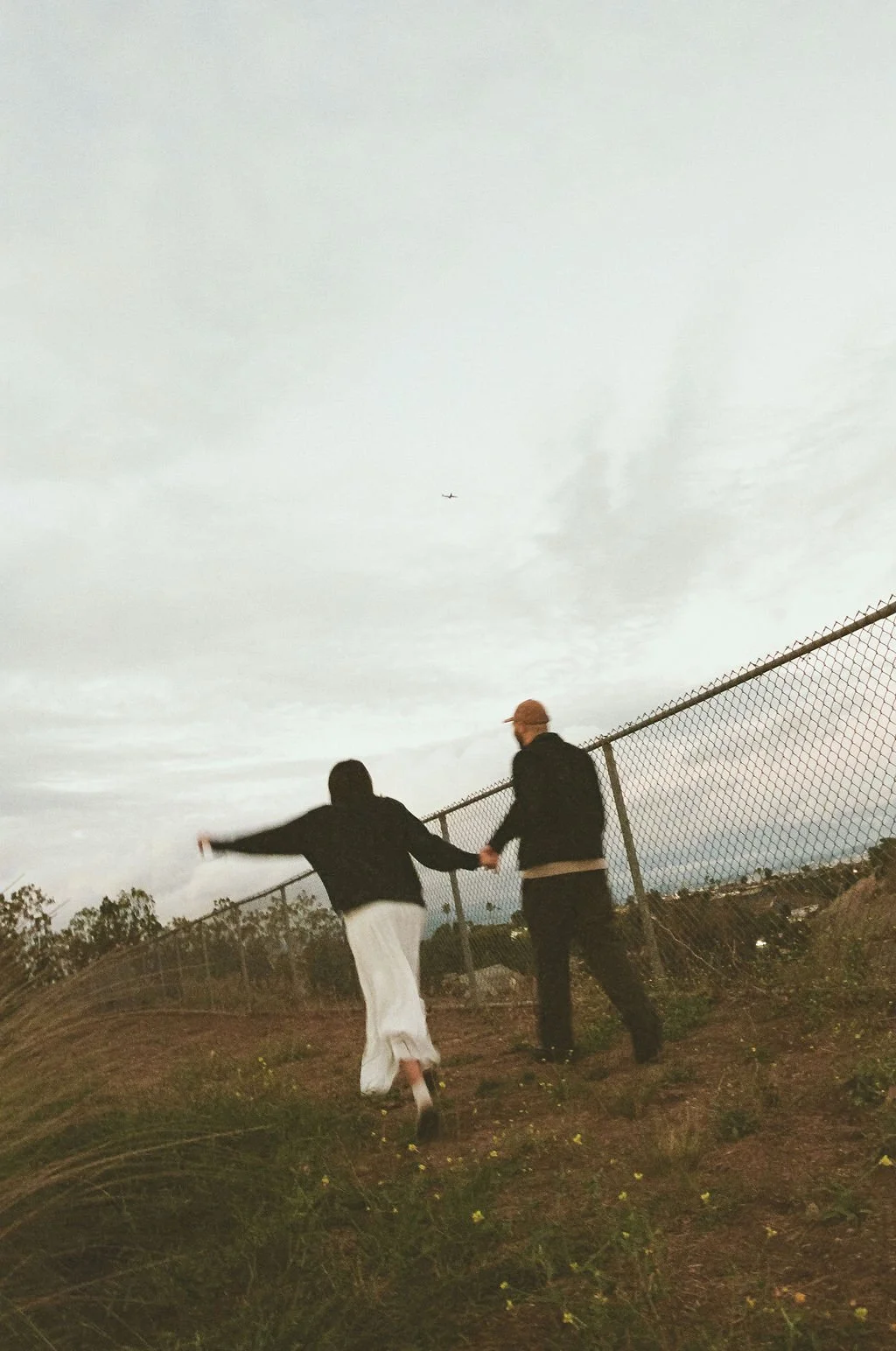
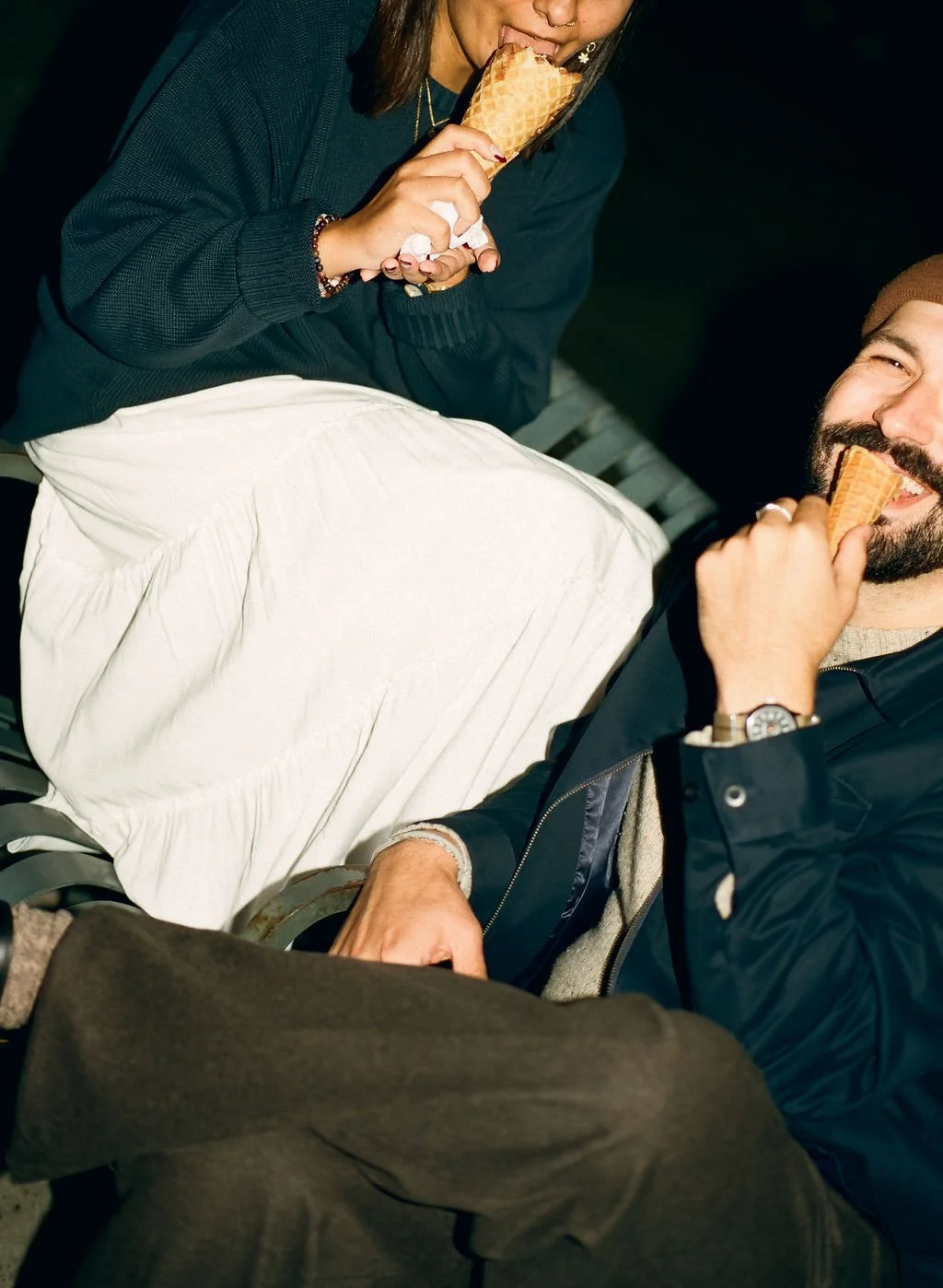
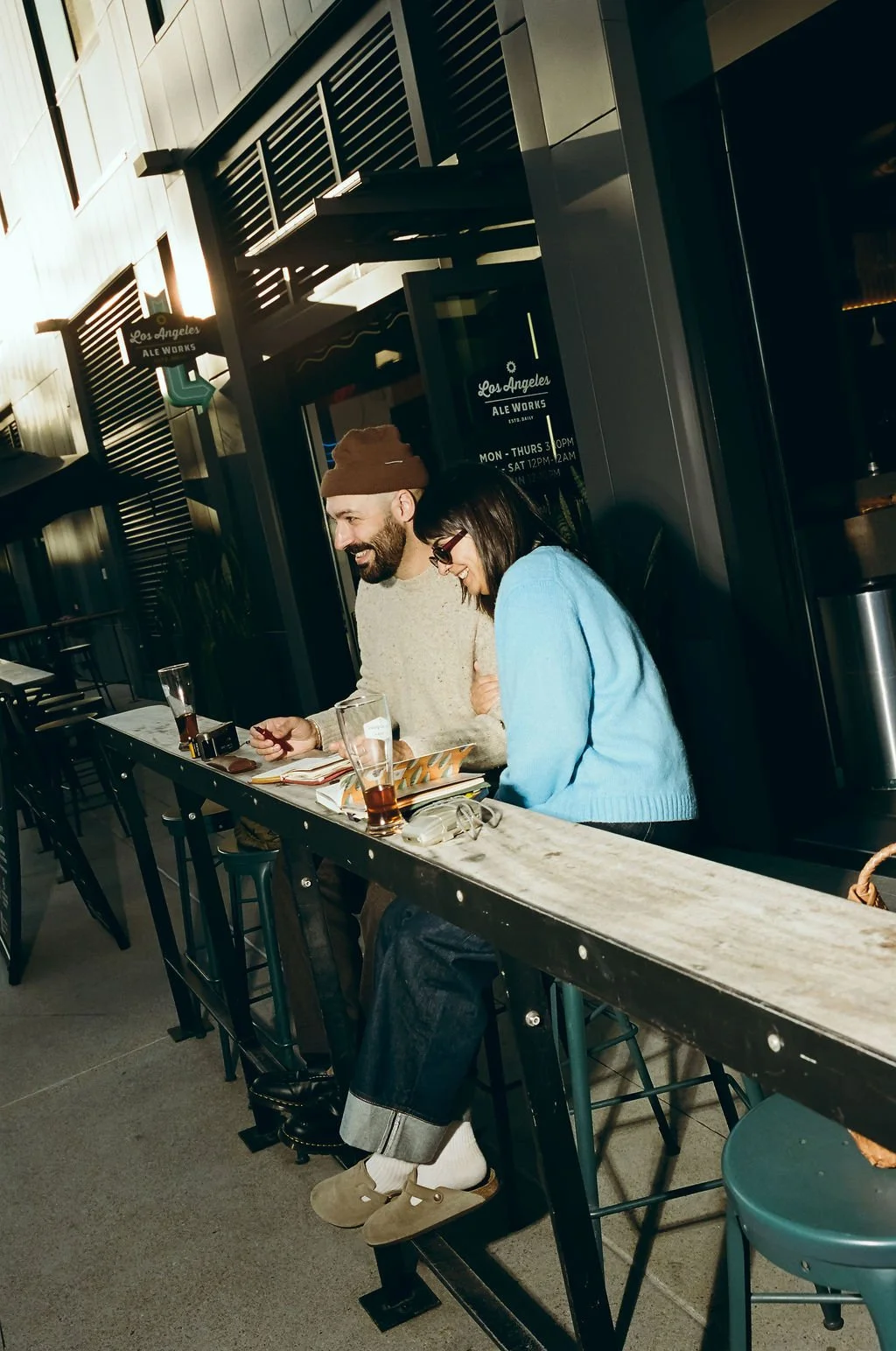
A few of my favs from Abeera and Gev’s engagement shoot.
Abeera and Gev didn’t want perfect. They wanted honest. They wanted photos that would feel like memory — not a performance.
That’s why couples love film.
It’s nostalgic and timeless at the same time.
It’s trendy, sure — but it’s also rooted in history.
It’s imperfect — but it’s epic.
And when it’s your wedding day, sometimes the most beautiful thing you can choose is something that keeps it real. And that’s exactly it. When you shoot film, you’re not firing off 50 frames a minute. You’re waiting. Watching. Anticipating. Every click costs something. Every frame matters.
That doesn’t mean you’ll miss moments — it means the moments that do make it to your gallery were chosen with care. It’s slower. More thoughtful. More connected.
Is Film Right for Your Wedding?
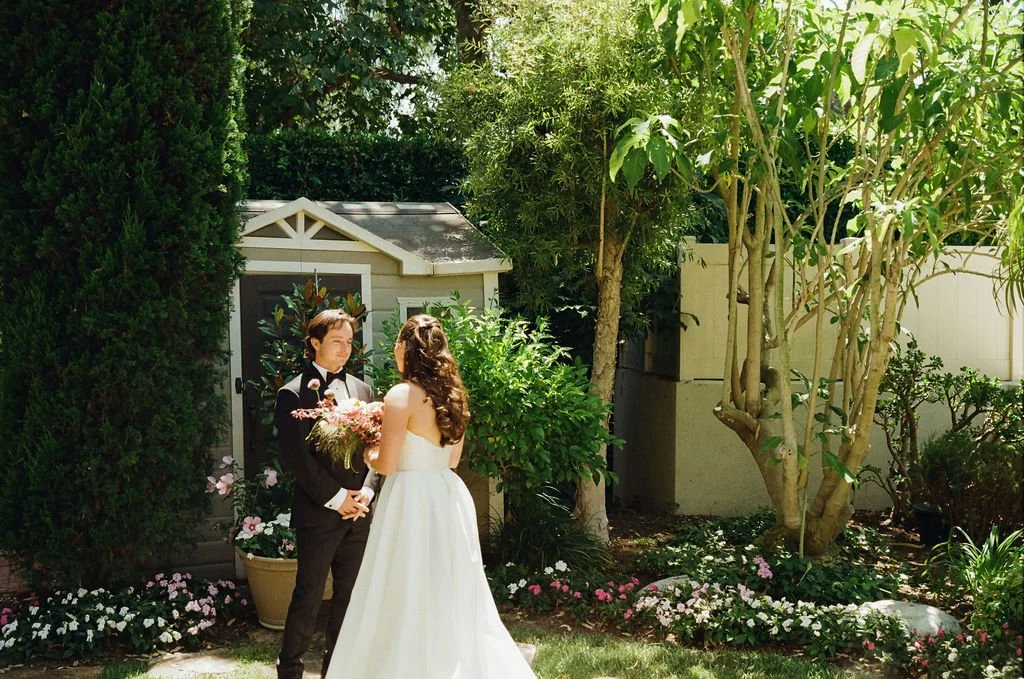
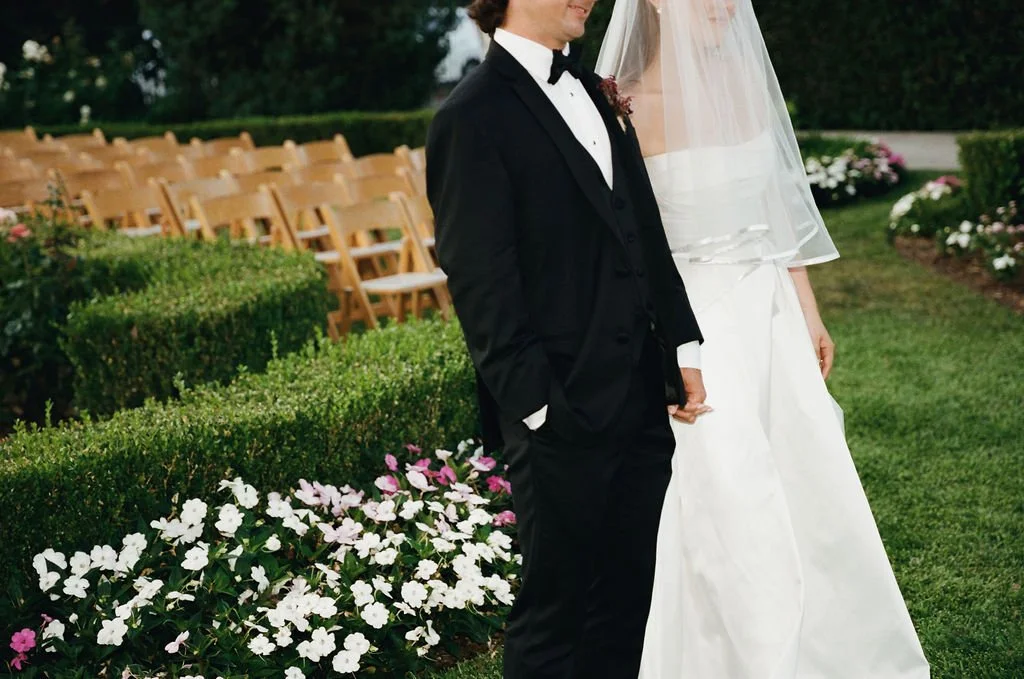
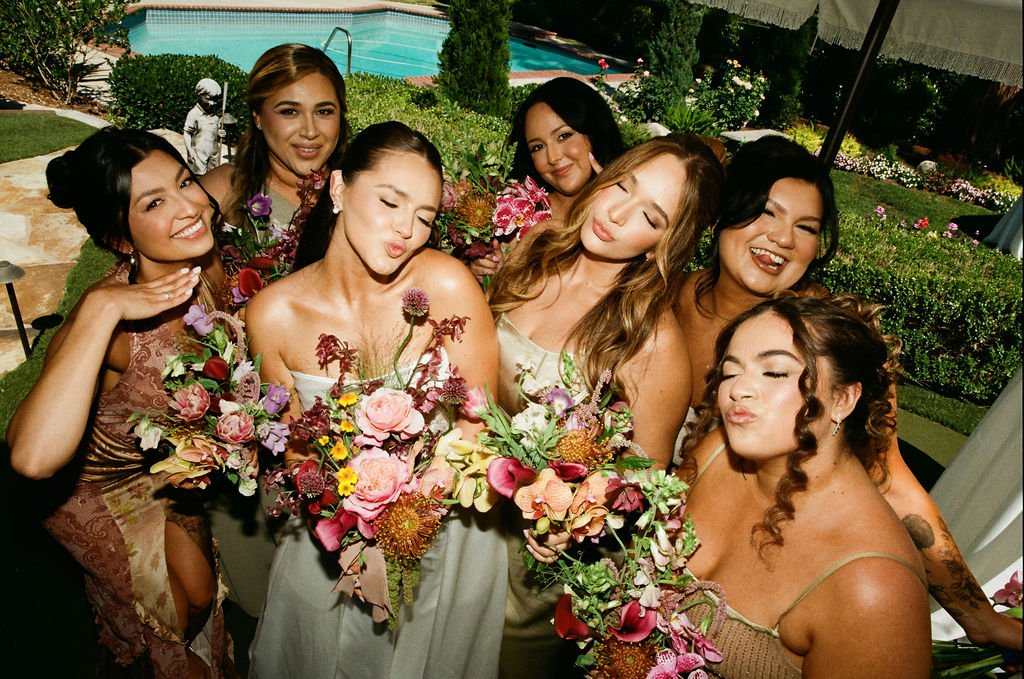
You should get a film photographer if:
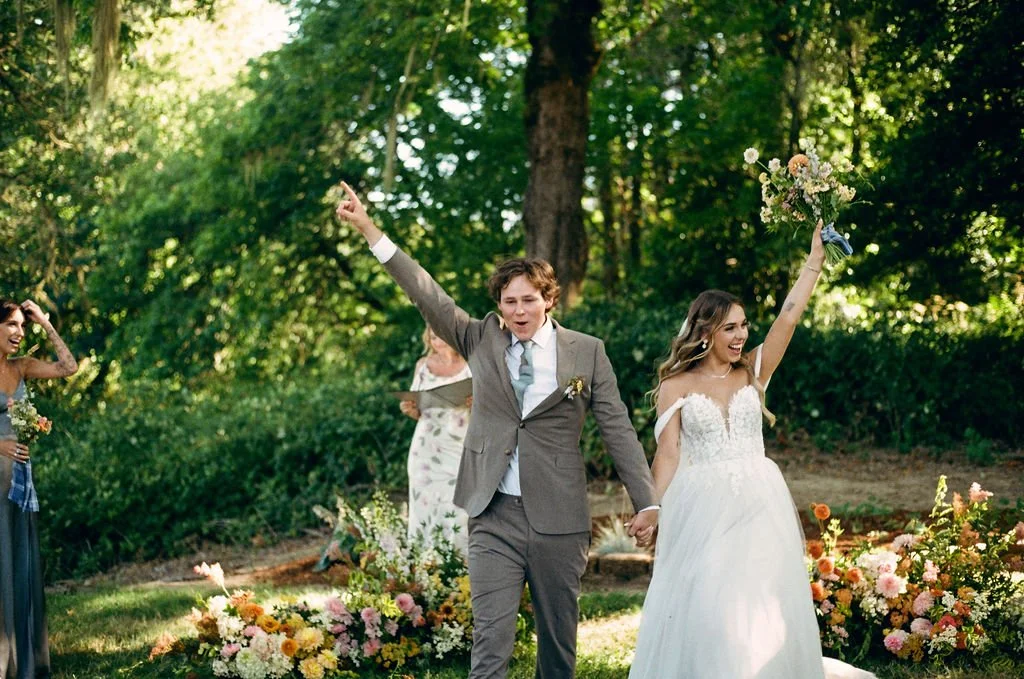
You care about emotion over perfection.
You love texture, grain, and real color.
You want your photos to age well.
You don’t need 2,000 hyper-identical images.
You trust your photographer’s eye.
You want your wedding to feel like a story — not a production.
You want your photos to feel like heirlooms
You want skin tones that look like skin tones
You want light that feels soft and dimensional
You don’t want images that scream “2026 editing trend”
You want something that feels artistic but not try-hard
You want a little grit. A little romance. A little chaos.
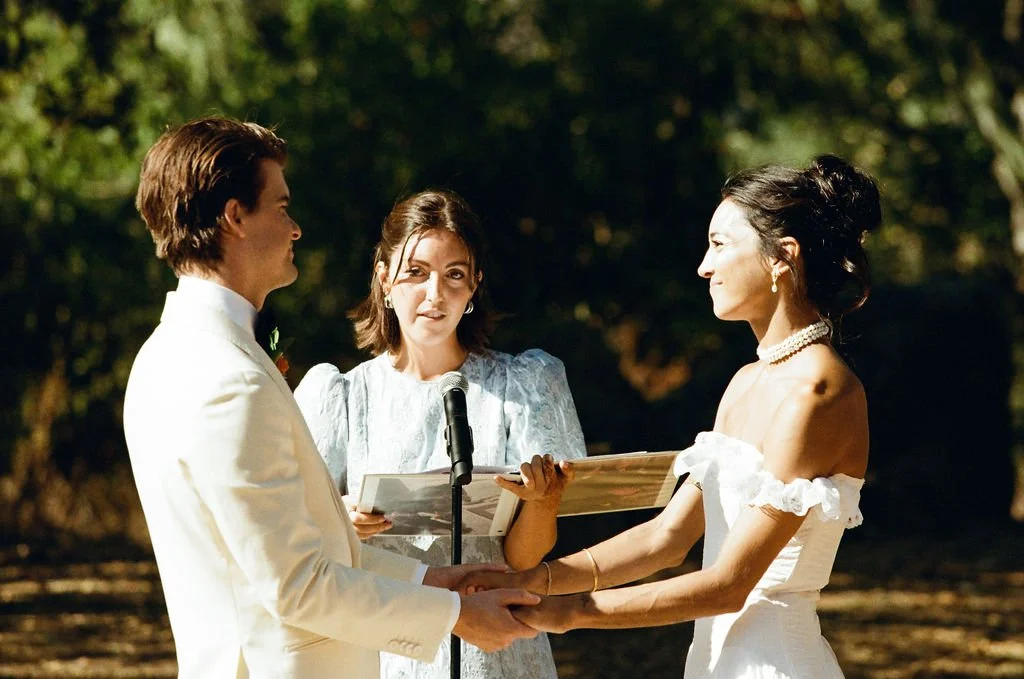
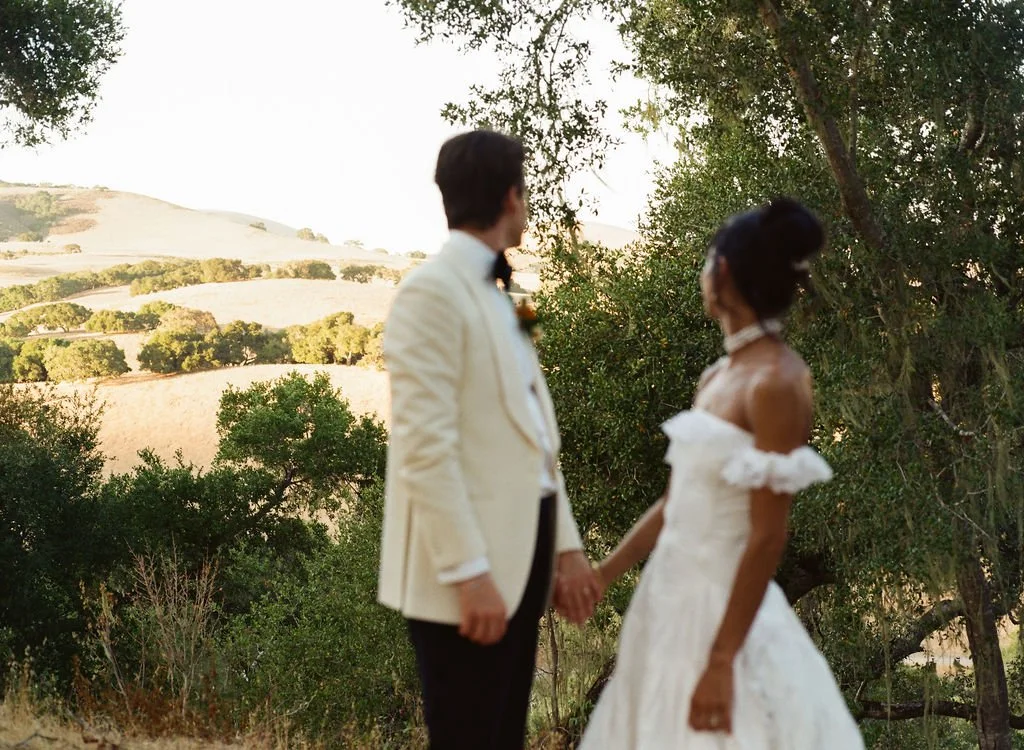
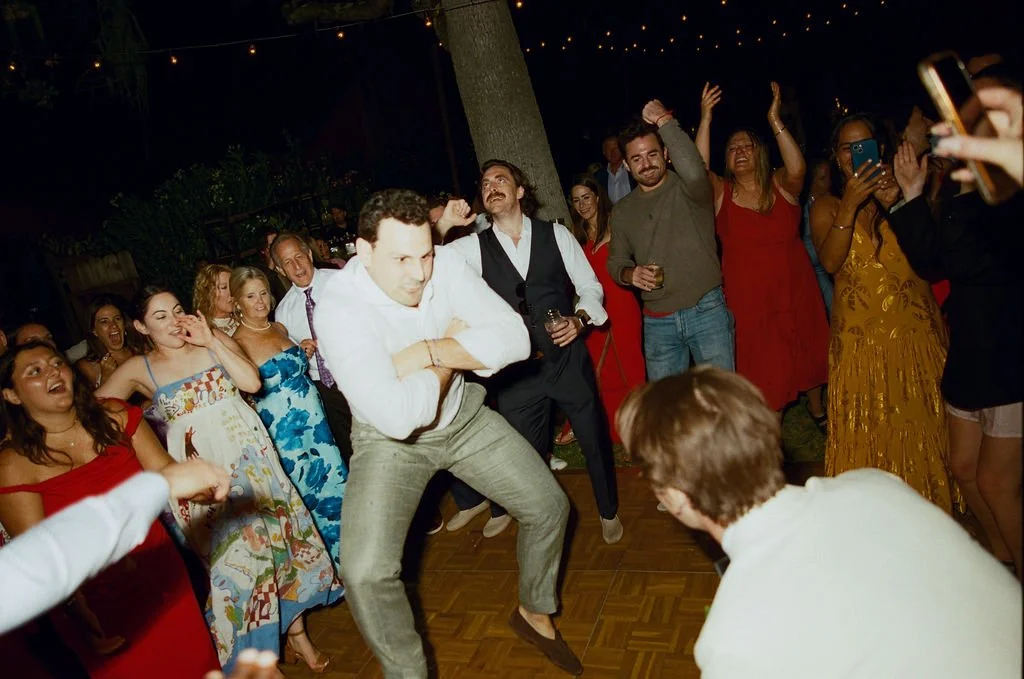
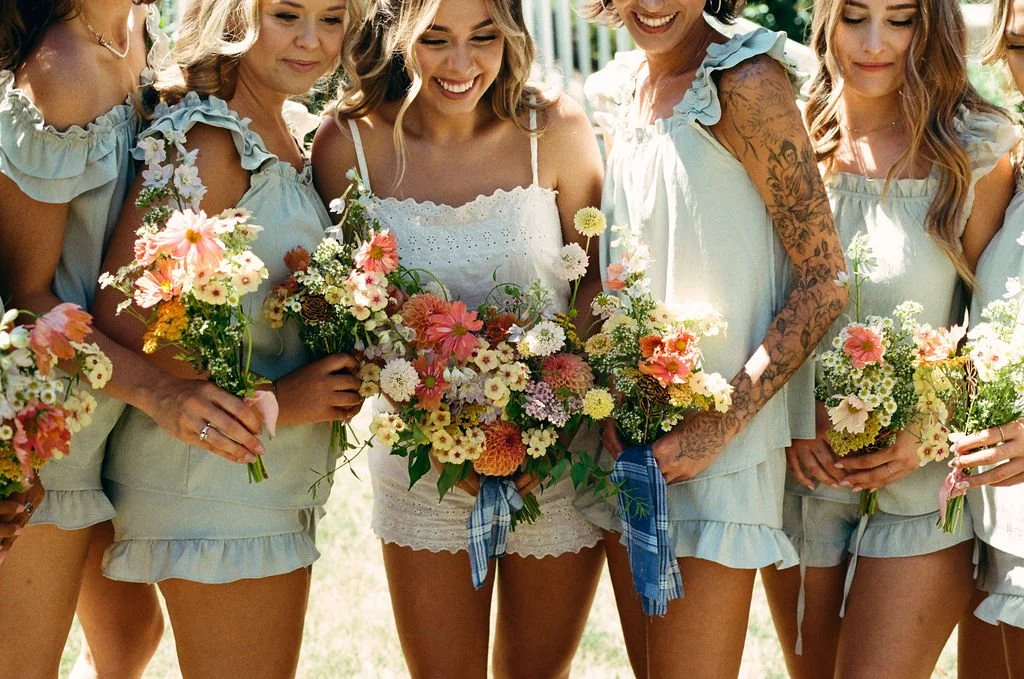
The Real Question
When you’re 30 years into marriage and pulling out your wedding album, what do you want to feel?
Do you want to see a perfectly lit version of yourselves?
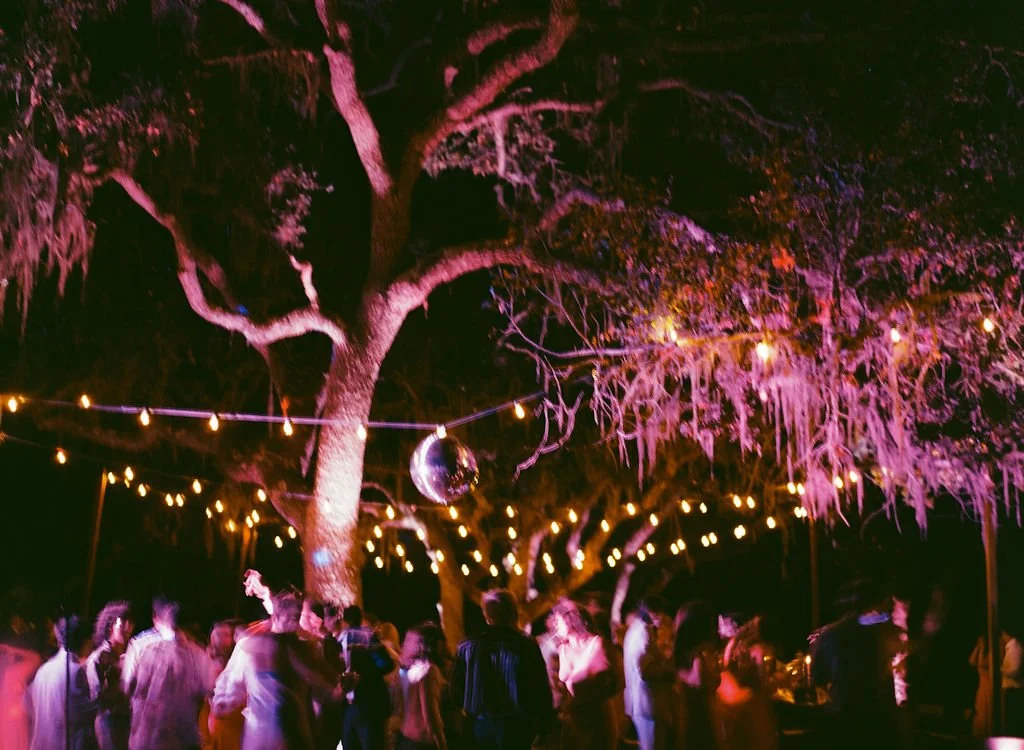
Or do you want to feel the air that day? The warmth in your chest. The blur of your best friend spinning you on the dance floor. The way the light hit your partner’s face when they saw you for the first time.
Film preserves history.
It preserves imperfection.
It preserves you — as you were.
And in a world obsessed with smoothing everything out, sometimes the bravest choice is choosing something that keeps it f*cking real.
So, should you get a film photographer for your wedding?
If you want timelessness.
If you want intentionality.
If you care more about feeling over “perfection.”
Yeah. You probably should.
If you’re dreaming about your whole wedding documented on film — slow mornings, golden light, grainy dance floor chaos, all of it — let’s chat about my full film package and how I can make that dream come true.
